

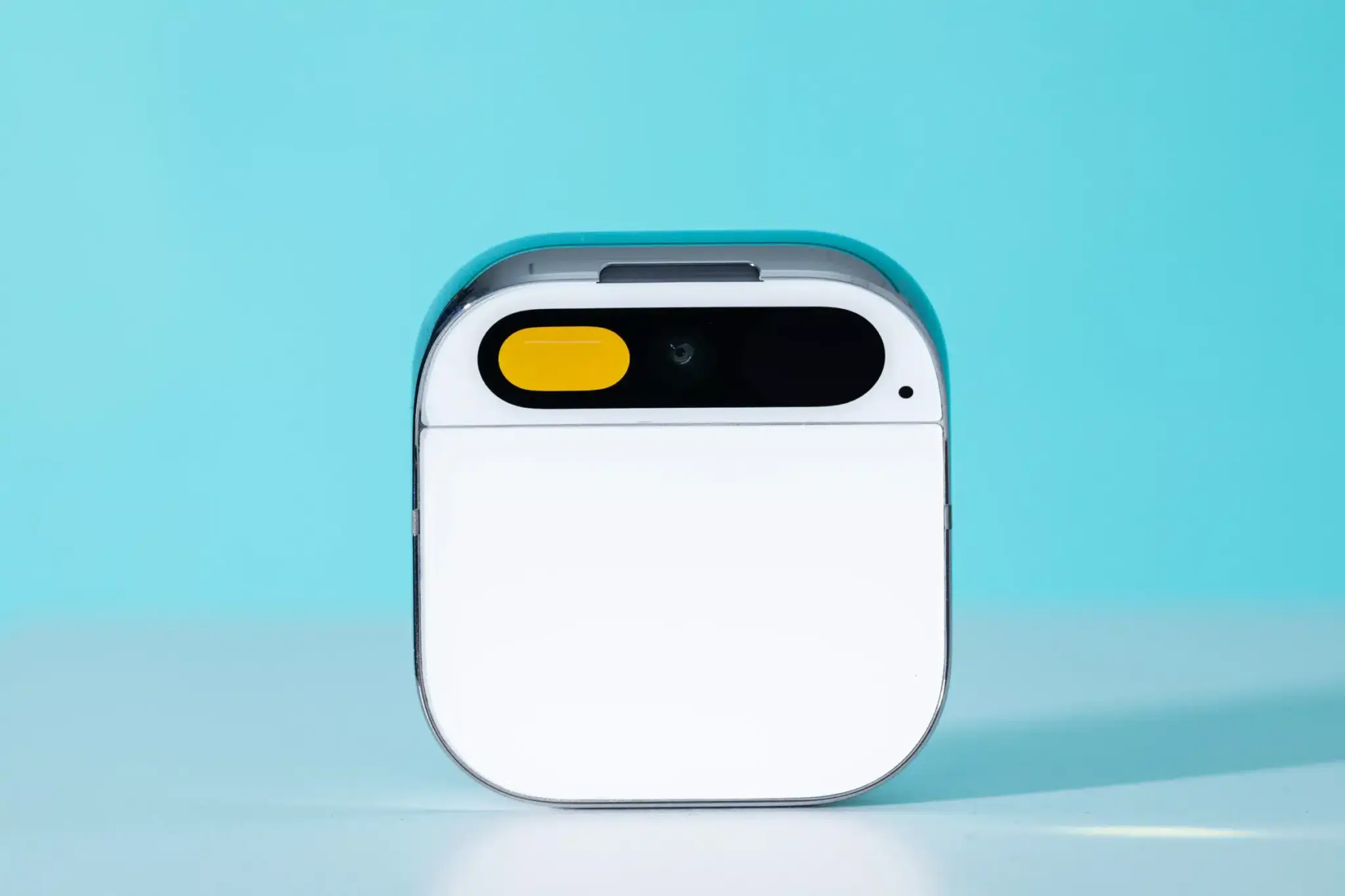
HP’s recent acquisition of Humane, the company behind the AI Pin, generates significant fallout. The move draws sharp criticism from analysts and investors. Concerns center on the strategic fit and financial implications of the deal. HP, traditionally a PC and printer company, now moves into the nascent, and potentially risky, AI wearable market.
Humane’s AI Pin, while generating initial buzz, faces tough reviews. Users cite issues with accuracy, battery life, and overall usability. HP’s decision to acquire a company with a product still in its early stages of development raises questions about due diligence. HP’s stock price reflects investor anxiety. Shares experience a noticeable decline following the acquisition announcement.
Financial analysts point to the potential for significant research and development costs. HP must invest heavily to refine the AI Pin and make it a viable product. The company’s existing resources may become strained. HP’s core business of PCs and printers remains under pressure. The addition of a high-risk venture adds further complexity.
HP’s leadership defends the acquisition. They cite the potential for AI wearable technology to disrupt the personal computing market. HP aims to integrate Humane’s AI capabilities into its existing product lines. HP’s plan includes using AI to enhance user experiences across its portfolio.
Internal documents reveal HP’s belief in the long-term potential of AI wearables. HP sees a future where AI-powered devices become integral to daily life. The company intends to leverage its manufacturing and distribution capabilities to scale Humane’s technology.
Industry experts express skepticism. They question whether HP possesses the expertise to succeed in the AI wearables market. HP’s historical focus on hardware contrasts with the software-driven nature of AI. Competitors, with established AI capabilities, exist.
The acquisition also raises concerns about potential conflicts of interest. HP’s partnerships with other technology companies may face scrutiny. These companies might view HP’s move into the AI wearable space as competitive.
Public records indicate that Humane struggled to secure additional funding before the acquisition. The company’s financial situation played a role in HP’s decision. HP acquired Humane at a price considered by some to be relatively low. This acquisition price suggests a company that needed to be acquired.
Consumer feedback on the AI Pin remains mixed. Early adopters express frustration with the device’s performance. Software updates address some issues. However, fundamental hardware limitations remain.
HP’s challenge involves balancing the need for rapid development with the need to address existing product flaws. The company must demonstrate tangible progress to regain investor confidence. HP’s future success depends on its ability to execute its AI wearables strategy.
HP’s move places them in a competitive area with other major tech companies. These companies have spent significant amounts of money on AI development. HP now needs to catch up.
The acquisition forces HP to change its image. Previously, HP was known as a hardware company. Now, HP wants to be known as an AI company. This change of image takes time.
The company must also address the ethical concerns surrounding AI wearables. Privacy and data security remain paramount. HP’s policies must reassure consumers.
The integration process between HP and Humane faces challenges. Company cultures often clash during acquisitions. HP must manage this process carefully.
HP’s decision to acquire Humane represents a significant gamble. The company’s future performance will determine whether the gamble pays off. The next few quarters will provide critical insights into HP’s AI wearables strategy.