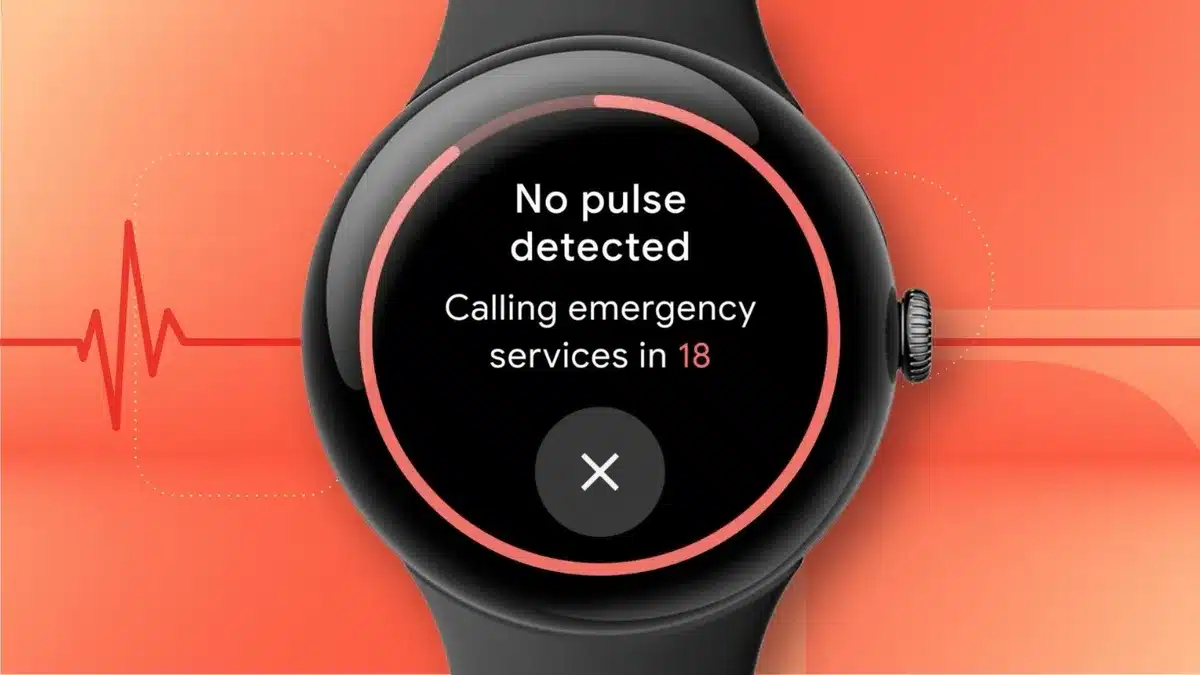
Google receives FDA clearance for a software feature that detects irregular heart rhythms. The technology operates within the Google Pixel phone. It monitors changes in blood flow. This allows the device to identify potential signs of atrial fibrillation (AFib). The FDA’s decision marks a significant step in consumer health technology.
The software uses the phone’s camera and flash. Users place a finger on the rear camera. The application analyzes subtle changes in skin color. These changes correlate with blood volume. The system then interprets the data. It identifies irregular pulse patterns. The feature functions as a passive monitoring tool. Users do not need additional hardware.
The FDA clearance classifies the feature as a software as a medical device (SaMD). This classification signifies the software meets safety and effectiveness standards. The approval follows clinical studies. These studies evaluated the technology’s accuracy. Data from the studies showed the system accurately detected AFib.
Google developed the feature over several years. The company conducted research to refine the algorithm. The algorithm learns to distinguish between normal and irregular heart rhythms. The technology builds upon existing research in photoplethysmography (PPG). PPG uses light to measure blood volume changes. Google’s adaptation makes PPG accessible on a smartphone.
The feature will be available on select Pixel phones. Google plans to expand availability to other devices. The company emphasizes the feature does not replace traditional medical devices. It serves as a screening tool. Users with irregular readings should consult a doctor.
The FDA clearance addresses concerns about the accuracy of consumer health technology. Studies confirm the system’s ability to identify AFib. The software provides a convenient way to monitor heart health. This is particularly useful for individuals at risk of AFib.
AFib is a common heart rhythm disorder. It increases the risk of stroke and other complications. Early detection is crucial. The Google feature allows users to monitor their heart rhythm at any time. This accessibility could lead to earlier diagnosis.
The technology’s clearance reflects a trend toward digital health solutions. The FDA is increasingly approving software-based medical devices. These devices provide accessible health monitoring. They empower individuals to take control of their health.
Google’s feature does not provide a diagnosis. It flags potential issues. The user must seek medical assessment for a definitive diagnosis. The company provides clear disclaimers within the application. These disclaimers highlight the limitations of the technology.
The clearance comes after Google submitted detailed data to the FDA. The submission included results from clinical trials. The trials tested the software on a diverse population. The data demonstrated the system’s performance across various skin tones and age groups.
The feature stores user data securely. Google adheres to privacy regulations. Data is not shared without user consent. The company implements security measures to protect user information.
The FDA’s decision validates the potential of smartphone-based health monitoring. This technology can improve access to healthcare. It can also promote preventive care. Google intends to continue research and development in this area. The company aims to expand the capabilities of its health monitoring tools.
The approval represents a milestone for digital health. It shows how technology can contribute to public health. The availability of such features on smartphones makes health monitoring more accessible. This is especially true for people in underserved communities.
The medical community shows interest in these types of tools. Doctors believe it can help with early detection. They also note that it can help patients take a more active role in their own health. The medical community stresses that a doctor must confirm any readings.