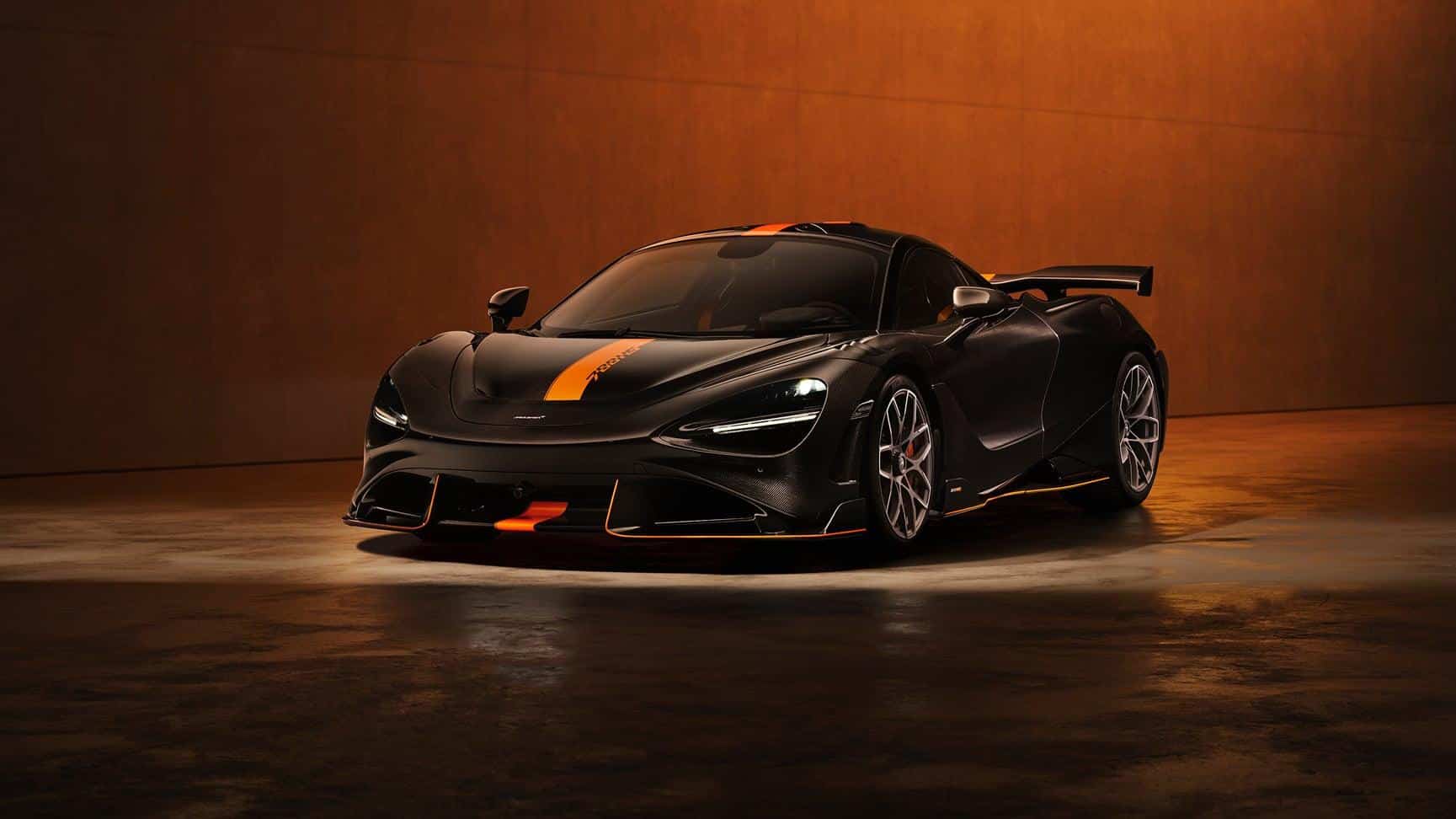
McLaren Automotive announced the global debut of the McLaren 788HS, a high-performance supercar that serves as the final celebration of the mid-engine V8 platform. The British car manufacturer will limit production to just 200 units worldwide, split evenly between 100 Coupes and 100 Spider convertibles. The new vehicle represents the final evolution of the supercar architecture that started with the 720S in 2017 and progressed through the 765LT and 750S models. Carrying the rare “High Sport” designation, the vehicle incorporates Formula 1 design principles to achieve the highest power-to-weight ratio in the history of this specific model series.
Key Takeaways
- Global production is strictly capped at 200 units, consisting of 100 Coupes and 100 Spiders.
- The 4.0-litre twin-turbo V8 engine produces 788PS (777 horsepower) and 800Nm of torque.
- The vehicle achieves a dry weight of 1,265 kilograms, resulting in a ratio of 623PS per tonne.
- Advanced carbon-fibre bodywork and an S-Duct bonnet increase total downforce by 10 percent over the 765LT.
- The braking system uses carbon-ceramic discs directly derived from the McLaren Senna hypercar.
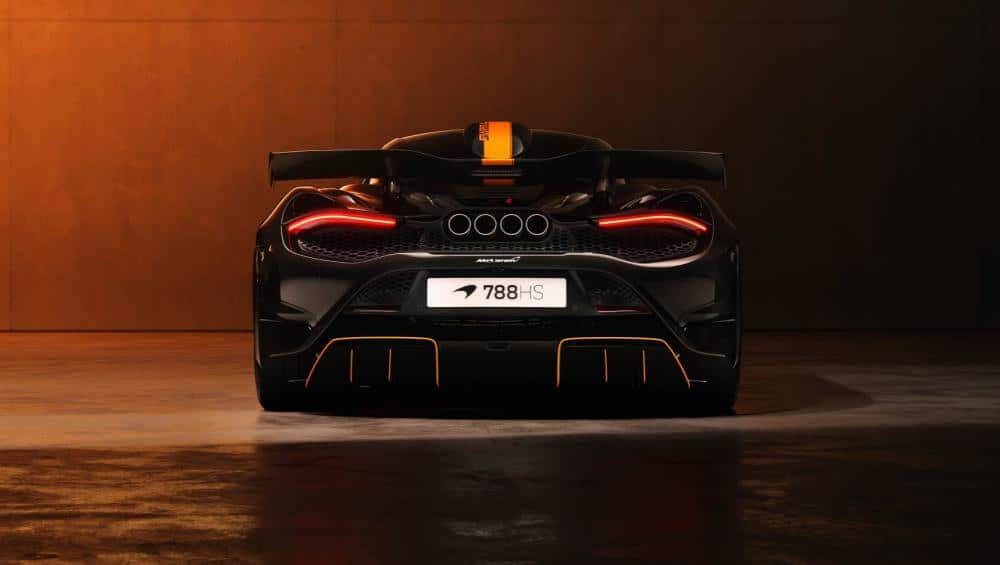
The heart of the new model is the M840T 4.0-litre twin-turbocharged V8 engine. McLaren engineers modified the powertrain with lightweight forged pistons, twin-scroll turbochargers, and upgraded twin fuel pumps. The engine develops peak power at 7,500 rpm and revs all the way to an 8,500 rpm limit. Power moves through a seven-speed Seamless Shift Gearbox to the rear wheels, enabling the vehicle to accelerate from 0 to 100 km/h in 2.8 seconds and reach 200 km/h in 7.0 seconds. The official top speed is rated at 330 km/h. A revised engine mount calibration transfers more mechanical feedback into the cabin, while a quad-exit titanium exhaust system delivers a sharper acoustic note.
Aerodynamic performance heavily influences the exterior design. The vehicle introduces a new front splitter made of carbon fibre and a specialized S-Duct bonnet that channels air over the passenger compartment. At the rear, an elevated active spoiler combines with an intricate diffuser to manage air pressure. These components generate 10 percent more downforce than the track-focused 765LT. For cooling, the vehicle utilizes a louvred under-wing panel that drops internal temperatures during high-speed circuit driving. The McLaren Special Operations division offers buyers the choice of an entirely exposed carbon-fibre body structure finished in either gloss or satin.
The mechanical package relies on the Proactive Chassis Control III linked-hydraulic suspension, which deletes traditional anti-roll bars in favor of adaptive dampers. The front ride height drops by 5mm compared to the standard 750S. For the first time in this specific supercar family, the vehicle comes equipped with lightweight forged alloy center-lock wheels wrapped in Pirelli Trofeo R tires. The stopping hardware features six-piston forged aluminum monoblock front calipers pulling performance from carbon-ceramic discs. Inside the driver-centric cabin, features include a lightweight carbon-fibre center console, unique perforation patterns on the seats, and individual dedication plaques.
FAQ
Q1. What is the top speed of the new McLaren 788HS?
A1. The vehicle achieves an official top speed of 330 km/h (205 mph) and can accelerate from 0 to 100 km/h in 2.8 seconds.
Q2. How many units of the supercar will the manufacturer build?
A2. Production is limited to 200 units globally, which includes 100 Coupe models and 100 Spider convertibles.
Q3. What does the HS designation mean in the vehicle name?
A3. The letters stand for High Sport, a nameplate that McLaren Automotive reserves for highly exclusive, track-oriented derivatives.
Q4. What engine powers the new limited edition model?
A4. The car uses a heavily reworked version of the M840T 4.0-litre twin-turbocharged V8 engine that produces 788PS and 800Nm of torque.