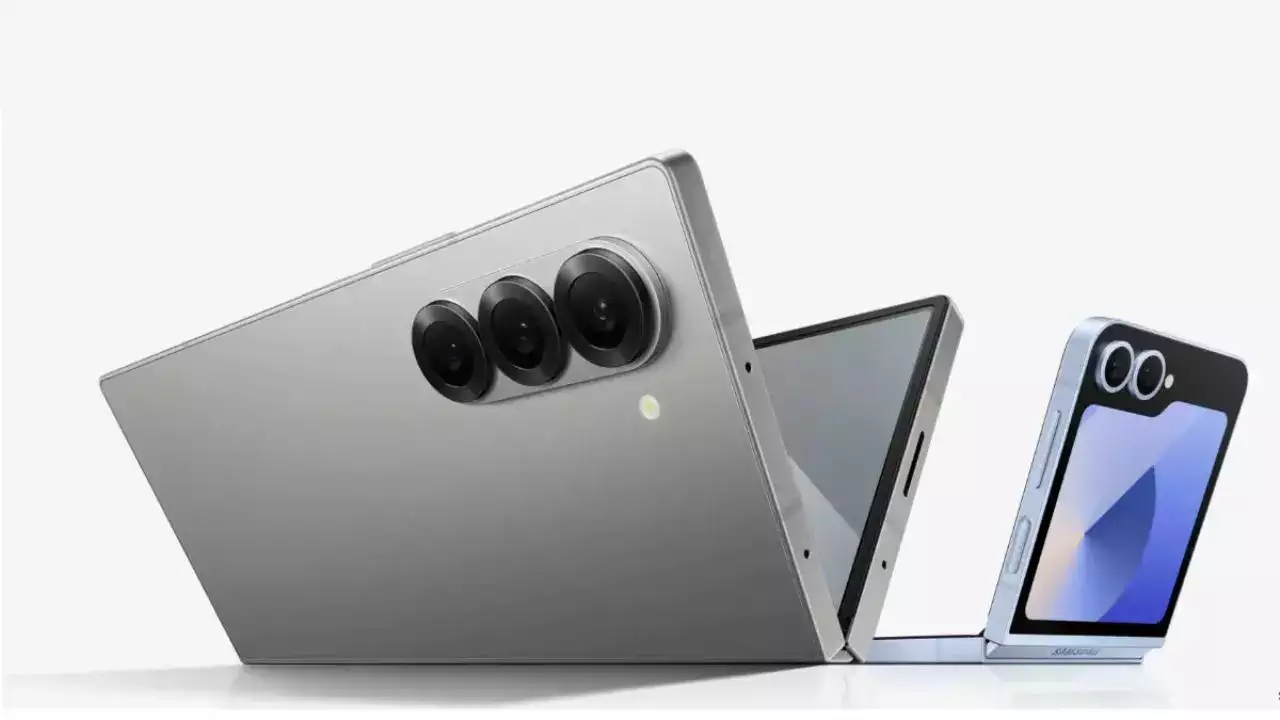
After years of aggressive growth, Samsung is reportedly planning to scale back production of its foldable smartphones in 2025. This unexpected move raises questions about the future of this innovative technology and Samsung’s role in the foldable market.
The news, first reported by The Elec, a Korean tech publication, suggests that Samsung aims to produce around 7.5 million foldable phones in 2025. This represents a significant decrease compared to the estimated 10 million units shipped in 2024 and an even steeper drop from the projected 13 million units in 2023. While Samsung has yet to officially confirm these figures, the report has sent ripples through the tech world, prompting discussions about the reasons behind this strategic shift and its potential implications for the foldable phone market.
This article delves into the possible motives behind Samsung’s decision, exploring factors like market saturation, economic challenges, and evolving consumer preferences. We’ll also analyze the broader impact on the foldable phone landscape and what this means for Samsung’s future in this emerging sector.
Why is Samsung Scaling Back?
Several factors could be contributing to Samsung’s decision to reduce foldable phone production:
- Market Saturation: While foldable phones initially generated significant excitement, the market may be approaching a saturation point. Early adopters and tech enthusiasts have likely already made their purchases, and mainstream consumers seem hesitant to embrace the new form factor due to high prices and lingering durability concerns.
- Economic Headwinds: The global economy is facing challenges, including inflation and recessionary pressures. These economic uncertainties could be impacting consumer spending, particularly on non-essential luxury items like high-end foldable phones.
- Shifting Consumer Preferences: Consumer preferences are constantly evolving. While foldable phones offer unique features and functionalities, traditional smartphones continue to improve in terms of camera technology, battery life, and overall performance. This might be diminishing the appeal of foldable devices for some users.
- Component Shortages and Supply Chain Issues: The tech industry has been grappling with component shortages and supply chain disruptions in recent years. These challenges could be impacting Samsung’s ability to produce foldable phones at scale.
- Focus on Profitability: Samsung might be prioritizing profitability over market share. By reducing production, they can potentially avoid inventory buildup and maintain healthy profit margins on their foldable devices.
The Impact on the Foldable Phone Market
Samsung’s decision could have a ripple effect on the entire foldable phone market:
- Slower Market Growth: A reduction in production by Samsung, the leading player in the foldable segment, could slow down the overall growth of the market. This might impact component suppliers and other manufacturers who are investing in foldable technology.
- Increased Competition: While Samsung scales back, other manufacturers like Oppo, Vivo, and Motorola are aggressively expanding their foldable phone offerings. This could lead to increased competition and a more fragmented market.
- Price Wars: To maintain market share, Samsung and its competitors might engage in price wars, leading to more affordable foldable phones for consumers. However, this could also squeeze profit margins for manufacturers.
What Does This Mean for Samsung?
This strategic shift raises questions about Samsung’s long-term vision for foldable phones:
- Focus on Premium Models: Samsung might be shifting its focus towards higher-end foldable models with premium features and pricing. This could help them maintain profitability even with lower production volumes.
- Investment in R&D: Despite the production cutbacks, Samsung is likely to continue investing in research and development to improve foldable technology and address existing limitations like durability and crease visibility.
- Exploring New Form Factors: Samsung might explore new foldable form factors beyond the current flip and fold designs. This could involve experimenting with rollable displays or other innovative concepts to reignite consumer interest.
My Perspective
Having closely followed the evolution of foldable phones since their inception, I initially saw them as a revolutionary innovation with the potential to redefine the smartphone experience. However, the high price point and initial concerns about durability made me hesitant to jump on the bandwagon immediately.
I eventually purchased the Samsung Galaxy Z Flip 3, drawn to its compact design and the nostalgia it evoked for classic flip phones. While I appreciate the novelty and functionality of the foldable form factor, I’ve also encountered some limitations. The crease on the inner display is noticeable, and I occasionally worry about the long-term durability of the hinge mechanism.
Samsung’s decision to scale back production doesn’t surprise me entirely. While foldable phones have generated considerable buzz, they haven’t achieved mainstream adoption. The high cost remains a significant barrier for many consumers, and the technology still needs refinement to address concerns about durability and practicality.
I believe that foldable phones have a future, but it might take longer than initially anticipated for them to become truly mainstream. Manufacturers need to continue innovating and refining the technology while also making them more affordable to attract a wider audience.
Samsung’s reported decision to scale back foldable phone production in 2025 signals a potential slowdown in the growth of this emerging market. While foldable phones offer exciting possibilities, they face challenges in terms of price, durability, and consumer adoption.
This strategic shift by Samsung could be a temporary adjustment to market realities or a sign of a broader reassessment of the foldable phone’s potential. Only time will tell how this decision will impact the future of foldable technology and Samsung’s role in shaping it.
It’s crucial to remember that these reports are based on industry sources and haven’t been officially confirmed by Samsung. The company’s actual production plans for 2025 might differ.