


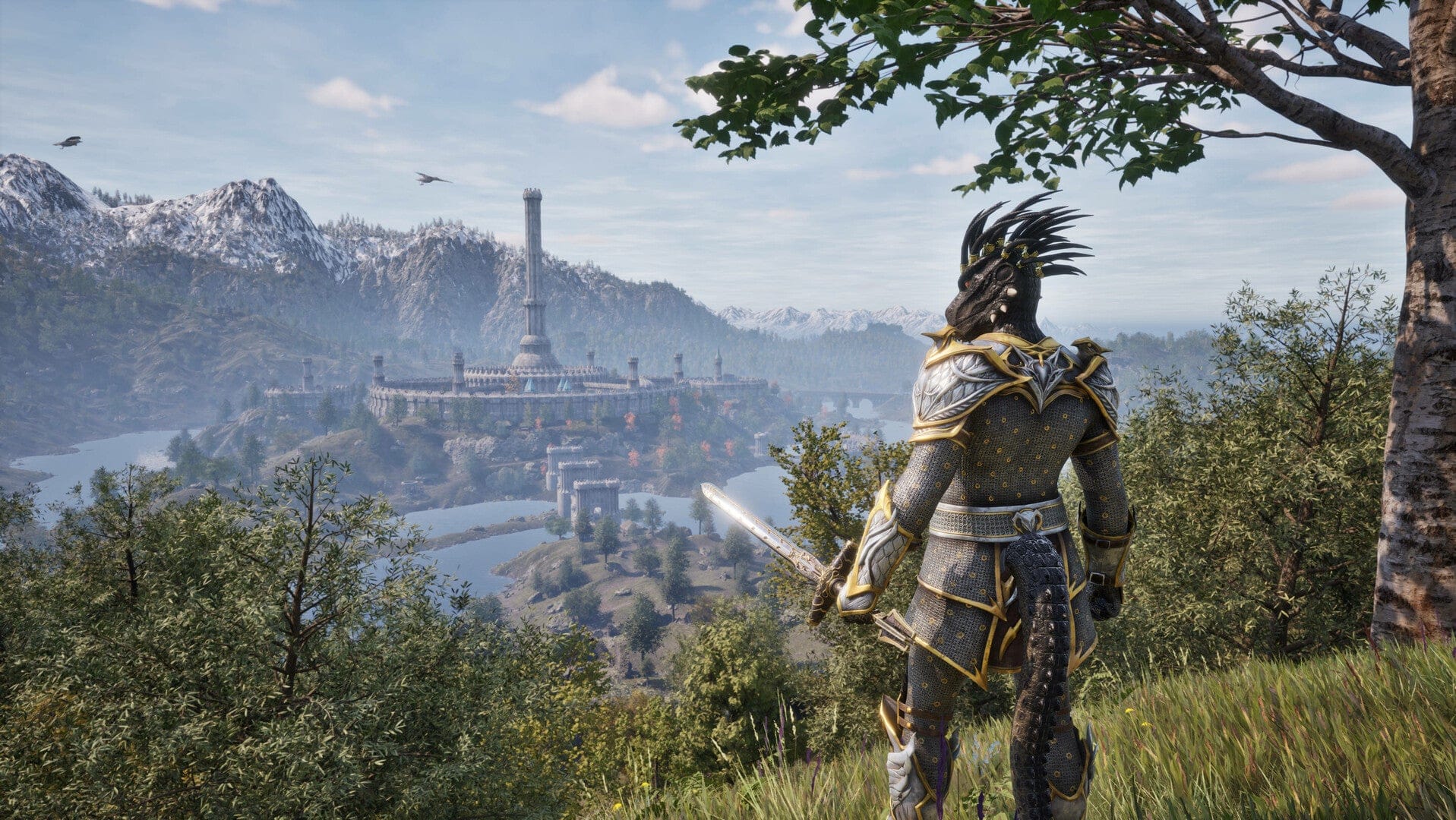
For many, The Elder Scrolls V: Skyrim represents the peak of the series, a cultural phenomenon that brought fantasy role-playing to the masses. Its sprawling Nordic landscape, dragons, and accessible design captured millions. But nearly five years before the Dragonborn shouted their way into history, The Elder Scrolls IV: Oblivion opened the gates to Cyrodiil. And for a significant number of players, myself included, that journey felt… different. Deeper, perhaps? It’s an opinion shared quietly among veterans of the series: Oblivion didn’t just pave the way for Skyrim; it left an indelible mark that, for some, Skyrim never quite matched.
Released in March 2006, Oblivion arrived at a time of transition for gaming. Graphics were making significant leaps, open worlds were becoming more common, and the lines between traditional RPGs and action games began to blur. Stepping out of the Imperial City sewers for the first time was breathtaking. Sunlight streamed through the leaves, the world felt vibrant with color, and the iconic, sweeping score by Jeremy Soule promised grand adventure. It was a high-fantasy postcard come to life, a stark contrast to the alien, mushroom-filled landscapes of its predecessor, Morrowind.
While Skyrim offered rugged beauty and epic scale, Oblivion’s Cyrodiil felt like the quintessential fantasy kingdom. Rolling green hills, sun-dappled forests, quaint towns with distinct architectural styles, and the majestic, centralized Imperial City. This world, while perhaps less geographically varied than Skyrim, possessed a certain charm and a more traditional high-fantasy aesthetic that resonated deeply. It felt inviting, like a classic fantasy novel you could step into.
Where Oblivion truly seemed to excel, and where its impact felt most profound for me, was in its structured questlines, particularly the guild narratives. The Fighters Guild, Mages Guild, Thieves Guild, and especially the Dark Brotherhood delivered multi-act stories with memorable characters, twists, and consequences that felt genuinely earned. The Dark Brotherhood questline, in particular, is legendary among fans – a chilling, morally complex journey filled with dark humor and shocking moments that culminated in a deeply satisfying conclusion. Compare this to Skyrim’s guilds, which, while enjoyable, often felt shorter or less intricately woven, sometimes leaving you as the guild master after only a handful of quests without truly feeling you had ascended the ranks.
The main quest of Oblivion, centered around the Oblivion Crisis and aiding Martin Septim, had a sense of urgency and personal connection that I found incredibly compelling. Closing chaotic, fiery Oblivion gates that popped up across the land felt like directly saving the world, one hellish dimension at a time. Martin Septim’s journey from reluctant monk to potential emperor provided a strong narrative anchor, and his fate felt genuinely important. Skyrim’s main quest, while epic in scale with dragon battles, sometimes felt more like a backdrop to exploring the vast world rather than the central driving force that defined the experience in the same way Oblivion’s crisis did.
Mechanically, Oblivion offered a different kind of RPG depth. While its level scaling system was often criticized for making low-level bandits suddenly appear in Daedric armor, it forced players to think about their builds and skill progression in a specific way. More significantly, the magic system, with its robust spellcrafting capabilities, allowed for incredible creativity. You weren’t limited to pre-defined spells; you could combine effects, create unique durations, and design magic tailored precisely to your playstyle. Want a spell that damages health and absorbs fatigue simultaneously? You could make it. This level of player agency in magic felt incredibly powerful and is a feature many fans still miss in Skyrim. While Skyrim simplified many RPG elements for broader appeal – successfully, by all accounts, given its sales – Oblivion retained more of the granular character building seen in Morrowind, which appealed to a different kind of RPG player.
Even Oblivion’s downloadable content felt impactful. Knights of the Nine offered a classic paladin questline, but The Shivering Isles expansion transported players to the bizarre and wonderful realms of the Daedric Prince Sheogorath. This expansion is widely regarded as one of the best DLCs ever made, offering a truly unique, imaginative, and lengthy adventure completely separate from the main game’s tone. It added significant value and demonstrated a willingness to experiment wildly, something Skyrim’s DLCs, while good, didn’t quite replicate on the same level of sheer inventiveness.
Walking out of the sewers in Oblivion felt like stepping into a world specifically crafted for classic fantasy adventure. Every forest felt like it held a hidden ruin, every town felt like it had secrets. The radiant AI, while quirky and often leading to hilarious NPC behavior, also created moments that felt unscripted and personal to your play session. Guard dialogue (“Stop right there, criminal scum!”) and townspeople’s greetings became iconic parts of the experience.
Skyrim is undeniably a masterpiece of open-world design and accessibility, bringing the Elder Scrolls series to a wider audience than ever before. Its impact on the industry is undeniable. But for those who spent hundreds of hours closing gates, mastering spellcrafting, delving into the darkest corners of the Dark Brotherhood, and saving a reluctant emperor, Oblivion wasn’t just a precursor. It was a unique, vibrant, and deeply personal adventure that, for some, left an even stronger, more lasting impression. It’s the game they still think about, the world they occasionally yearn to revisit, proving that sometimes, hitting harder isn’t just about reaching the most people, but about resonating most deeply with the ones you do.