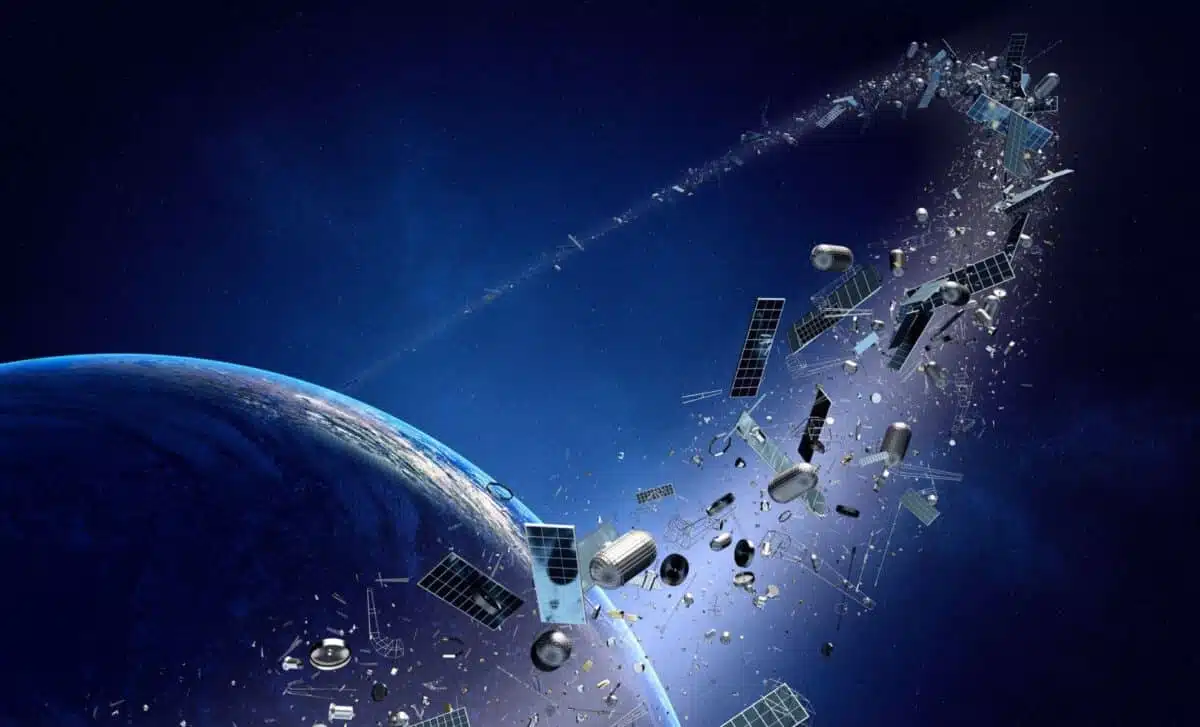
In a decisive move towards safeguarding the future of space exploration, NASA has established a dedicated Space Sustainability Division to tackle the growing threat of orbital debris. This newly formed entity will consolidate and amplify the agency’s efforts in addressing the mounting issue of space junk, which poses a significant risk to satellites, spacecraft, and future missions.
The establishment of this division comes at a critical juncture, with experts warning of a potential cascade effect known as the Kessler Syndrome. This phenomenon describes a scenario where the density of debris in low Earth orbit becomes so high that collisions generate more debris, triggering an unstoppable chain reaction.
The Urgent Need for Action: A Closer Look at Orbital Debris
Orbital debris encompasses a wide array of objects, from defunct satellites and spent rocket stages to fragments generated by collisions and explosions. Traveling at tremendous speeds, even tiny pieces of debris can cause significant damage to operational spacecraft. The increasing volume of debris in orbit raises serious concerns about the safety and sustainability of future space endeavors.
NASA’s Multifaceted Approach: A Consolidated Effort
The Space Sustainability Division brings together various NASA teams and initiatives previously working independently on orbital debris issues. This consolidated approach aims to streamline efforts and enhance collaboration across different departments and projects. The division will focus on research and development of innovative technologies for debris removal and mitigation, as well as international cooperation and policy development to promote responsible space behavior.
Key Objectives and Strategies: A Path to a Sustainable Future
- Debris Removal: Developing and testing technologies for actively removing debris from orbit, including robotic arms, nets, and lasers
- Mitigation: Implementing measures to minimize the creation of new debris, such as deorbiting defunct satellites and designing spacecraft for easier disposal
- Tracking and Surveillance: Enhancing capabilities for monitoring and tracking debris objects in orbit
- International Cooperation: Collaborating with other space agencies and nations to develop global standards and guidelines for space sustainability
- Policy Development: Advocating for policies that promote responsible space behavior and incentivize debris mitigation efforts
Technological Innovations: Leading the Charge
NASA is actively pursuing cutting-edge technologies to address the orbital debris challenge. Some promising solutions include:
- Robotic Arms: These versatile tools can capture and deorbit large debris objects
- Nets: Nets can ensnare multiple pieces of debris at once, improving efficiency
- Lasers: Ground-based lasers can be used to nudge small debris objects out of orbit
- Space-Based Tugs: These specialized spacecraft can attach to defunct satellites and maneuver them into a disposal orbit
International Collaboration: A Shared Responsibility
Recognizing that orbital debris is a global issue, NASA is actively engaging with other spacefaring nations and organizations to foster international cooperation. Collaborative efforts include:
- Sharing of Data and Expertise: Facilitating the exchange of information and knowledge about debris tracking and mitigation techniques
- Joint Research and Development: Partnering on the development of new technologies and solutions
- Development of International Standards: Working towards establishing globally accepted guidelines for responsible space behavior
The Road Ahead: Challenges and Opportunities
While the establishment of the Space Sustainability Division marks a significant step forward, the path to a sustainable space environment remains fraught with challenges. Some of the key hurdles include:
- Technical Complexity: Developing effective debris removal and mitigation technologies is a complex and costly endeavor.
- International Cooperation: Achieving global consensus on space sustainability policies and regulations can be challenging due to diverging interests and priorities.
- Economic Considerations: Balancing the costs of debris mitigation with the benefits of space exploration requires careful consideration.
However, amidst these challenges lie numerous opportunities for innovation and collaboration. By fostering a spirit of cooperation and investing in cutting-edge technologies, we can ensure a future where space remains accessible and sustainable for generations to come.
Expert Insights and Analysis: Weighing in on NASA’s Move
The creation of the Space Sustainability Division has garnered widespread support and praise from experts in the space industry. Many see it as a crucial step towards addressing a pressing issue that has long been neglected.
“This is a welcome development,” says Dr. Moriba Jah, an astrodynamicist and leading expert on space debris. “NASA is finally taking concrete action to tackle the orbital debris problem, which poses a serious threat to the future of space exploration.”
Other experts highlight the importance of international collaboration in achieving a sustainable space environment.
“No single nation can solve this problem alone,” notes Dr. Alice Gorman, a space archaeologist and historian. “It will require a concerted effort from all spacefaring nations to develop and implement effective debris mitigation measures.”
The Human Element: A Personal Perspective
As someone who has always been fascinated by space exploration, the issue of orbital debris strikes a chord with me. The thought of our celestial backyard becoming cluttered with debris, hindering future missions and potentially triggering a catastrophic cascade effect, is deeply concerning.
I believe that NASA’s decision to establish a dedicated Space Sustainability Division is a positive step towards ensuring a future where space remains a realm of wonder and discovery. It is a testament to the agency’s commitment to responsible space exploration and its recognition of the need to safeguard this precious resource for future generations.
The creation of NASA’s Space Sustainability Division represents a significant milestone in the ongoing effort to address the orbital debris crisis. By consolidating its efforts and focusing on innovative technologies and international collaboration, NASA is taking a proactive approach to ensure the long-term sustainability of space activities.
However, the challenge of achieving a truly sustainable space environment requires a collective effort from all stakeholders, including governments, industry, and academia. It is imperative that we continue to invest in research and development, promote international cooperation, and advocate for policies that prioritize responsible space behavior.
Only then can we ensure that future generations will have the opportunity to explore the cosmos and unlock its mysteries, unburdened by the legacy of our past endeavors.