


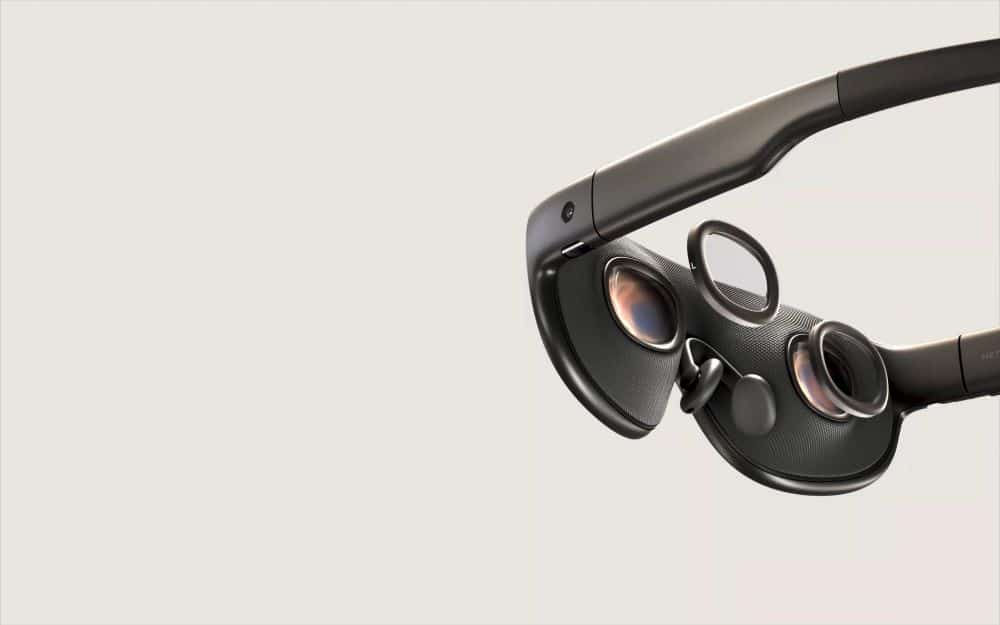
Meta appears to have accidentally revealed the design of its upcoming mixed reality headset, known internally as Project Phoenix. Visual assets showing the device surfaced inside an update to an official developer package called the HorizonOS Prescription Lens application. The leaked graphics demonstrate that Meta Platforms Inc., the Menlo Park-based technology corporation headed by Mark Zuckerberg, plans a sharp break from its bulky Meta Quest product family. The new device adopts an open-periphery frame that looks closer to thick eyeglasses than a typical virtual reality viewer.
Key Takeaways
- Firmware assets from Meta HorizonOS expose the look of Project Phoenix, a premium mixed reality headset.
- The device removes thick facial cushions and uses glasses-style nose pads with an open peripheral view.
- Computing hardware moves off the face through a wired connection to a separate pocket puck.
- The headset relies on hand and eye tracking rather than handheld plastic controllers.
- Custom prescription lenses clip directly in front of internal micro-displays via QR code calibration.
Leaked Design Details and External Processing
The leaked files demonstrate how Project Phoenix balances display hardware with everyday comfort. Standard headsets like the Meta Quest 3 place heavy lithium-ion batteries and central processors directly against the user’s forehead. Project Phoenix changes this setup. A tether cable extends from the left temple arm, running to a small external puck. This external unit houses the main processing chip and battery, keeping the head-worn frame very light.
External cameras sit along the side rims and bottom edges of the frame. These outward-facing image sensors capture real-world surroundings and project digital video onto screens inside. This approach delivers pass-through mixed reality without requiring clear optical glass. The firmware graphics also detail an onboarding workflow for prescription lens inserts. Users snap custom optical pieces onto the inner lens frame, then hold a printed card with a QR code up to the front sensors to configure vision settings.
Shift Away From Physical Controllers
The interface shown in the setup flow points toward completely hands-free software control. Rather than pairing with plastic handheld controllers, Project Phoenix tracks user hand gestures and eye position. This hardware direction matches the public agenda for the Meta Connect conference scheduled for late September, which lists developer sessions on controller-free user interaction.
Meta previously explored high-end enterprise devices with the Meta Quest Pro in 2022. Project Phoenix, earlier tracked under codenames Stanley and Loma, targets users who want mixed reality workspaces and personal media viewing without neck strain. Meta has not shared pricing or launch plans for the headset.
Frequently Asked Questions
Q1. What is Meta Project Phoenix?
A1. Project Phoenix is the internal codename for Meta’s upcoming lightweight mixed reality headset, designed with an open glasses-style frame.
Q2. How does Project Phoenix differ from Meta Quest 3?
A2. Quest 3 carries its processor and battery inside the front visor, while Project Phoenix offloads heavy components to a wired external unit to reduce weight.
Q3. Does the leaked headset use controllers?
A3. Leaked software setup assets show controller-free operation, relying on built-in sensors for hand movement and eye tracking.
Q4. Will users with eyeglasses be able to use Project Phoenix?
A4. Yes. The leaked firmware reveals magnetic or snap-on prescription lens inserts calibrated through a QR code system.