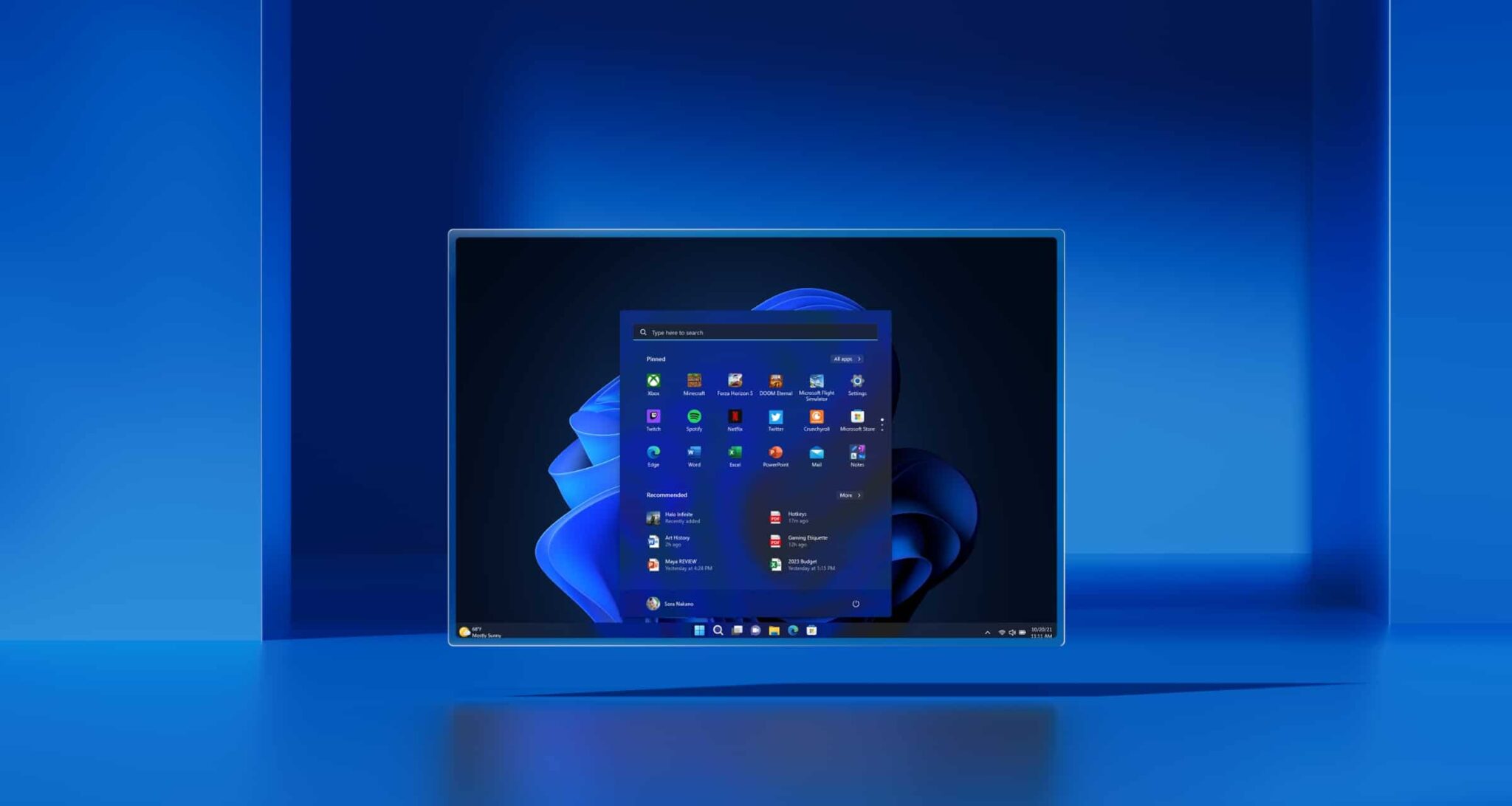
In today’s world, where every dollar matters and efficiency is king, the tools we rely on can really make or break our day. For many professionals and businesses, Windows 11 Pro stands out as a robust choice—a platform packed with features designed for productivity and security. But, here’s the catch: the official price for a full retail license can be a bit… steep. What if I told you that you could get all those Windows 11 Pro perks for as little as $15? Sounds almost too good to be true, right?
This isn’t just some vague claim or sketchy deal. It’s actually possible—if you know where and how to look. This piece cuts through the clutter and gives you straightforward, verifiable info on how to snag a genuine Windows 11 Pro license without breaking the bank.
The Real Cost of Windows 11 Pro: What You Should Know
Microsoft’s official retail price for Windows 11 Pro usually sits around $199 to $200. That price comes with the full package—direct support from Microsoft, regular updates, and the peace of mind that comes with buying from the source. For large companies or users who want that official backing, paying the full price is just part of the deal.
But the software market isn’t quite so simple. There are different types of licenses floating around:
- OEM Licenses: These come pre-installed on new computers from manufacturers. They’re tied to that specific hardware and generally can’t be transferred elsewhere.
- Retail Licenses: Bought directly from Microsoft or authorized retailers, these can usually move to new hardware within limits.
- Volume Licenses: Big organizations buy these in bulk for many computers, often at a discounted rate.
- Reseller Market: Here’s where things get interesting for someone looking to save some serious cash.
The $15 Windows 11 Pro License — How Does That Even Happen?
Seeing a Windows 11 Pro license for just $15 can make you raise an eyebrow. Honestly, it sounds suspicious at first. But this surprisingly low price usually comes from something called “used” or “recycled” software licenses—a practice that’s completely legal in some places, especially in the European Union, thanks to some important court rulings.
Here’s the gist:
- Volume License Splitting: When big companies buy lots of licenses in bulk, sometimes they end up with extras—maybe they upgraded their systems or downsized. These leftover licenses, while part of a volume deal, can legally be separated and sold individually.
- Software Resale Companies: There are businesses dedicated to buying these surplus licenses or ones from companies that are closing or shrinking. They make sure the licenses are legit, then resell them at much lower prices to individuals or small businesses.
- Legal Precedent: Courts have said that once software is sold, the owner has the right to resell it, just like physical goods. This applies to digital licenses too—provided the original license is properly deactivated.
Of course, it’s important to distinguish these legal resales from pirated or counterfeit keys. Legitimate sellers offer genuine, activated keys that communicate directly with Microsoft’s activation servers.
Where to Find These Deals (Without Getting Scammed)
If you’re tempted to hunt down a $15 Windows 11 Pro license, you’ll want to be careful about where you shop. Online marketplaces and specialized resellers are your best bet. When you look, keep an eye out for:
- Reputable Sellers: Vendors with good reviews and a track record of successful activations. Places like G2A, Kinguin, and smaller independent stores might carry these keys.
- Clear Product Info: The listing should clearly say it’s a genuine Windows 11 Pro license and explain the type of key (like “OEM key” or “volume license key”).
- Customer Support: Good sellers offer support if you run into activation problems or give refunds if the key doesn’t work.
- Secure Payments: Always use safe payment methods to protect yourself.
A quick online search for “cheap Windows 11 Pro key” will show plenty of options—but beware, because not all are legit.
Why Windows 11 Pro Is Worth It
Once you have a genuine Windows 11 Pro license, you unlock some pretty powerful features—especially handy if you’re a professional or running a small business.
- BitLocker Device Encryption: Keeps your data safe by encrypting your entire drive. Perfect if your device ever gets lost or stolen.
- Remote Desktop: Access your PC from anywhere with an internet connection. Super useful for remote work or tech support.
- Group Policy: Lets you control computer settings and user environments more precisely, usually a business tool but handy for power users too.
- Hyper-V: Run multiple operating systems in virtual machines on your PC. Great for testing or running specialized software.
- Windows Sandbox: A safe, isolated environment to run unknown software without risking your main system.
- Assigned Access: Locks down a device so it only runs certain apps—a useful feature for kiosks or dedicated-use machines.
These are features you won’t get in the Home edition, and for many, they’re not just nice-to-haves—they’re essential.
Checking Your License to Stay Safe
After buying a key, it’s easy to verify if it’s real. Enter the key during installation or in Windows Activation settings, and Microsoft will check it online. If it’s genuine, your system activates and you get updates directly from Microsoft.
You can also check your activation status by running this command in an administrator Command Prompt:
bash
Copy
slmgr /xpr
This will tell you if your Windows is permanently activated or if the license expires. A “permanently activated” status means you’re good to go with a legitimate key.
Getting Windows 11 Pro for $15 isn’t some wild fantasy. It’s a real possibility thanks to the complex, often misunderstood software licensing market. Knowing the legality behind “used” licenses and where to find reputable sellers lets you save money without sacrificing authenticity or features.
Still, a word of caution: always do your homework before buying. Check vendor reviews, confirm the license type, and ensure it’s legitimate. If you do your due diligence, this could be a smart way to power up your digital setup—without paying full price.