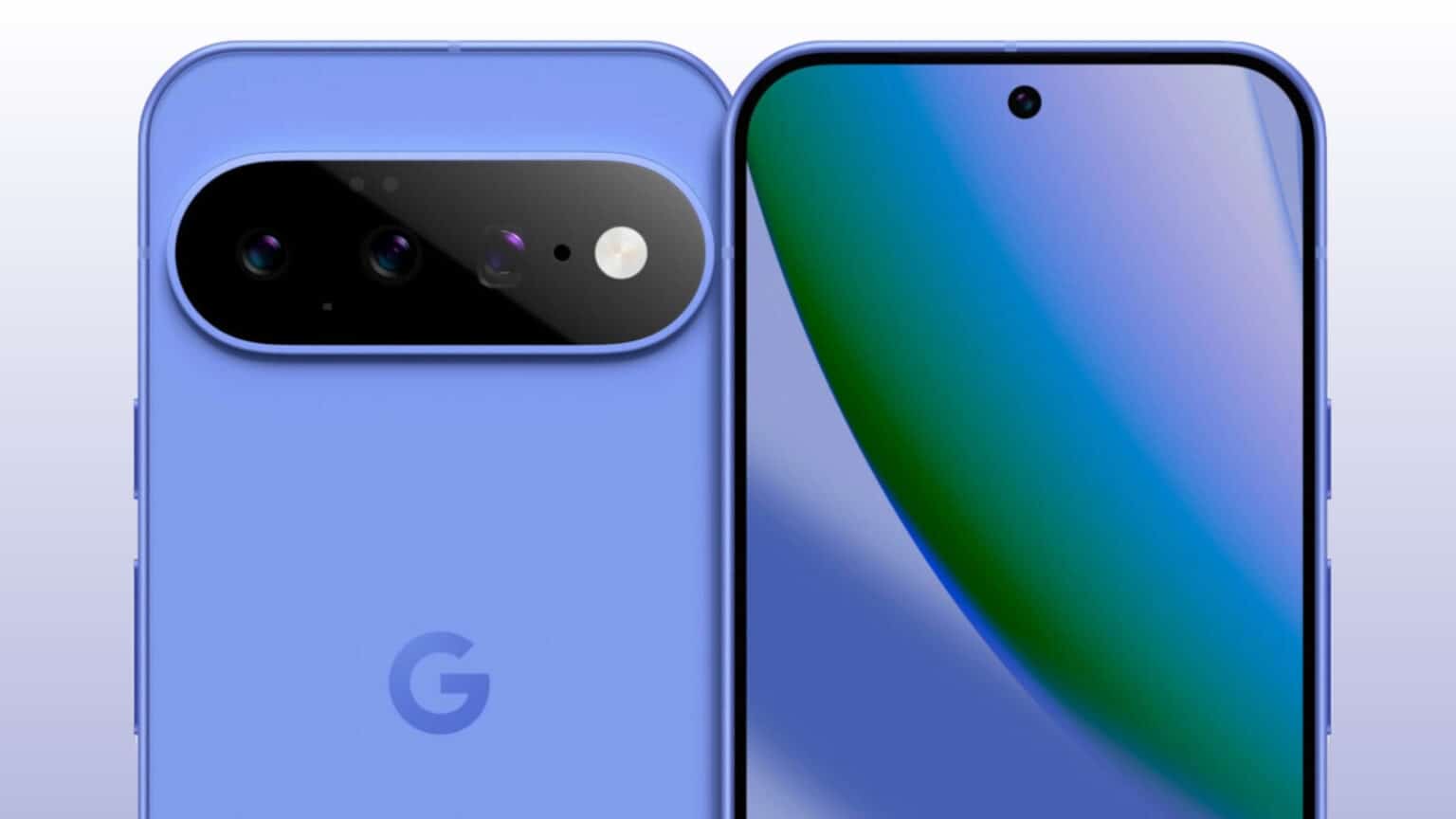


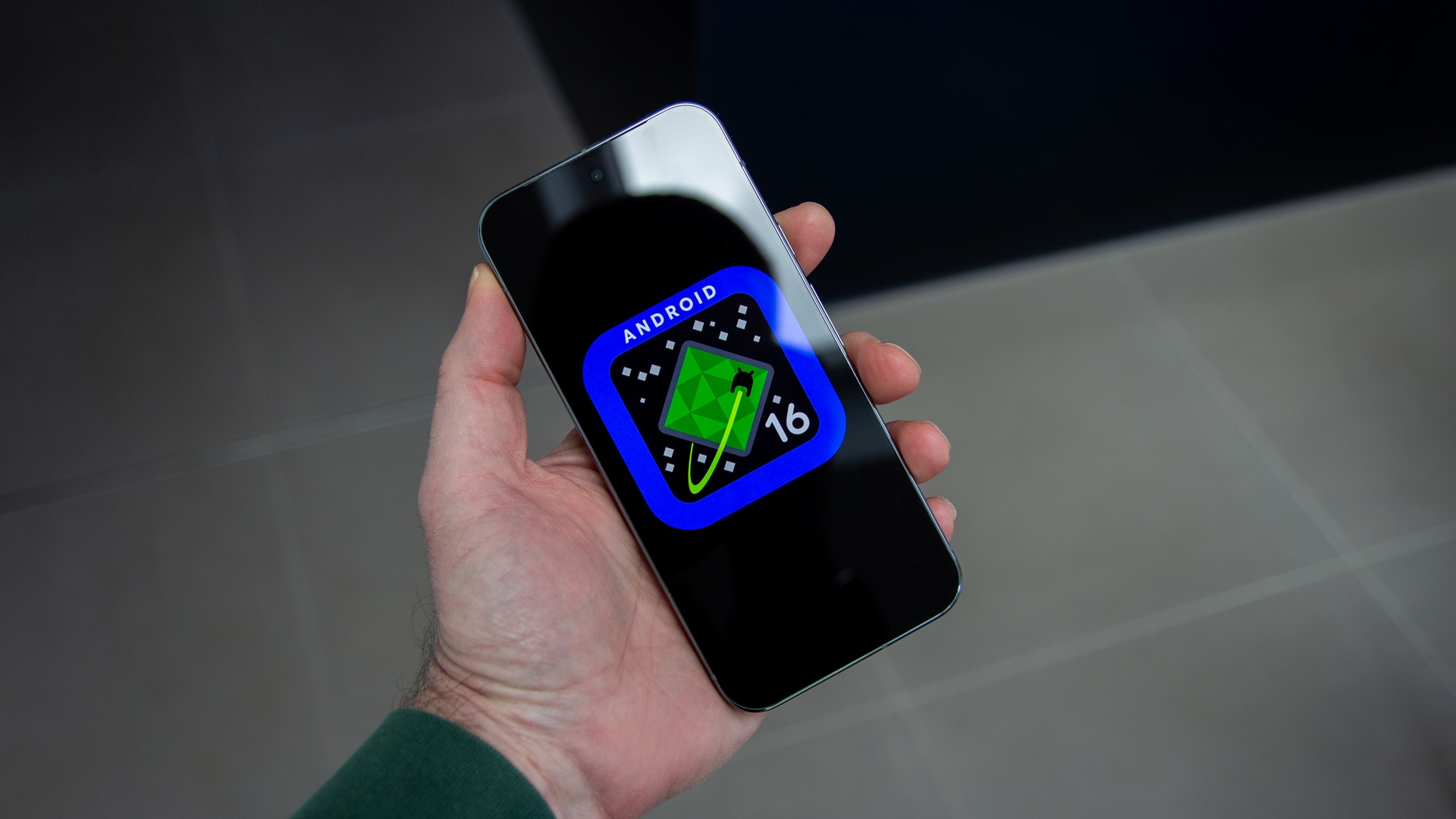
Pixel users, did you feel a sudden zip in your phone’s performance recently? You might not be imagining it. Google just pushed out Android 16 Beta 4, and while it might seem like just another step towards the final release, this one feels significant. It arrived on April 17, 2025, hitting eligible Pixel devices from the Pixel 6 all the way up to the brand-new Pixel 9a, plus the Pixel Fold and Pixel Tablet. This isn’t just a minor tweak; it’s Google putting what appears to be the near-final touches on the next big Android version. If you’re enrolled in the beta program, you’ve already experienced the changes firsthand.
Getting into the beta program is straightforward. You visit the Android Beta for Pixel website, find your eligible device, and opt-in. Soon after, an over-the-air update notification pops up, just like a regular system update. It’s genuinely simple, not some complicated process requiring technical wizardry. For me, the notification showed up within hours of opting in on my Pixel 8 Pro, and the download and installation were smooth, taking less than 20 minutes total. It feels pretty amazing to get an early look at what’s coming.
So, what’s actually in this Beta 4 build (BP22.250325.007)? Google calls this the second “Platform Stability” release. What that means in plain language is the core stuff developers work with – the APIs and how the system behaves with apps – is now finalized. This is Google telling developers, “Okay, the foundation is set. Now you can really get your apps ready for Android 16’s public launch.” This is a crucial stage; it means we’re very close to the finished product.
Beyond the under-the-hood stability, Beta 4 tackles a list of annoying issues that beta testers and developers pointed out in earlier builds. And let’s be honest, that’s often the most impactful part of a beta update for daily use.
One fix addresses a frustrating bug in the Pixel Weather app where the radar map would sometimes disappear. If you rely on that to check the skies, this is a welcome return to normalcy. Haptic feedback, those subtle vibrations your phone makes, also received attention. Some users reported delayed or simply “off” feeling haptics, almost like the phone was vibrating hollowly. Beta 4 brings fixes aimed at making those vibrations feel right again, more responsive and solid. Battery drain has been a recurring concern for some in previous betas. Reports mentioned devices losing significant charge overnight. Google says Beta 4 includes fixes targeting this excessive power consumption, which should bring some peace of mind and longer uptime for those affected. Nobody likes waking up to a phone with a surprisingly low battery.
Other fixes tackle system stability. Remember those random reboots some people experienced when answering calls, or when using screen magnification? Those should be gone now. Issues preventing the screen saver from starting are also addressed. Plus, there are general stability improvements and fixes for launcher crashes that some users encountered. These kinds of fixes might not be glamorous, but they make the day-to-day experience of using your phone much more reliable and less frustrating. A stable phone just feels better.
There are also a few small interface changes that might catch your eye. The bubbly digital clocks on the Always-on Display might now subtly pick up colors from your chosen theme, adding a touch more personalization. When you long-press an app in the recents menu, you’ll now see dedicated “Screenshot” and “Select” options pop up, making those actions a bit quicker. The media player notification on the lockscreen has a slightly darker background behind the album artwork. This makes the text and controls stand out more clearly, especially in bright conditions. For newcomers or those who prefer visual guides, there’s now a demo of the gesture navigation system right in the settings, which is a thoughtful addition. And for a feature that’s been around for a while in beta, the “Themed icons” option seems to have shed its beta tag, suggesting Google feels it’s finally ready for prime time.
However, not everything is perfect, and beta software can sometimes be a rollercoaster. A small but useful feature, the Battery Health information page within settings, seems to have disappeared for some users after updating to Beta 4. While the phone still likely monitors battery health internally, the easy-to-access percentage and information are gone. This is a strange one, and it’s unclear if it’s an intentional removal or a bug that will be fixed. Another potential bug reported by some users is that lockscreen shortcuts now activate with a single tap instead of requiring a long-press, a change Google made in Android 14 to prevent accidental triggers in your pocket. It seems this intended behavior might have regressed for a subset of users.
Beta 4 also marks an expansion in the Android 16 beta program’s reach. It’s not just for Pixels anymore; partner brands like Honor, iQOO, Lenovo, OnePlus, OPPO, Realme, vivo, and Xiaomi can now offer Android 16 Beta builds on some of their devices. This is good news for the wider Android ecosystem, allowing more developers and users to test the upcoming version across a variety of hardware.
With Platform Stability reached and Beta 4 out the door, the anticipation for the final Android 16 release builds. While Google hasn’t announced a specific date yet, the timing of Platform Stability typically indicates the stable version is just weeks away. Many expect a potential reveal or further details at Google I/O, which usually happens in May. A full public rollout could follow shortly after, perhaps in late May or June.
The release of Android 16 Beta 4 is a clear signal that Google is nearing the finish line. It brings important bug fixes, subtle but appreciated UI refinements, and solidifies the platform for developers. While a couple of quirks remain, the overall picture is one of a more stable and polished operating system. If you’re a Pixel user in the beta program, keep submitting that feedback; you’re playing a crucial role in shaping the final Android 16 experience for millions. If you haven’t joined the beta, this release shows things are getting more stable, making it a less risky time to potentially dive in and get an early taste of the future of Android.