

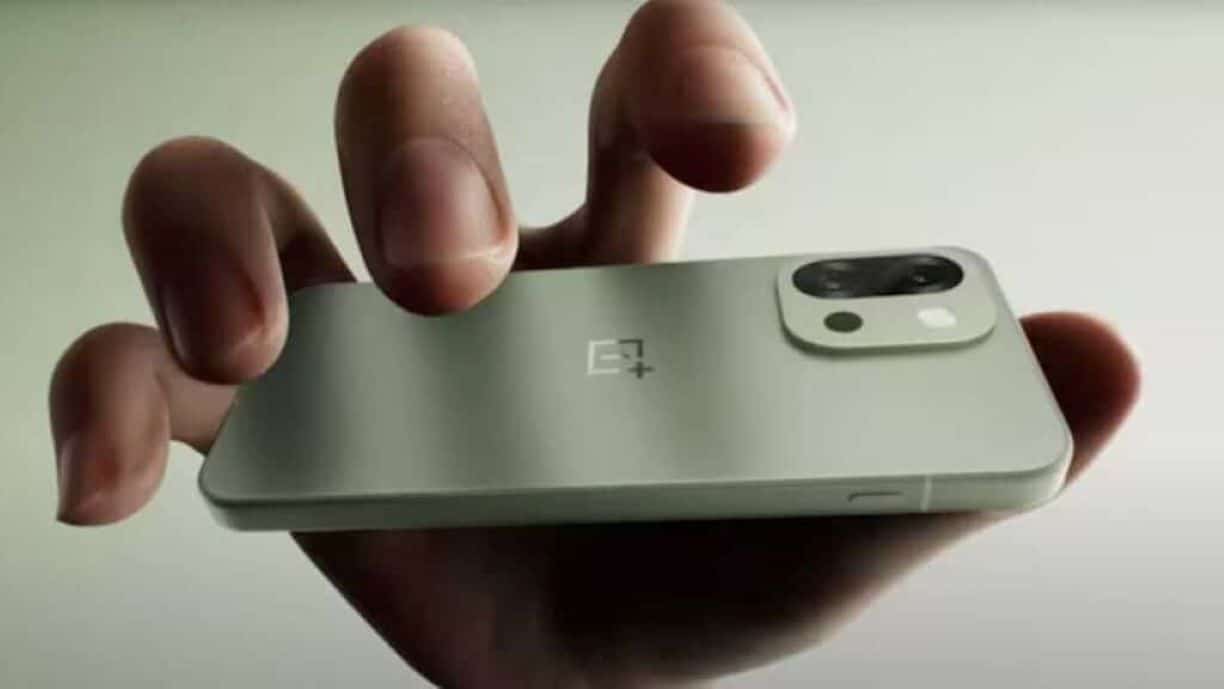
OnePlus just pulled the wraps off its latest compact smartphone—the OnePlus 13s. It’s launching first in India, and interestingly (though maybe not surprisingly), it’s not coming to the US. For fans of smaller phones stateside, that’s bound to feel like a bit of a letdown. But OnePlus seems to be betting that its new wave of AI features—led by something called “Plus Mind”—will resonate more broadly. These AI tools are expected to roll out globally, including in the US, through software updates to existing and upcoming flagship models.
This approach reflects a growing industry pattern: manufacturers are tailoring physical devices for specific regions, but keeping the core software experiences, especially AI, universal. The 13s itself is being pitched as a “small powerhouse.” It sports a 6.3-inch screen, a beefy 5,850 mAh battery with 80W SuperVOOC charging, and a dual 50MP camera system. It’s also designed to feel lighter and more comfortable in the hand, which could appeal to anyone tired of oversized phones.
The Rise of OnePlus AI: A Closer Look
With this launch, OnePlus is making a deliberate move into AI. It’s calling its new suite of tools “OnePlus AI,” and the idea is to enhance productivity, creativity, personalization—even security—through intelligent software. One hardware change that’s sparking chatter is the new “Plus Key,” which replaces the classic Alert Slider on the 13s. It’s a dedicated button for launching AI features.
AI Plus Mind: Your New Digital Assistant?
At the heart of this initiative is AI Plus Mind. Think of it like a smarter, more proactive assistant that helps you save and organize on-screen information. For example, you could capture event details, flights, or articles with a quick action. The AI then identifies key elements—like dates or addresses—and sorts them into your calendar or notes. You can later retrieve them just by asking in plain language.
All of this lives in what’s called “Mind Space,” a kind of digital memory bank that tries to make life less cluttered. If you’re in the US and wondering how this will work without the Plus Key—OnePlus has an answer: on other OnePlus 13 series models, the same functionality will be accessible via a three-finger swipe gesture.
Beyond Plus Mind: A Suite of AI Tools
The AI ambitions don’t stop there. OnePlus is introducing several other tools aimed at streamlining daily tasks:
- AI VoiceScribe records, transcribes, summarizes, and even translates voice content from calls and meetings. For professionals or students, this could be a major time-saver.
- AI Call Assistant—at least initially exclusive to India—automatically summarizes calls and translates them in real time within the OnePlus Dialer. Given India’s linguistic diversity, this makes practical sense.
- AI Translation brings together text, voice, camera, and screen translation into a single interface, aiming to make language barriers easier to navigate.
- AI Reframe is one for the photographers. It intelligently analyzes scenes and offers better-framed compositions, which could help casual users snap more polished shots.
- AI Best Face 2.0, coming via OTA update, corrects group photos—removing blinks or awkward expressions—and can process images with up to 20 people, even if they weren’t taken on a OnePlus device.
- AI Search introduces natural language search across files, settings, notes, and calendars. It integrates directly with Plus Mind, giving the assistant even more depth.
Google Gemini Integration and Privacy Considerations
OnePlus is also strengthening its collaboration with Google. The integration of Google Gemini—Google’s AI platform—into OxygenOS will add contextual intelligence to both native and Google apps. Gemini Live, for instance, will allow real-time interactions with whatever’s on your screen or seen through your camera.
On the privacy front, OnePlus is using a hybrid AI model. Sensitive tasks are handled directly on-device using a Trusted Execution Environment (TEE). For more complex processes, the system offloads to a Private Computing Cloud (PCC), which is encrypted and designed for privacy-compliant data handling. The company is emphasizing its commitment to regional data laws, including regulations in India and the EU.
Why the Regional Divide?
So, why keep the 13s out of the US? OnePlus hasn’t gone into details, but a few possibilities come to mind. Market strategy, local regulations, or even network compatibility could all play a role. Launching in India—arguably one of the most dynamic smartphone markets—lets OnePlus focus resources and experiment without the added complexity of a global rollout.
For US users, this means missing out on a compact AI-centric phone, which is unfortunate. But the bigger picture here is software. OnePlus clearly wants its AI platform to reach a global audience, regardless of which phone model they’re using. The message is clear: hardware might vary, but the AI experience will be consistent—and ideally, helpful.
This rollout marks an important shift for OnePlus. Even if the physical device doesn’t land everywhere, the intelligence behind it is set to be widely available. And that may end up being the more impactful move in the long run.