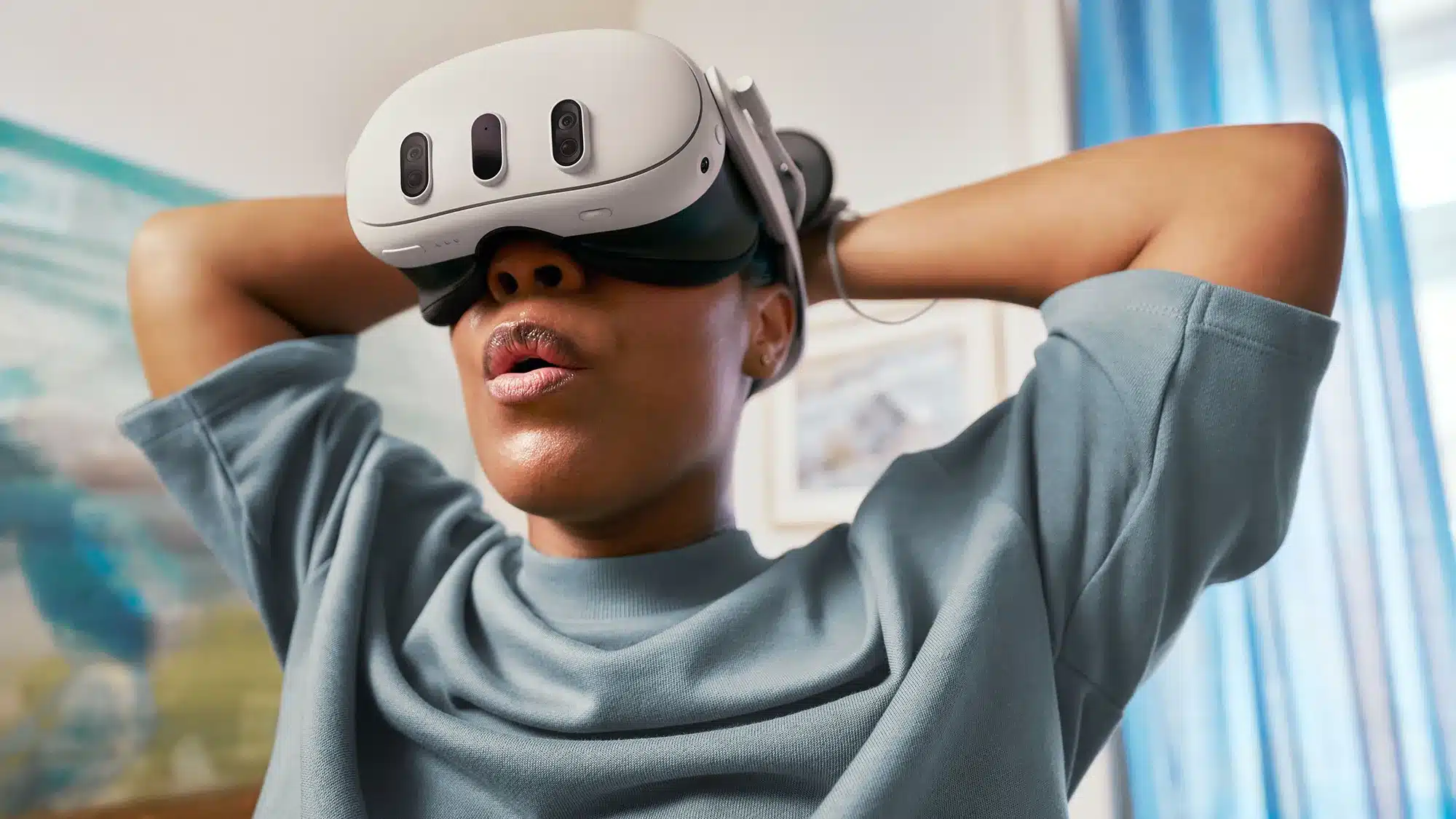
Imagine scrolling through your Instagram feed—but not on a flat screen. Instead, you see those images with depth and dimension, as if they’re actually there in your space. It might sound like something from a sci-fi movie, but it’s quickly becoming real. Meta is currently testing a feature that turns regular 2D Instagram photos into immersive 3D experiences on their Quest VR headsets. This feels like a meaningful step toward reshaping how we interact with digital content—and definitely adds a new layer to how we consume social media.
The rollout is tied to the v77 update for Meta Horizon OS, which is already reaching Quest 3, 3S, Quest 2, and Quest Pro users. A standout part of this update is the ability to view Instagram photos in 3D. And it’s not just a small tweak. This feature taps into AI-powered view synthesis algorithms to convert your standard Instagram snapshots into images with real depth—without needing special 3D cameras. So, theoretically, all your existing Instagram photos could suddenly gain a fresh, spatial vibe when viewed through the Quest.
What’s really neat is how this AI-driven process adds subtle depth cues to flat images. Think about seeing a loved one’s photo—not just a flat picture, but one where their face has gentle contours, and the background feels more naturally layered. Or imagine a landscape shot where distant mountains actually look like they recede away from you, or a close-up of a pet where you can almost sense the texture of its fur. It’s subtle but convincing.
Meta has been clear this is still an early test, rolling out to a limited number of users initially. This phased approach helps them gather feedback and iron out any kinks before a broader release. It’s understandable—they’re dealing with complex AI tech that changes how people experience social media inside VR, so a careful rollout makes sense. Ultimately, the aim is to enrich social interactions on Quest, making browsing and sharing feel more engaging and lifelike.
The Technology Behind the Illusion
How exactly does Meta’s AI pull off this 3D magic? The algorithms analyze every pixel in a flat photo, estimating how far away each part is—creating a sort of depth map. With this information, the system renders the image with stereoscopic effects that trick your eyes into perceiving 3D inside the headset’s dual displays. This clever trick removes the need for users to take special 3D photos themselves, which really opens the door to turning any Instagram photo into a spatial experience.
It’s worth noting this is quite different from existing apps like Scaniverse or immerGallery, which let users capture their own 3D “splats” using the Quest’s passthrough cameras. Those apps create new 3D content from scratch, while Meta’s Instagram feature applies AI conversion to existing 2D images. This distinction is important—it means a huge archive of photos could suddenly become spatial without requiring any extra effort from users.
A Glimpse Into a Spatial Future
The move to 3D Instagram photos on Meta Quest fits neatly within Meta’s bigger vision for the spatial internet and the metaverse. They’ve talked a lot about turning flat, 2D social and entertainment experiences into something far more immersive. This new feature feels like a concrete step in that direction—moving beyond just putting 2D screens inside virtual reality.
For users, it could mean social feeds feel more personal and engaging. Photos that capture moments could take on new life, making memories—or even current events—feel a bit more tangible. Imagine watching sports highlights or concert clips from Instagram and sensing a subtle shift in perspective that adds a surprising amount of realism.
While the initial test focuses on still images, the tech behind this could eventually apply to videos, too. Automatically transforming flat video into spatial experiences would definitely change how we consume media across many platforms—and who knows, maybe it’s just a matter of time before that happens.
What This Means for Meta Quest Users
If you own a Meta Quest headset, the v77 update could soon give you a whole new way to browse Instagram. Though it’s currently limited to the Public Test Channel (PTC), the rollout will expand gradually over the coming months. This slow approach helps Meta monitor performance, fix bugs, and improve the experience based on real-world feedback.
Bringing Instagram—a social platform used by millions—into Quest with 3D features might also help VR adoption beyond the usual gaming crowd. Offering something familiar, but with a twist, could attract folks who’ve been on the fence about VR or who mostly use it for socializing.
On a broader level, this shows just how powerful AI has become in transforming digital media. Automatically converting flat images into convincing 3D content is a leap forward in computational photography and computer vision, lowering the barrier for creating immersive visuals. It’s making 3D viewing more accessible than ever, which could shape the future of digital content consumption.
As the test continues and more users get access, Meta will be watching closely to see how well this catches on. If successful, it might not just change Instagram on Quest—it could influence the development of many spatial computing platforms and make our digital worlds feel just a bit more real.