
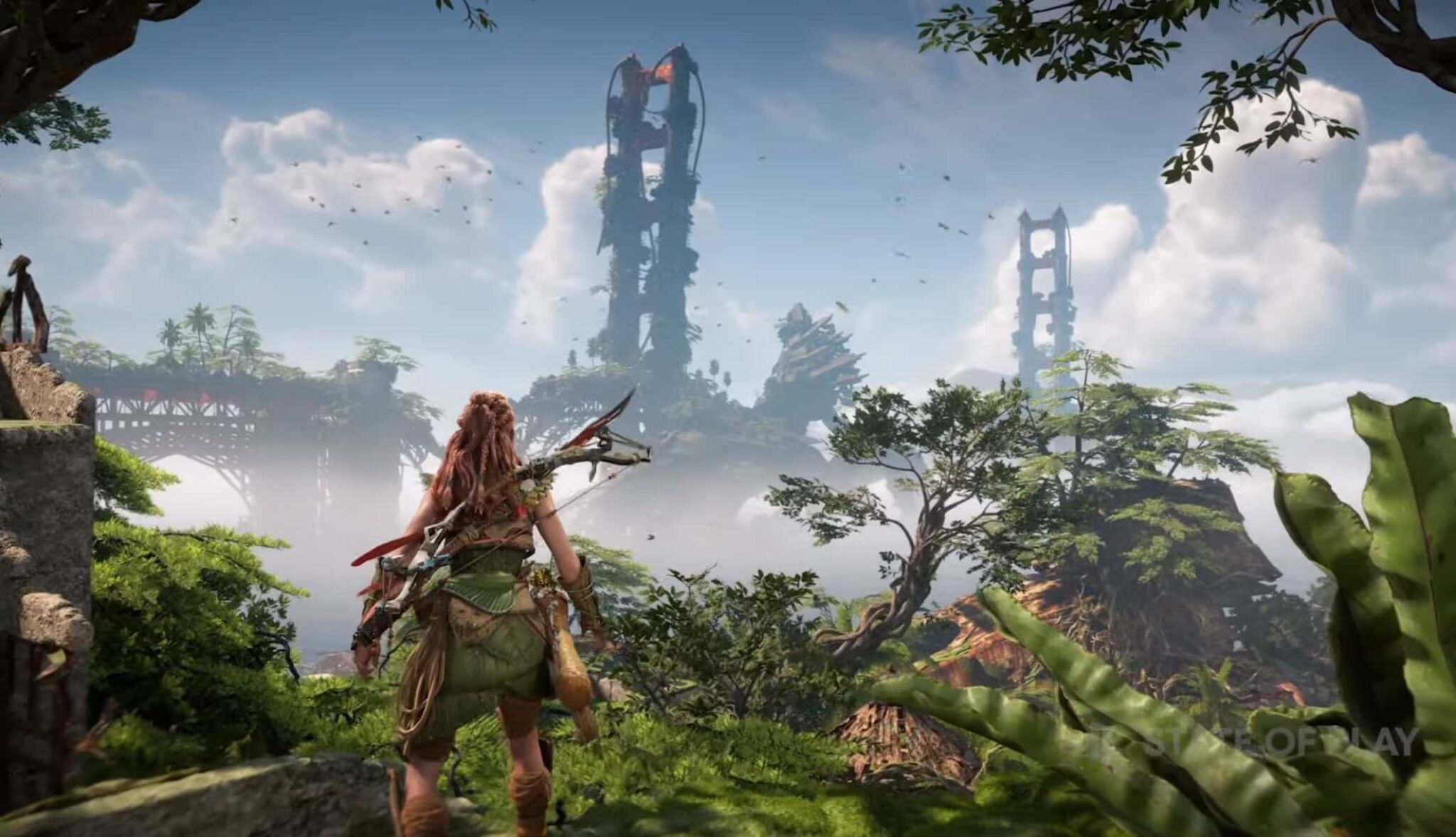
The expansive world of the Horizon series, known for its majestic robotic creatures and a captivating post-apocalyptic narrative, has long delivered on its promise of immersive action role-playing. Horizon Zero Dawn set a high bar, and Forbidden West built impressively on that foundation. So, as fans look ahead to what’s next, expectations are understandably high. Yet, amid the many improvements Forbidden West introduced, one specific combat tweak—the restricted dodge roll—stirred up a fair bit of backlash. Interestingly, there’s an opportunity here: Horizon 3 could address this by borrowing from a genre not typically associated with accessibility—the Soulslike.
Key Takeaways:
- Forbidden West introduced a dodge roll cap (three consecutive rolls), which many players found restrictive compared to Zero Dawn‘s fluid, unlimited dodging.
- Combined with the removal of stealth visibility indicators and the whistle mechanic, this contributed to what some saw as an unbalanced, more punishing combat experience.
- Soulslike games like Elden Ring and Dark Souls use stamina systems to balance movement and combat, adding depth and strategy.
- A similar stamina-based approach in Horizon 3 could preserve challenge while restoring movement freedom, aligning with the franchise’s resource and timing mechanics.
The Unpopular Shift in Forbidden West‘s Combat
At launch, Horizon Forbidden West wowed players with its upgraded visuals, massive open world, and new traversal tools like the grappling hook and Shieldwing. But while those additions felt fresh, other changes—particularly to combat—sparked pushback. Chief among them: the revamped dodge roll.
In Zero Dawn, dodging was simple, responsive, and most importantly, unrestricted. Players could roll to their heart’s content, dancing around machines with agility and precision. This freedom became a cornerstone of how many tackled combat. But in Forbidden West, that flow was interrupted. Suddenly, Aloy could only dodge three times in quick succession before stumbling into a staggered state, completely open to enemy attacks.
Yes, certain armor sets like the Tenakth Vanquisher could stretch that limit a bit—with upgrades, maybe four or five dodges—but the underlying cap remained. Unsurprisingly, fan forums and Reddit threads filled up fast with complaints. The new system felt arbitrary. Instead of enhancing challenge through smarter enemies or terrain use, it felt like an artificial hurdle—a kind of invisible wall wrapped around a core movement mechanic.
And it wasn’t just the dodge roll. The stealth visibility indicator, once a reliable guide in tall grass, vanished. The handy whistle to lure enemies? Gone. While Forbidden West did introduce more robust weapon techniques and Valor Surges to blend melee with ranged attacks, the loss of basic tools dulled the rhythm for some. Many even felt the “Normal” difficulty in Forbidden West mimicked Zero Dawn’s “Ultra Hard.” It’s no exaggeration to say that players who weren’t fully prepped could find themselves quickly overwhelmed.
A Glimpse into the Soulslike Solution
Now here’s where it gets interesting. What if Horizon 3 leaned into the kind of strategic movement seen in Soulslike games? In titles like Dark Souls and Elden Ring, a visible stamina bar dictates nearly every core action—attacks, dodges, blocks, even sprinting. It’s a system built on weight and consequence. Every move drains a finite resource, forcing players to think before they act.
This same principle could elegantly solve Forbidden West‘s dodge issue. Instead of a hard cap, Aloy could dodge freely—each move just costing stamina. It’s a shift from limitation to strategy. Yes, you could roll five or six times, but doing so would drain your stamina, leaving you momentarily vulnerable. It’s a tradeoff. Risk versus reward.
To be clear, no one’s suggesting Horizon turn into a punishing Soulslike experience. Rather, it’s about selectively incorporating a mechanic that enhances tension and player agency. Interestingly, Forbidden West already has a stamina bar—but it’s mostly reserved for flashy weapon techniques. Why not expand its role?
Dodges, melee swings, and even holding a drawn bow could all tap into this shared pool. Sprinting across the battlefield? That too. Suddenly, you’re managing not just ammo and elemental types, but your body’s limits in real time. It’s a layer that adds complexity without sacrificing fun.
Deepening Combat and Resource Management
This type of stamina system wouldn’t be out of place in Horizon. In fact, it would slot neatly into the game’s existing combat design, which already demands thoughtful resource use. You’re always juggling ammo types, elemental weaknesses, traps, and component targeting. Add stamina, and it becomes a more intricate—but still intuitive—dance.
Imagine timing a perfect dodge not just to avoid damage, but to conserve energy for a well-placed arrow. Or planning your sprint path carefully so you don’t burn out right before landing a critical spear hit. The mechanics are already half there. This would just connect the dots more tightly.
Plus, it opens the door for deeper RPG elements:
- Armor Weight and Movement: Heavy armor could slow Aloy down and consume more stamina per dodge. Lighter gear might let her move more freely but offer less protection. It’s a familiar tradeoff that works in many action RPGs.
- Perfect Dodge Window: A well-timed dodge might refund some stamina or trigger a brief buff, incentivizing players to learn machine attack patterns more intimately.
- Weapon-Specific Stamina Costs: Drawing a Sharpshot Bow could be stamina-intensive, while a nimble Hunter Bow might cost less. It’s an elegant way to differentiate loadouts and encourage variety.
These ideas don’t reinvent the wheel. They refine it. By layering stamina atop existing systems, Horizon 3 could turn what felt like a frustrating limitation into a deeply satisfying challenge.
Beyond Combat: Potential for Deeper Immersion
Now, think beyond just combat. A stamina system could even ripple out into other parts of gameplay. Resource gathering, for example—something that’s drawn criticism for being overly frequent—could feel more organic if tied into stamina usage. Quick crafts in the field might take a bit of stamina, hinting at the physical effort involved.
This isn’t about turning Horizon into a survival sim. It’s about cohesion. About systems that reflect and reinforce one another. Right now, resource management and combat sometimes feel like separate spheres. A stamina mechanic could subtly stitch them together.
Even inventory weight could factor in. Carrying a bulky load might impact stamina regen, nudging players to think a bit more about what they haul around. Again—not as a punishment, but as a nudge toward smarter decision-making.
It’s this kind of integration that deepens immersion. And for a franchise like Horizon, where story and gameplay are so intertwined, that matters. A tighter, more responsive combat system elevates everything—from how Aloy feels to control, to how invested players are in her journey.
The Road Ahead for Horizon 3
At this point, Horizon 3 hasn’t been formally announced. But Guerrilla Games has confirmed a new mainline game is coming, alongside a multiplayer spin-off and that long-rumored Netflix adaptation. Rumblings online suggest a 2027 release, with Nemesis—the rogue AI from Burning Shores—likely stepping into the spotlight as Aloy’s next big adversary.
It all points toward a higher-stakes, more intense conflict. And that means the systems players rely on—combat especially—need to keep pace. Guerrilla has shown they’re listening. Post-launch updates to Forbidden West added New Game Plus and a tweaked difficulty setting. They respond to feedback.
Addressing the dodge roll issue with a Soulslike stamina system would be a smart next step. It’s a fix that respects the heart of Horizon while acknowledging where Forbidden West stumbled. More importantly, it would give players a combat system that rewards mastery without stripping away freedom.
With the right balance, Horizon 3 could move from merely challenging to truly memorable in its combat. That, in turn, reinforces everything else—the story, the world, the emotional weight behind each fight. And really, that’s what keeps players coming back.
Frequently Asked Questions (FAQ)
Q1: What was the main issue with the dodge roll in Horizon Forbidden West?
A1: Forbidden West capped dodge rolls at three in a row, followed by a brief stagger. This felt restrictive compared to Zero Dawn, where dodging was unlimited and more fluid.
Q2: How could a Soulslike stamina system improve Horizon 3‘s combat?
A2: It would allow players to dodge as needed, but each action would consume stamina, encouraging thoughtful movement and combat choices. This restores fluidity while adding strategic depth.
Q3: Does Forbidden West already have a stamina system?
A3: Yes, but it’s limited to specific weapon techniques. A Soulslike approach would extend stamina to basic actions like dodging and attacking.
Q4: What other unpopular changes were there in Forbidden West besides the dodge roll?
A4: Players also missed the stealth visibility indicator and the whistle mechanic. Some also found crafting and resource management overly repetitive.
Q5: Will Horizon 3 be a Soulslike game?
A5: Not at all. The idea is to adopt one particular mechanic—the stamina system—to enhance combat, not to overhaul the series’ identity.
Q6: How would a stamina system affect weapon use in Horizon 3?
A6: Different weapons could have unique stamina costs. For example, drawing a heavy bow might drain more stamina than a quick-firing one, adding tactical depth to loadout decisions.