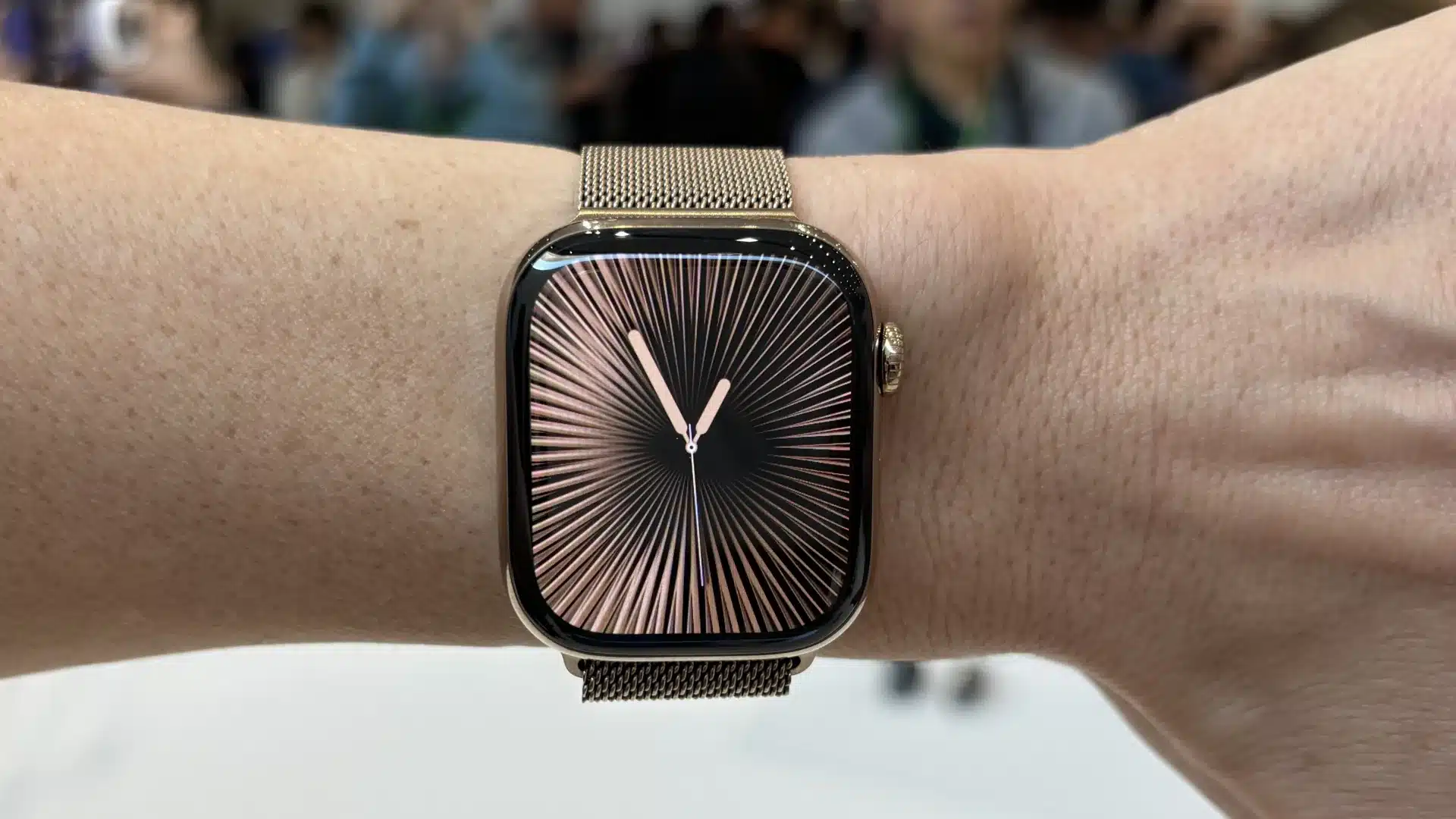
Ten years ago, on April 24, 2015, something arrived that felt a little different. It wasn’t just a smaller iPhone screen strapped to your wrist. It was the Apple Watch. At the time, smartwatches were finding their way, often clunky or limited. The first Apple Watch stepped onto this stage with a focus on quick information glances, notifications, and basic fitness tracking, wrapped in a design that offered different materials and bands, aiming for something personal, even fashionable.
Early reactions varied. Some saw a promising new category; others wondered if it was a solution looking for a problem. It needed an iPhone to do most things, battery life was a daily concern, and its core purpose felt somewhat undefined beyond being a digital wrist companion. Yet, Apple planted a seed that day, one that would grow into a device far more essential to many lives than those early critics might have imagined.
The journey from that first model to the Apple Watch of today is a story of consistent evolution, driven by a clear focus on health and safety. While notifications and convenient access to information remained central, Apple steadily layered in capabilities that transformed the watch from a gadget into a powerful health and safety tool.
The introduction of built-in GPS and water resistance with the Series 2 meant the watch could finally track runs or swims accurately without a tethered iPhone. This was a small but significant step towards independence. The Series 3 added cellular connectivity, a true game-changer. Suddenly, you could leave your phone behind and still receive calls, send messages, stream music, and get help in an emergency. This freedom opened up new ways to use the watch, especially for exercise and staying connected when away from your phone.
But the most profound shifts came with the focus on health sensors. The Series 4, arriving in 2018, brought two major advancements: a larger display that curved elegantly into the body and, crucially, an electrical heart sensor capable of generating an electrocardiogram (ECG). This was a feature usually found in medical equipment, now accessible from your wrist. Alongside this came irregular heart rhythm notifications, which could alert users to potential signs of atrial fibrillation, a serious heart condition. The Series 4 also debuted greatly improved accelerometers and gyroscopes, enabling Fall Detection. If the watch sensed a hard fall and the wearer remained motionless, it could automatically call emergency services. These features weren’t just incremental updates; they were potentially life-saving.
Subsequent generations built upon this foundation. The Always-On display arrived with the Series 5, meaning you didn’t have to raise your wrist to see the time or your complications – a seemingly simple change that made the watch feel more like a traditional timepiece while retaining its smart capabilities. The Series 6 introduced a blood oxygen sensor, offering users another metric to monitor their overall wellness.
Design refinements continued, with larger, more durable displays on the Series 7 and Series 8. The Series 8 also added a temperature sensor, primarily designed for providing retrospective ovulation estimates and enhancing cycle tracking, adding a layer of health monitoring specifically for women. Crash Detection, using updated motion sensors and algorithms, arrived on the Series 8 and later models, including the first Apple Watch Ultra, capable of detecting a severe car crash and automatically contacting emergency services if the user is unresponsive.
The Apple Watch Ultra, launched in 2022 and updated in 2023, pushed the boundaries further, targeting endurance athletes, hikers, and divers with a larger, more rugged titanium case, a brighter display, multi-band GPS for greater accuracy in challenging environments, a programmable Action button, and enhanced water resistance with a depth gauge. It demonstrated Apple’s ambition to cater to more specific, demanding use cases while retaining the core Apple Watch experience.
Underpinning these hardware advancements is watchOS, the operating system that powers the watch. Over its many iterations, watchOS has evolved significantly, gaining a dedicated App Store, new watch faces offering more personalization, improved fitness tracking metrics and workout types, sleep tracking, medication reminders, and mindfulness features. It has become a mature platform, supporting a wide range of applications that extend the watch’s utility far beyond its original scope.
The impact of the Apple Watch stretches beyond personal use. It reshaped the wearable market, setting a high standard for features, design, and ecosystem integration. While competitors offer compelling alternatives, the Apple Watch has consistently remained a market leader in terms of shipments, demonstrating its broad appeal. It spurred other companies to increase their focus on health and fitness tracking in their own devices.
More importantly, the Apple Watch fostered a new relationship between people and their personal health data. By putting sensors on the wrist and presenting the information clearly in the Health app on the iPhone, it empowered users to track their activity levels, monitor their heart health, understand their sleep patterns, and share that data with healthcare providers if they choose. The stories of the Apple Watch detecting previously unknown heart conditions or calling for help after a fall or crash are numerous and powerful, illustrating the tangible impact of these features on individual lives.
Looking back over ten years, the Apple Watch’s journey is one of quiet transformation. It started as an interesting accessory, a convenient way to interact with your phone from your wrist. Through consistent hardware and software development, driven by a growing emphasis on health, safety, and independence, it has become something far more significant for millions of people. It’s not just a device that tells time or shows notifications; for many, it’s a trusted companion that encourages movement, helps manage health, and provides a crucial link to help when it’s needed most. The little screen on your wrist has become deeply integrated into daily routines, proving that perhaps the most powerful technology is the one that connects most closely with our personal well-being.