Samsung’s Galaxy S series has a new member: the Galaxy S25 Edge. This addition, introduced after the initial Galaxy S25 and S25 Plus reveal, marks a strategic move by the company. Its arrival has sparked conversations about the future of the Galaxy S25 Plus, a model that has traditionally served as a bridge between the standard S series and the top-tier Ultra version.
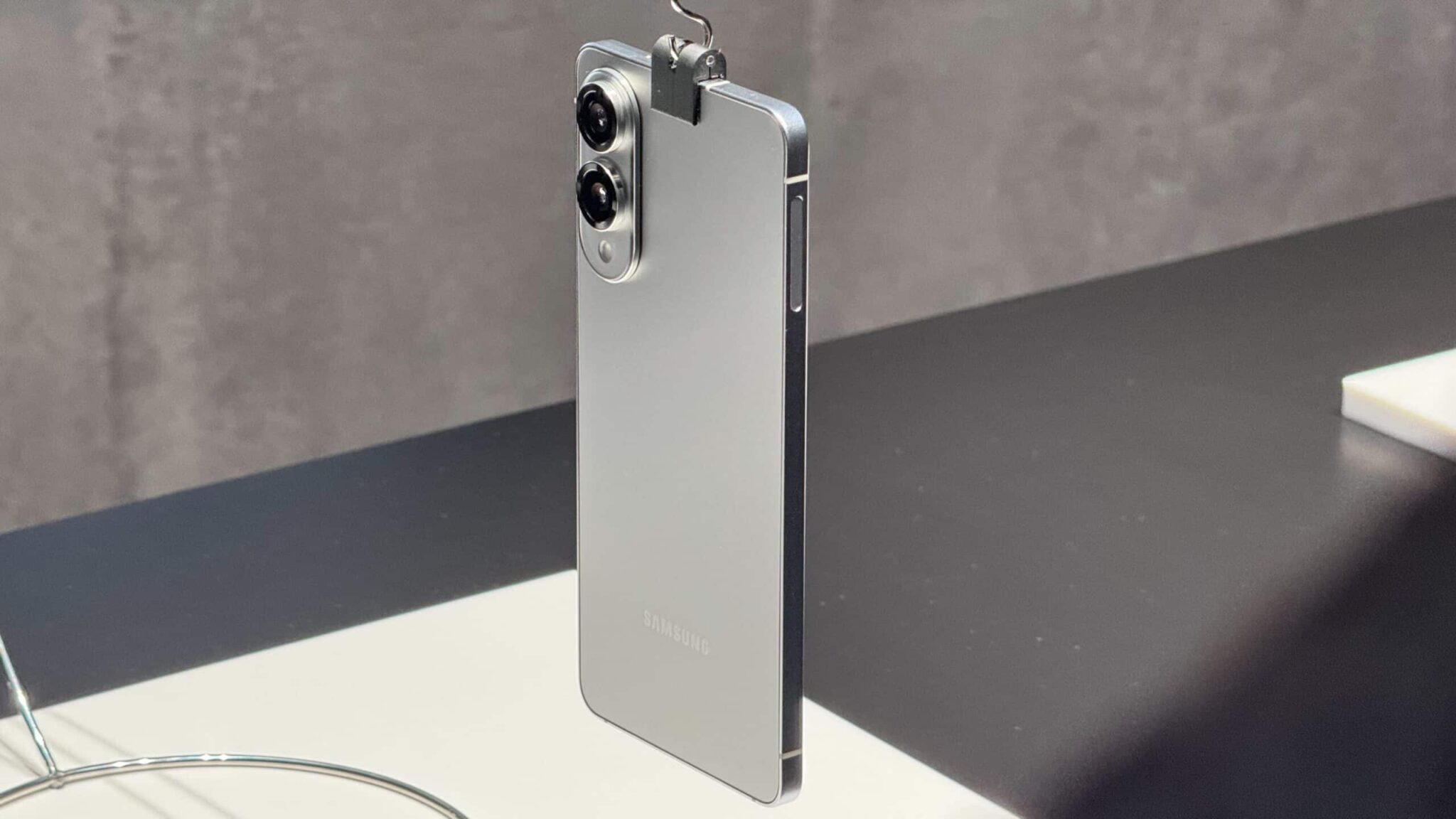
The Galaxy S25 Edge made its global debut on May 13, 2025. It is positioned as a distinct offering within the S25 lineup. This new model is notably thin, measuring just 5.8mm, and weighs 163 grams. This makes it Samsung’s slimmest Galaxy S device to date. Such a design choice points to a deliberate effort by Samsung to diversify its flagship offerings.
A Slimmer Vision for Premium Phones
For years, smartphones have trended towards larger sizes and increasing thickness, often due to larger batteries and more cameras. The Galaxy S25 Edge goes against this trend. Its design focuses on a thin profile and light weight. This makes it comfortable to hold and carry.
Key design elements of the S25 Edge:
- Dimensions: 5.8mm thick, 163 grams in weight.
- Materials: Titanium frame, Gorilla Glass Ceramic 2 on the front, Gorilla Glass Victus 2 on the back.
- Display: 6.7-inch AMOLED, 3120 x 1440 resolution, 120Hz refresh rate.
This emphasis on a thin body and premium materials suggests Samsung wants to appeal to consumers who prioritize aesthetics and portability without sacrificing high-end specifications.
Technical Capabilities of the S25 Edge
Despite its slender build, the Galaxy S25 Edge packs considerable power. It runs on the Qualcomm Snapdragon 8 Elite Mobile Platform, paired with 12GB of RAM. Storage options include 256GB and 512GB variants.
Camera specifications are strong, featuring a 200-megapixel primary sensor with optical image stabilization (OIS) and a 12-megapixel ultra-wide camera. The front camera is a 12-megapixel unit. This camera setup, while capable, does omit a telephoto lens, a feature often found in other premium phones.
The S25 Edge also includes Galaxy AI features, allowing for various real-time interactions and photo editing capabilities. It carries an IP68 rating for dust and water resistance, a standard for Samsung’s high-end phones.
The Plus Model’s Place in Question
The introduction of the Galaxy S25 Edge puts the Galaxy S25 Plus in a new light. Historically, the Plus model provided a larger screen and battery compared to the base S model, without reaching the higher price point or advanced camera features of the Ultra. It served as a middle option.
With the S25 Edge now offering a large 6.7-inch display, a powerful processor, and a distinct thin design, its appeal overlaps with the S25 Plus. The S25 Plus, with its 6.7-inch QHD+ display and 4900 mAh battery, still holds its own. However, the Edge’s unique selling points – its ultra-slim profile and fashion-forward appeal – create a strong alternative.
For some consumers, the choice between the S25 Plus and the S25 Edge might come down to subtle preferences. The S25 Edge, with its slimmer build, sacrifices some battery capacity (3900mAh) compared to the S25 Plus, which has a 4900mAh battery. This battery difference could be a deciding factor for users who prioritize battery life above all else. However, for those seeking a stylish, light device that stands out, the Edge presents a compelling case.
Market Dynamics and Samsung’s Strategy
Samsung’s decision to introduce a fourth model in the S25 series suggests a strategy to capture a wider range of premium segment buyers. The smartphone market is competitive, with manufacturers seeking to differentiate their offerings. By adding the S25 Edge, Samsung addresses a niche for consumers who desire a large-screen, powerful phone that is also remarkably thin and light.
This approach could allow Samsung to appeal to users who find the Ultra models too bulky or expensive, and the standard S25 too small, but are also looking for something more distinct than the traditional Plus model. It indicates Samsung is exploring design variations to keep its lineup fresh and relevant.
Analysts suggest that Samsung is adapting its approach to the smartphone market. While remaining a leader in overall market share, Samsung is also focusing on profitability and refining its existing product lines. The introduction of the S25 Edge aligns with this by targeting a specific consumer desire for sleek, high-performance devices.
What This Means for Consumers
The addition of the S25 Edge gives consumers more choice within the premium segment. Users who once considered the S25 Plus for its larger screen size might now weigh it against the S25 Edge for its unique design and portability.
The pricing of the S25 Edge also positions it strategically. Reports indicate it may be priced between the S25 Plus and the S25 Ultra, making it an accessible premium option. For example, in India, the S25 Edge is priced between Rs 1.09 lakh and Rs 1.22 lakh.
The market response to the S25 Edge will ultimately determine its long-term impact on Samsung’s S series lineup. If the Edge proves popular, it could signal a shift in consumer demand towards thinner devices, possibly affecting the demand for the S25 Plus. The S25 Plus may continue to serve a segment that values a balance of screen size, battery life, and traditional form factor, but it will face direct competition from the new, distinct Edge model.
Samsung has begun manufacturing the Galaxy S25 Edge in India, indicating a strong commitment to its global availability. This local production also highlights the importance of the Indian market for Samsung’s overall strategy.
The Galaxy S25 Edge represents a step by Samsung to push design boundaries while maintaining high performance. Its presence in the S25 lineup could reshape consumer expectations for premium smartphones, potentially leading to a re-evaluation of the long-standing Plus model’s role.