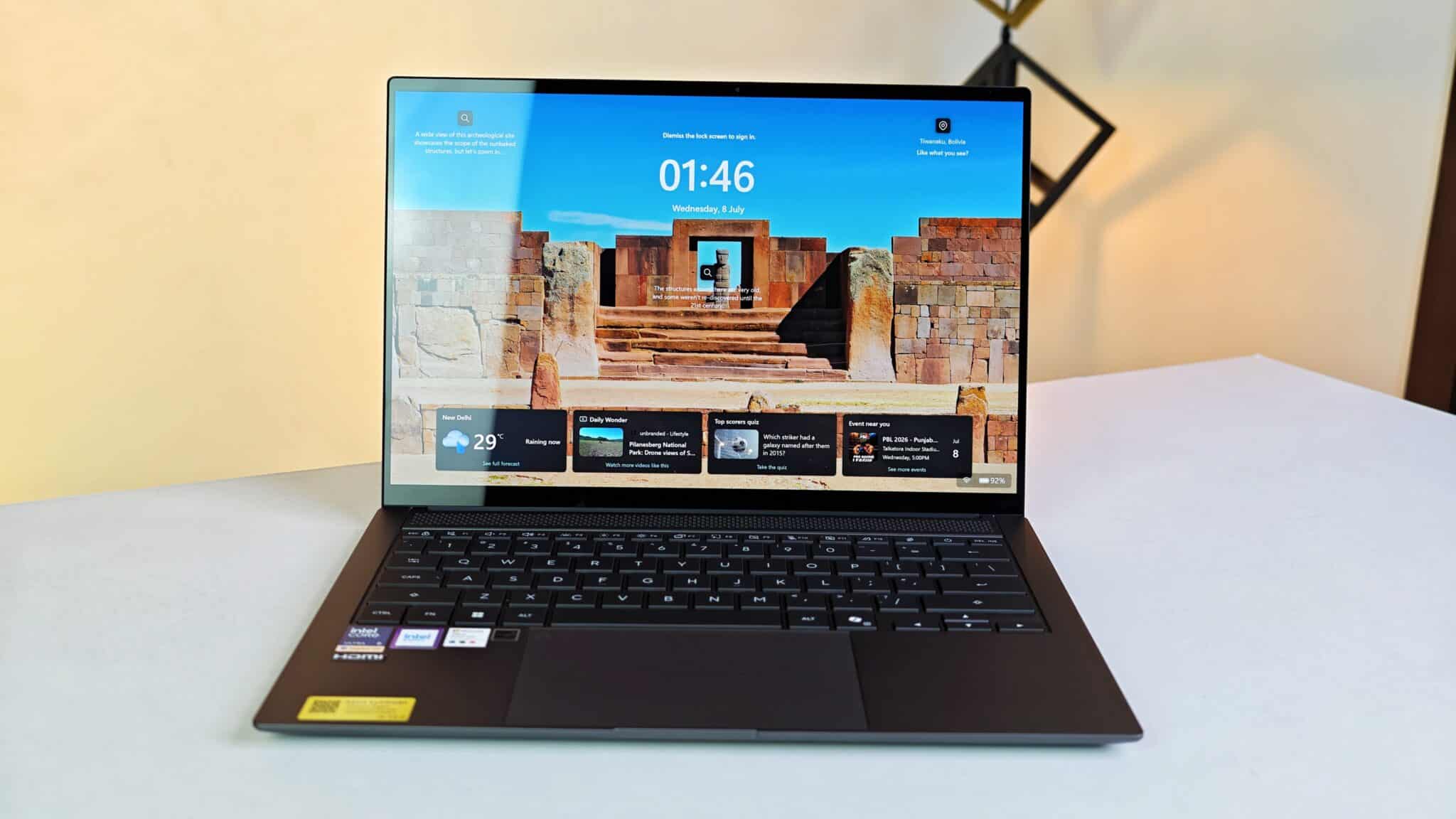


Not very long ago, a child’s first laptop was often purchased when school requirements made it necessary. Today, many families begin considering that decision much earlier.
A student may need a laptop for research, assignments and presentations. At the same time, the same device may also be used to attend online classes, explore coding tutorials, learn a new language or pursue a creative hobby outside school hours.
Parents are not evaluating a device only for the next academic session. They are thinking about how it will fit into a child’s development over the next few years.
The Question Is No Longer Just About Studies
One of the biggest shifts is that a laptop is no longer seen as an academic purchase alone. Increasingly, it is being seen as a gateway to exploration.
Whether it is learning a new skill, experimenting with coding, exploring design tools or discovering educational content beyond the classroom, a laptop often becomes the first platform through which children begin pursuing interests independently. For many families, that possibility now carries as much weight as traditional academic requirements.
Parents Are Looking for Simplicity
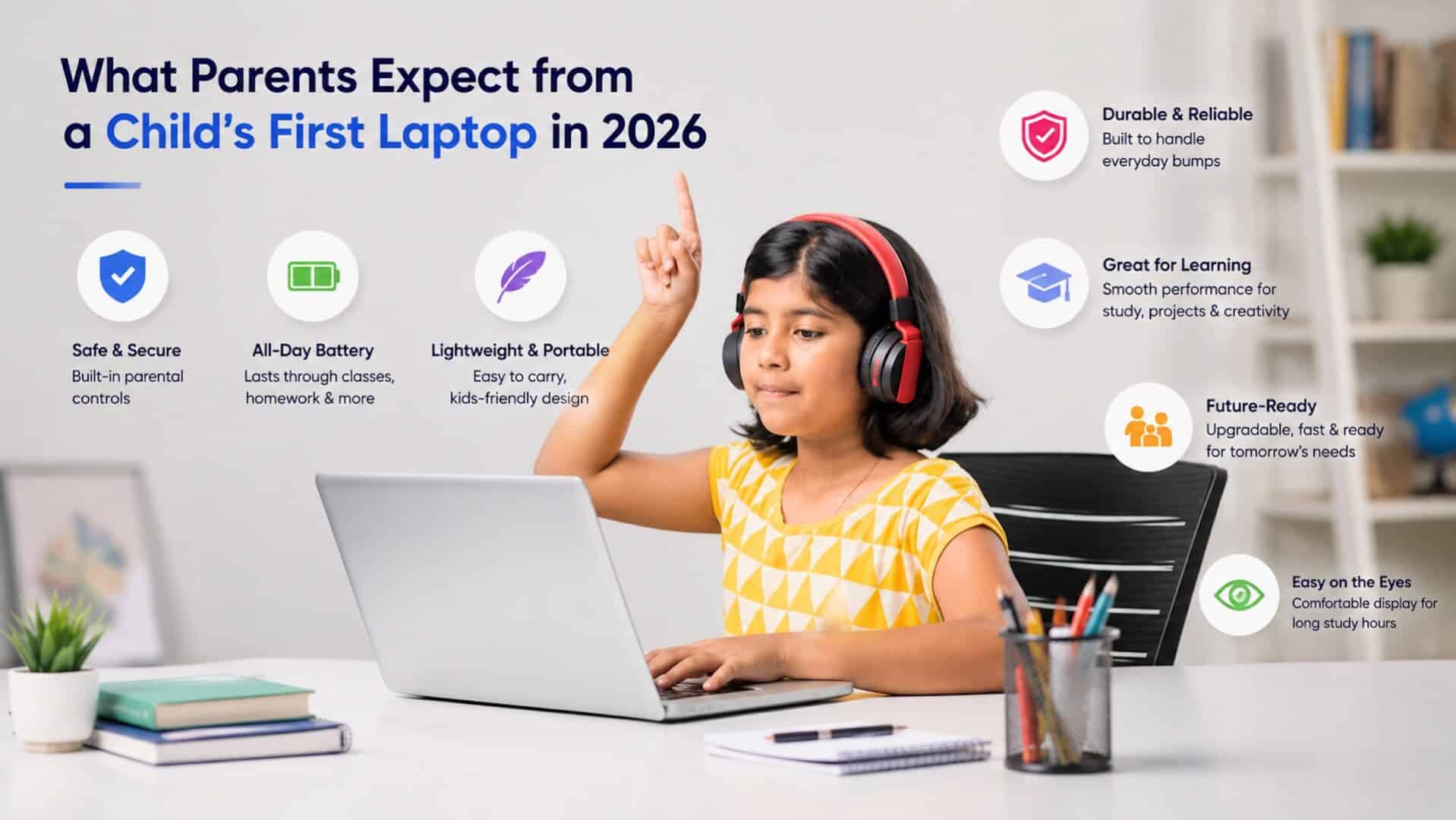
Many parents are not looking for a device that does everything. They are looking for one that a child can start using comfortably.
For children, the first laptop often becomes their first independent technology experience. Parents increasingly recognise that if a device feels difficult to navigate, confidence can be lost before learning even begins. Simplicity, therefore, becomes less about convenience and more about enabling early confidence.
This is one reason usability has become such an important consideration. A laptop should help students access information, organise work and complete tasks without creating unnecessary hassle.
Thinking Beyond Immediate Requirements
Another noticeable change is that in many ways, parents are making a decision about potential rather than present needs.
Questions about long-term usefulness are becoming common. Families want to understand whether a device will continue supporting the changing educational requirements as students move from one stage of learning to the next.
The expectation is not simply that a laptop should work today. The expectation is that it should remain relevant as interests expand, workloads increase and new opportunities emerge.
Digital Safety Is Part of Everyday Parenting
As children spend more time online, digital safety is becoming a regular household conversation.
This is not only about protecting devices. It is also about helping the children develop healthy habits around technology use. Parents want them to learn how to navigate digital environments responsibly, manage distractions and use technology with the purpose.
Increasingly, digital literacy is being viewed as an extension of parenting itself. Beyond academics, parents want children to understand how to use technology responsibly, evaluate information critically and develop healthy digital habits from an early age.
Confidence Often Starts with Small Experiences
One aspect that often goes unnoticed is the role technology plays in building confidence. For a child, independently completing a presentation, finding information for a project or learning a new skill online can create a sense of capability that extends beyond the screen itself.
Over time, these small experiences often shape how comfortable young people are with technology in education, future careers and everyday life.
Looking Ahead
The expectations surrounding a child’s first laptop are becoming more thoughtful as technology plays a big role in education and personal development.
Families are no longer choosing devices only for immediate academic requirements. They are considering how technology can support exploration, skill development, responsible usage and growing independence over time.
At Primebook, we see this reflected in the conversations with parents across the country. As technology becomes increasingly woven into how young people learn, create and discover opportunities, the conversation around a child’s first laptop is naturally becoming more thoughtful. The most valuable devices are no longer simply the ones that meet academic requirements today, but the ones that help young learners explore independently, build confidence and adapt to a world where learning increasingly extends beyond the classroom.
The article has been authored by Aman Verma, COO & Co-Founder, Primebook India.