

The Union Finance Ministry announced a 0.4% merchant discount rate on person-to-merchant Unified Payments Interface transactions exceeding 2,000 rupees. Personal transfers between individuals remain free regardless of value, and payments up to 2,000 rupees carry no charges. The new rules set an upper fee cap of 300 rupees for transactions of 75,000 rupees and above, aiming to cover network infrastructure costs for banks and payment service providers while protecting retail users from extra costs.
Key Takeaways
- Person-to-person money transfers remain free of cost for all citizens.
- The 0.4% merchant discount rate applies only to business transactions exceeding 2,000 rupees.
- Commercial transactions at or above 75,000 rupees carry a maximum fee limit of 300 rupees.
- Essential segments like fuel, utilities, and education pay a flat fee of 5 rupees per transaction above 2,000 rupees.
- Over 96% of daily retail transactions fall below the threshold and remain free of merchant charges.
How the new charges work
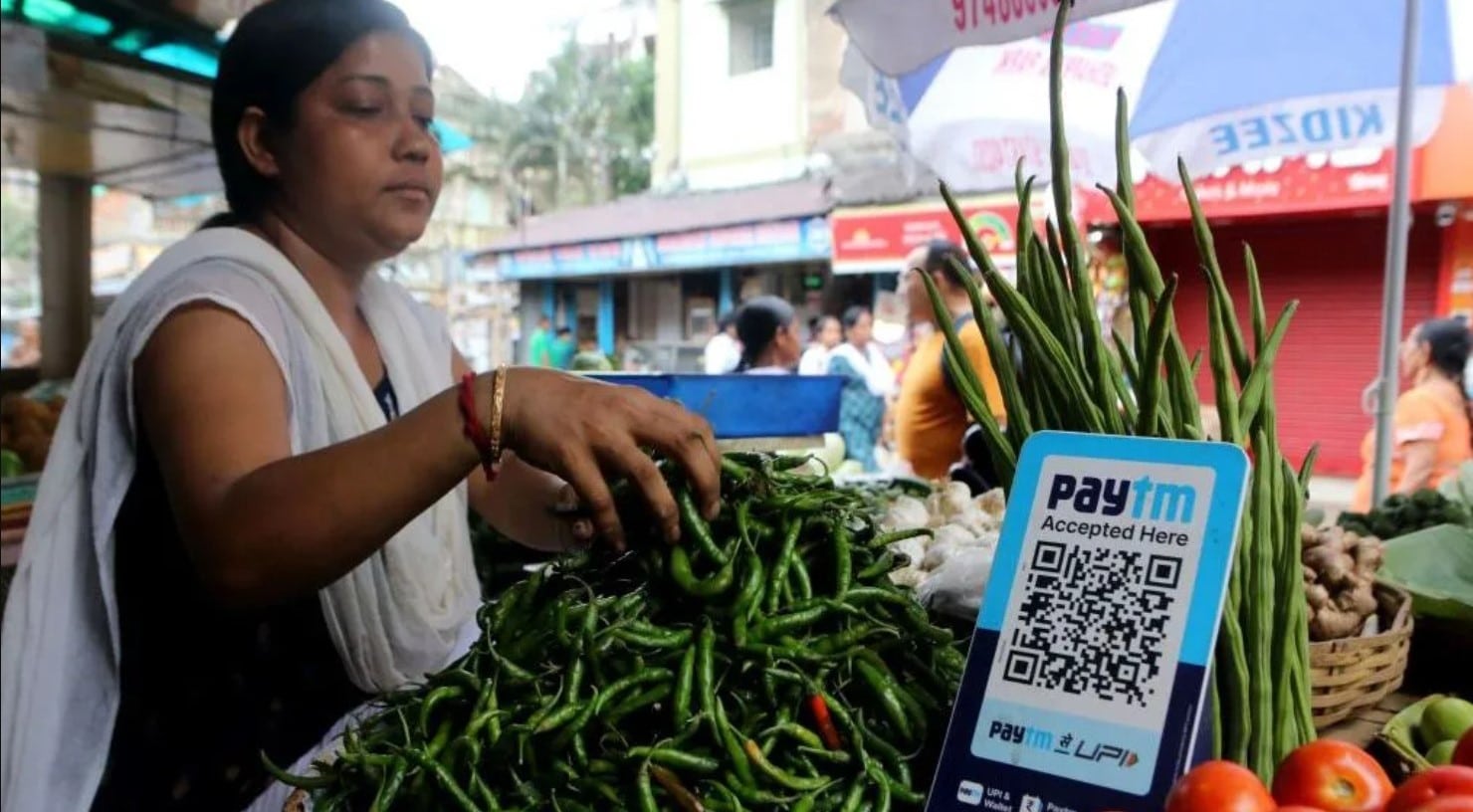
The National Payments Corporation of India, the umbrella body that manages retail payment systems, clarified that ordinary consumers pay nothing when scanning a QR code at a store. The merchant bears the fee, similar to traditional point-of-sale card machines. Standard credit card processing rates range between 1.5% and 2.5%, making the 0.4% rate substantially lower than older payment rails.
For high-volume sectors with thin margins, including railway ticketing, telecommunications, electricity utilities, school fees, and farm supplies, the government replaced the percentage charge with a flat rate of 5 rupees per transaction above 2,000 rupees. The National Payments Corporation of India also directed that 5% of all collected fees will fund incentives for small rural retailers to retain digital setup.
Industry reaction and retail impact
Fintech companies like PhonePe and Paytm, alongside major lenders such as State Bank of India and HDFC Bank, have long asked for a viable revenue model. Server maintenance, software security updates, and fraud management cost banks billions of rupees each quarter. Operating the central digital highway without revenue strained commercial balance sheets, forcing the government to provide annual budgetary subsidies.
Trade associations express worry that larger shop owners may pass costs to buyers. Some electronics retailers and jewelry merchants fear the fee will reduce margins on big ticket sales. If a customer buys a refrigerator worth 40,000 rupees, the shopkeeper pays 160 rupees in fees. Industry experts warn that certain businesses might push consumers back toward cash or direct bank transfers for expensive items to evade the deduction.
The Reserve Bank of India maintains that long-term system stability requires self-funding channels. By exempting transactions under 2,000 rupees, neighborhood vegetable vendors, local tea stalls, and grocery stores face zero deduction. This structure preserves daily cashless habits for millions while helping banks invest in server capacity and customer service.
Frequently Asked Questions
Q1. Will customers pay extra money when sending UPI payments?
A1. No. Customers pay no fees for personal transfers or merchant payments. Only merchants face the 0.4% charge on qualifying sales.
Q2. What is the merchant fee on a transaction of 500 rupees?
A2. The fee is zero rupees because the charge applies only to merchant transactions above 2,000 rupees.
Q3. What is the maximum fee a merchant pays on large purchases?
A3. The fee is capped at 300 rupees for transactions of 75,000 rupees and above.
Q4. Do utility bills and fuel purchases carry the 0.4% rate?
A4. No. Utility bills, fuel, rail tickets, and educational fees above 2,000 rupees carry a flat charge of 5 rupees.