

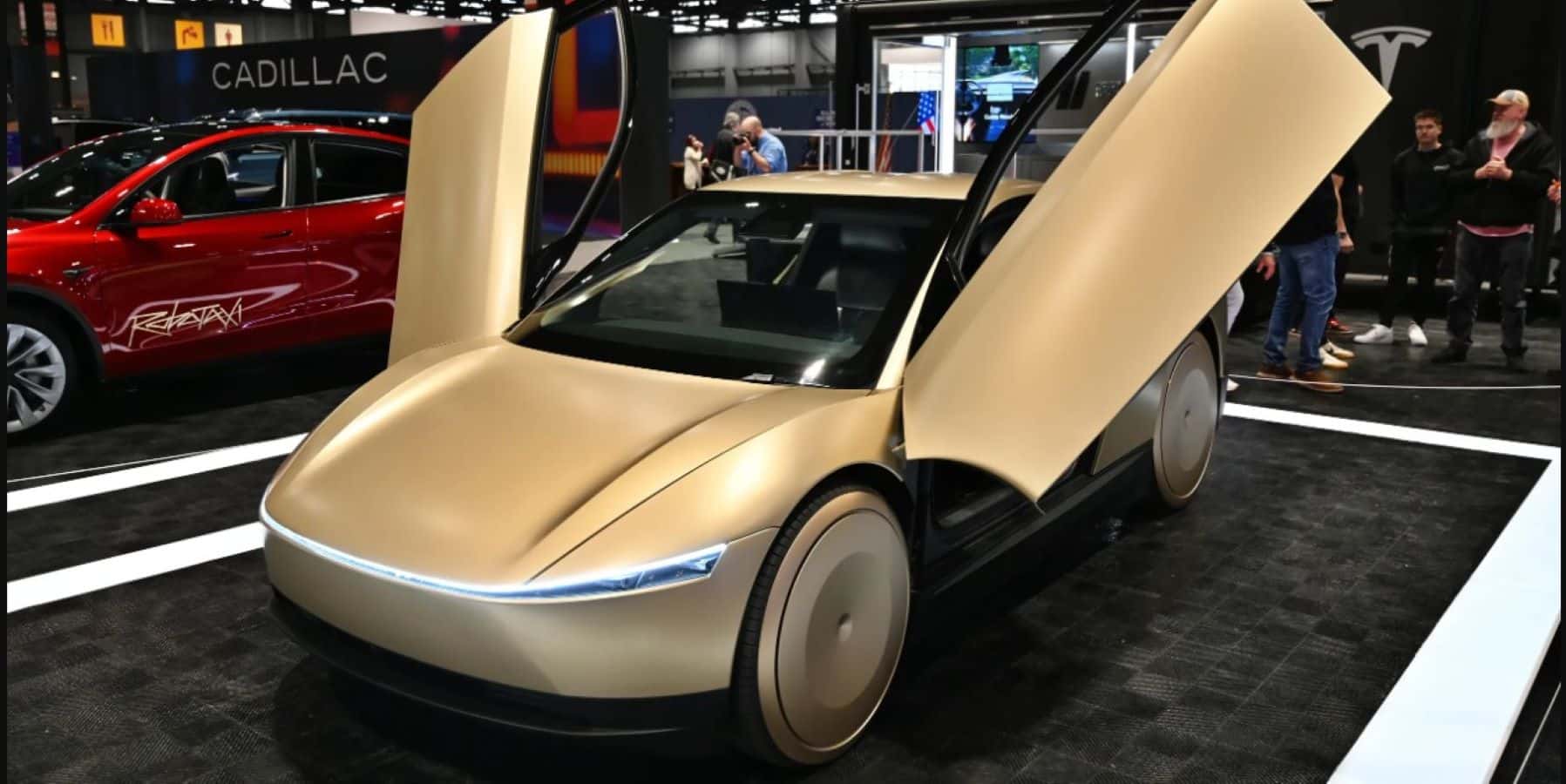
Tesla has officially begun initial street trials of its driverless robotaxi, known as the Cybercab, across select parts of Manhattan and Queens. The move brings the Austin-based electric vehicle maker into direct testing on some of the most congested roads in the United States. Unlike standard Tesla vehicles that use driver-assist features with human backup, the Cybercab operates without a steering wheel, pedals, or traditional cockpit controls, relying entirely on the company’s camera-based Full Self-Driving system.
Key Takeaways
- Tesla deploys custom Cybercab test units across designated test corridors in New York City.
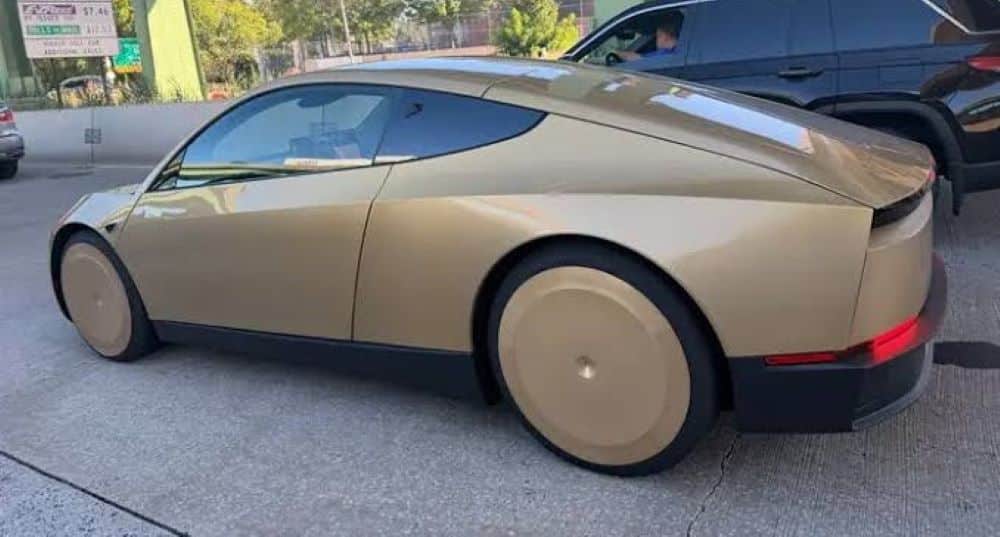
- The vehicle runs without a steering wheel, accelerator pedal, brake pedal, or rear window.
- Charging works strictly through inductive wireless pads rather than standard plug-in ports.
- Rides currently operate with safety monitors on board to fulfill state vehicle regulatory requirements.
- Tesla targets commercial passenger service at an operating cost near 20 cents per mile.
Hardware Setup and Design
The Cybercab seats two passengers and features upward-opening butterfly doors. Tesla stripped out common mechanical components to reduce manufacturing overhead. There are no side mirrors; outward visibility relies on exterior cameras that feed live visual streams into the central compute system.
Inside, the cabin features a single 21-inch touchscreen mounted in the center, identical in software style to modern Tesla sedans. Passengers use the display to select routes, adjust air conditioning, and track ride progress.
Tesla removed the standard charge port entirely. The Cybercab relies on automated wireless inductive charging pads installed at fleet depots. Power transfers through a receiver plate underneath the car chassis, meaning no person needs to plug a cable into the vehicle between trips.
Navigating City Congestion
Navigating New York City traffic presents distinct physical hurdles. Potholes, double-parked delivery vans, bicycle couriers, and unpredictable foot traffic make Manhattan roads far more complex than the open suburban grids of Phoenix or Austin.
Tesla continues to stick with an optical vision-only approach. Competitors like Alphabet’s Waymo run high-cost sensor suites featuring lidar and radar pucks on their vehicle roofs. Tesla instead routes feeds from eight high-resolution cameras directly to its onboard inference computer. The software processes visual data through neural networks trained on millions of miles of consumer driving video.
State regulators currently mandate that Tesla keep an operations technician inside the car during all public road hours. City transport agencies continue to review ride safety protocols before granting full commercial passenger permits.
Frequently Asked Questions
Q1. Does the Tesla Cybercab have a steering wheel?
A1. No. The Cybercab has no steering wheel, brake pedal, accelerator pedal, or manual driving controls.
Q2. How do passengers charge the vehicle?
A2. The car does not plug in. It charges through wireless inductive pads built into designated ground stations.
Q3. Can regular consumers buy a Cybercab today?
A3. No. Tesla is testing the vehicle for dedicated fleet services, with plans to open private consumer purchases later for around $30,000.
Q4. Who are the main competitors to Tesla Cybercab?
A4. Waymo and Amazon-backed Zoox are the main autonomous fleet competitors operating commercial driverless rides in major US cities.