

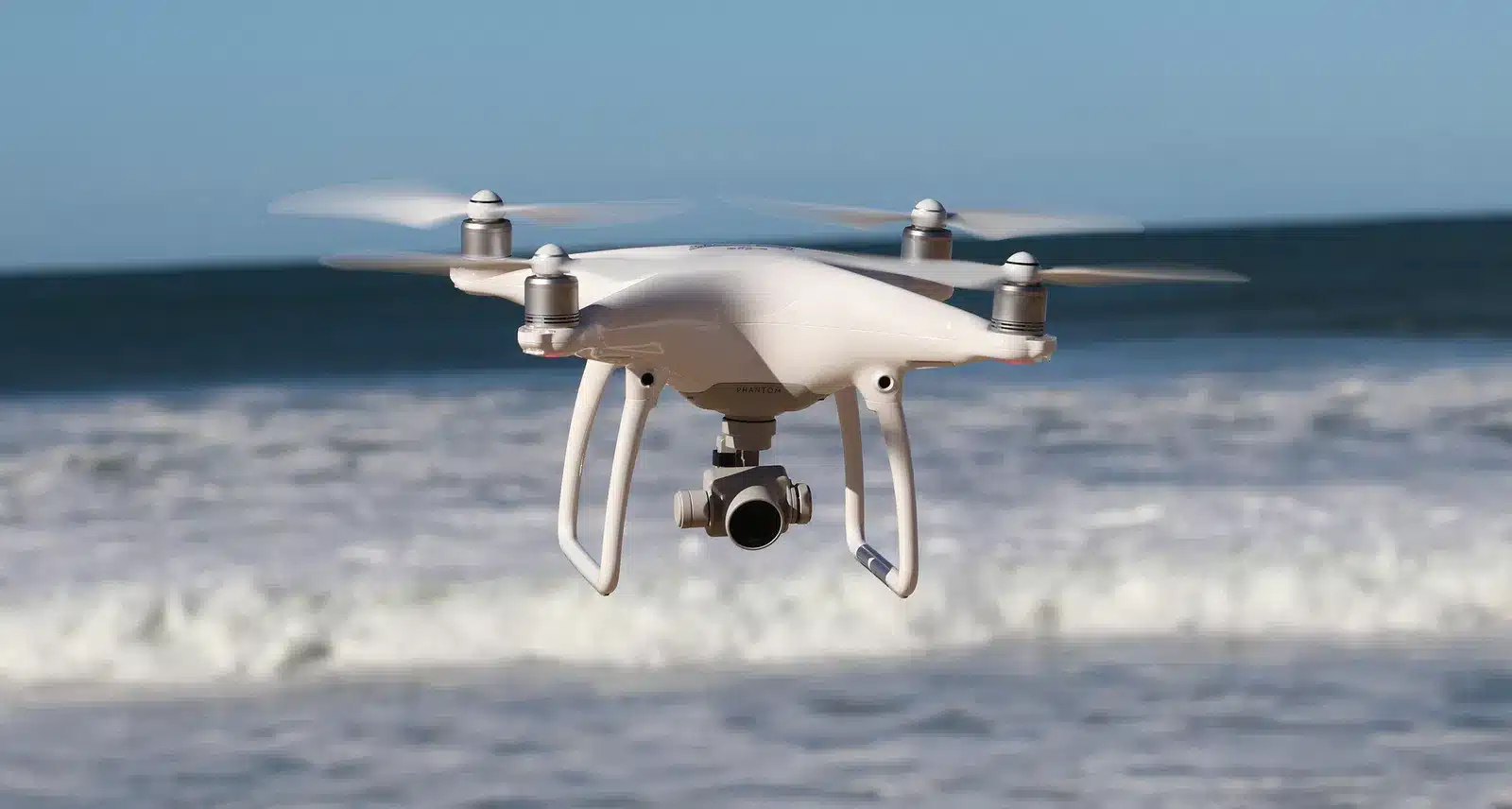
For years, the distinctive white shape of the DJI Phantom 4 and Phantom 4 Pro has dotted the skies, capturing breathtaking aerial photos and cinematic videos for hobbyists and professionals alike. These drones weren’t just gadgets; they were the wings that lifted countless creative visions off the ground, becoming trusted companions on adventures and critical tools for businesses. But time, as it always does, marches on, and even the most iconic technology reaches an end to its supported life. DJI, the world leader in consumer drones, has announced it will officially suspend service and support for the Phantom 4 series on June 1, 2025.
This news marks a significant moment for the drone community. The Phantom 4, released in March 2016, followed by the Phantom 4 Pro later that year and subsequent Advanced and Pro V2.0 versions, represented a leap forward in consumer drone technology. Features like obstacle avoidance, ActiveTrack subject tracking, and a powerful camera capable of shooting 4K video made professional-grade aerial imaging accessible to a much wider audience. For many, a Phantom 4 was their first serious drone, the machine that opened up a new perspective on the world.
Owning a Phantom 4 or Phantom 4 Pro meant reliability and access to DJI’s support network for technical issues, repairs, and firmware updates that kept the drone flying safely and performing optimally. The official end of this support changes the landscape for owners. After June 1, 2025, if your Phantom 4 develops a technical glitch, requires a repair, or encounters a software bug, you will no longer be able to rely on DJI for assistance. This includes access to official repair centers and potentially critical firmware updates needed for performance or compliance with evolving regulations like Remote ID in some regions.
The decision, while perhaps not a surprise given the tech industry’s product cycles, still hits hard for the dedicated pilots who continue to fly these capable machines. Think of the landscape photographer who planned entire shoots around their Phantom 4 Pro’s stunning 20MP 1-inch sensor, or the small real estate business that relied on their Phantom 4 for property aerials. These drones have been workhorses, delivering results consistently for years.
DJI states that this move is a natural part of the product lifecycle. As technology advances and user needs shift, companies reallocate resources to develop and support newer generations of products. The drone market has moved towards more portable, foldable designs like the Mavic series, which now offer comparable or even superior camera capabilities and flight performance in a much smaller form factor. Maintaining service infrastructure and stocking parts for older models becomes less feasible over time. Production of the last Phantom 4 series drones reportedly ceased around 2018, meaning these aircraft are already several years out of manufacture.
So, what does this mean if you currently own a Phantom 4, Phantom 4 Advanced, Phantom 4 Pro, or Phantom 4 Pro V2.0? Crucially, the drones themselves do not stop working on June 1, 2025. You can still fly your drone, use its camera, and access its existing features. The change is the cessation of official support. This is similar to how an older smartphone or computer might no longer receive operating system updates or manufacturer support, but remains functional.
However, the lack of official support introduces potential challenges. Should a component fail – a motor, a gimbal, a sensor, or even the battery – getting an official repair or replacement part directly from DJI will no longer be an option. This is where the emotional impact comes in. Many owners have a deep connection with their Phantoms. They’ve shared incredible experiences together, captured irreplaceable memories, and perhaps even built businesses around their capabilities. The thought of their reliable aerial partner becoming unusable due to a lack of parts can be genuinely frustrating and disappointing.
For those who rely on their Phantom 4 for professional work, this presents a more immediate concern. A grounded drone means lost income and potentially the need for a significant investment in newer equipment sooner than planned. While third-party repair services might emerge or already exist, their reliability and access to quality parts can vary significantly.
Pilots should consider their options before the June 1, 2025 deadline arrives. Stocking up on essential spare parts like propellers and batteries might offer a temporary buffer. However, for more complex issues, the path forward becomes less clear.
This transition also highlights the rapid pace of technological advancement in the drone industry. The features that made the Phantom 4 series groundbreaking – obstacle sensing, intelligent flight modes, high-quality cameras – are now standard, and often improved upon, in much smaller and more affordable drones. Newer models boast longer flight times, more advanced obstacle avoidance systems, and even more sophisticated camera technology.
For many Phantom 4 owners, the end of support might serve as a catalyst to explore these newer options. Upgrading to a Mavic 3 Pro, Air 3, or even a Mini 4 Pro could offer enhanced capabilities, continued manufacturer support, and compliance with the latest regulations. While the initial cost of a new drone is a factor, the peace of mind that comes with full support and the benefits of modern technology can outweigh the expense, especially for those who use their drones frequently or professionally.
The Phantom 4 series leaves a significant legacy. It democratized aerial imaging and inspired a generation of drone pilots and aerial creators. Its iconic design is instantly recognizable, a symbol of the burgeoning consumer drone era. While DJI is moving on, the impact of the Phantom 4 on the industry and the memories it helped create for its users will endure.
The end of official support is a practical business decision for DJI, driven by the natural evolution of technology and product lifecycles. For the thousands of Phantom 4 owners around the world, it marks a transition point. It encourages a realistic assessment of their drone’s future and prompts consideration of what comes next, whether that involves seeking third-party support or embracing the capabilities of newer aircraft. The skies won’t be empty of Phantoms overnight, but their era of official manufacturer backing is drawing to a close.