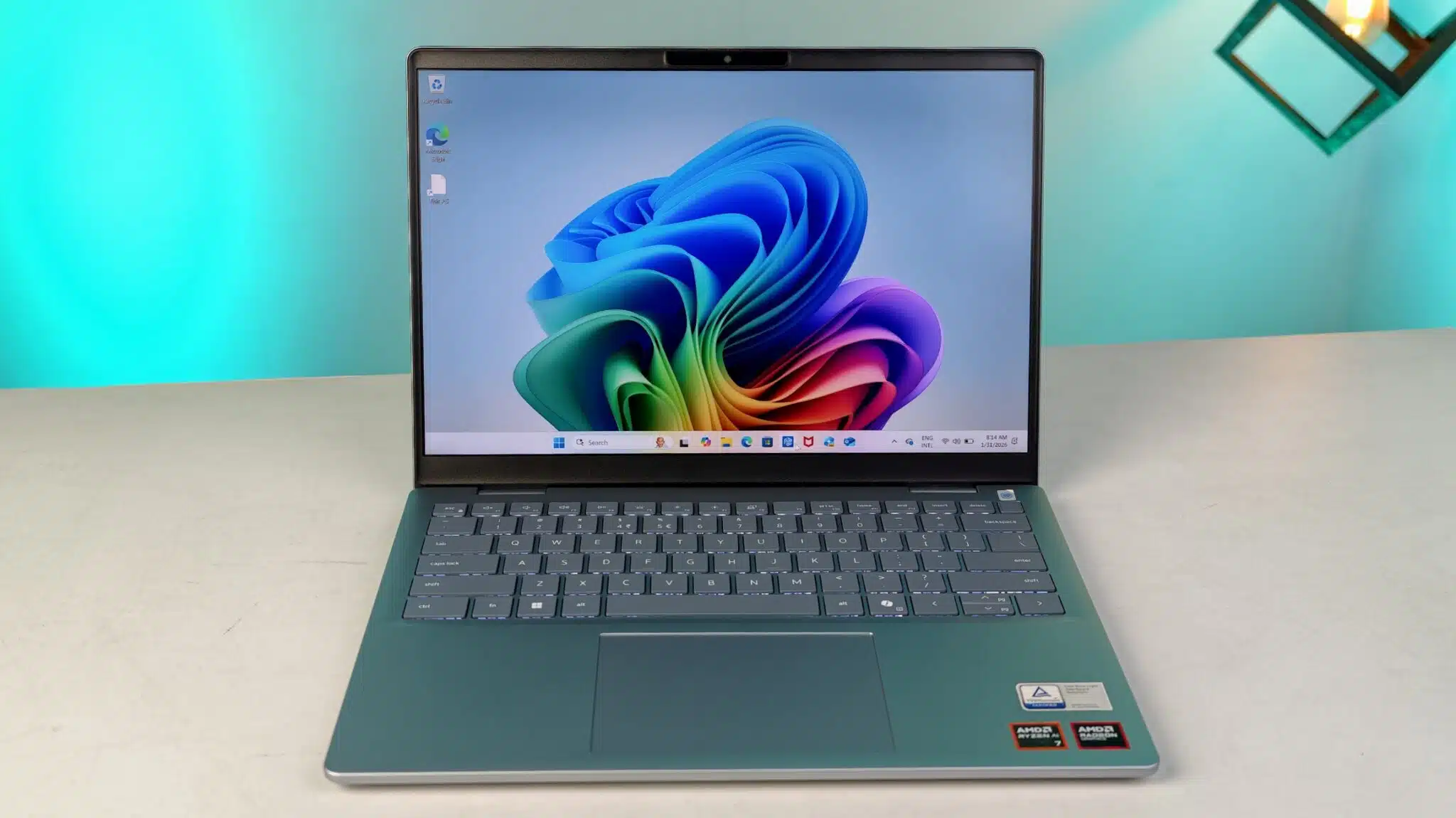
HP and Dell are quietly turning off the built-in hardware support for the HEVC video standard on a range of newer laptops, particularly those built for business customers in the US. It’s a move that might catch some people off guard, mainly because high-resolution video has become so routine. But the decision seems to come down to the less visible side of the industry, where companies try to trim costs connected to codec licensing. And that choice, even if subtle, has a pretty noticeable impact on anyone trying to play back high-quality video.
Key Takeaways
- HP and Dell are disabling HEVC hardware decoding on select new laptops, including models like the HP ProBook 460 G11 and certain Dell Latitude and Precision devices.
- The change is widely believed to be related to HEVC patent licensing fees, which can range from a few cents to more than a dollar per laptop.
- Even though Intel and AMD processors include built-in HEVC decoding hardware, disabling the feature forces systems to rely entirely on software decoding.
- This leads to weaker performance when playing HEVC content, especially inside web browsers that depend on the Windows video framework.
- Users can sometimes restore functionality by buying the HEVC Video Extension from the Microsoft Store or by using media players like VLC that ship with their own decoders.
HEVC, or H.265, was created to follow H.264/AVC by offering similar visual quality at nearly half the bitrate. It’s one of the reasons 4K and even 8K streaming works smoothly today. When hardware decoding is disabled, the GPU can’t do the heavy work anymore, so the CPU ends up handling video through software decoding instead. I think anyone who has watched a 4K file on a modest laptop knows how quickly that can lead to higher power draw, louder fans, and sometimes stuttering during playback.
Licensing Fees Drive the Change
Based on industry discussions and user reports, HP and Dell appear to be reacting to the complicated network of licensing requirements tied to HEVC. Multiple patent pools, including MPEG LA and HEVC Advance, collect royalties on every device that ships with HEVC encoding or decoding. A dollar or so per unit might not sound like much, but once multiplied by millions of laptops, the total becomes significant. So instead of paying that fee, these companies seem to be disabling the hardware capability through operating system or ACPI-level settings.
In practice, this makes Windows believe that the hardware lacks HEVC decoding support, even when Intel Arc or Intel UHD Graphics units physically include the decoder. Dell’s support pages already reference cases where users can’t view 4K videos unless they install an additional codec. HP has taken a more straightforward route by stating in the quick-specs for certain business laptops that HEVC hardware decoding is disabled. It’s clearer, at least, though it confirms the limitation.
Impact on Users and Workarounds
For many US laptop users, the issue becomes clear the moment they try streaming 4K content or playing HEVC files from smartphones, action cameras, or drones. Browsers like Chrome and Edge rely on Windows Media Foundation, so when hardware decoding is unavailable, playback either fails or shifts to heavy CPU decoding. And on laptops without dedicated graphics, that can lead to a noticeably rougher experience.
There are, fortunately, some ways around this. The HEVC Video Extension from the Microsoft Store, which usually costs around one dollar in the US, often restores proper HEVC support. It installs the necessary software components, allowing Windows apps and browsers to recognize the codec again. Free media players like VLC and PotPlayer don’t rely on Windows for decoding, so they continue working well even when HEVC is disabled at the system level. And some more technical users have reported that switching to Linux bypasses the restriction entirely because Linux tends to communicate directly with the hardware decoder rather than depending on Windows settings.
Even though the industry is gradually shifting toward the royalty-free AV1 codec, used by companies like Google, Amazon, and Netflix, HEVC still dominates a huge portion of today’s high-resolution content. This situation with HP and Dell feels like another example of the ongoing friction between what modern hardware can do and what licensing structures require. It’s not ideal, but perhaps it does shed some light on the unseen decisions shaping the everyday experience of simply watching a video.
Related FAQs
Q. What is HEVC and why is it important for my laptop?
A. HEVC, or H.265, is a video standard that highly compresses video, making it possible to stream or save high-quality content, like 4K and 8K videos, without using too much internet bandwidth or storage space. It is essential for smooth playback of high-resolution videos on your laptop.
Q. How can I check if my Dell or HP laptop has disabled HEVC support?
A. The clearest sign is poor performance, high CPU usage, or error messages when you try to play 4K H.265 video in a web browser or the Windows Movies & TV app. For HP, you can check the specific model’s ‘Quick Specs’ document on the official website, where it may list H.265 Hardware Decoding as ‘disabled’.
Q. Can I fix the HEVC issue on my new HP or Dell laptop?
A. Yes, you can fix it in a few ways. The simplest is to use a third-party media player like VLC Media Player or PotPlayer. Another way is to purchase and install the HEVC Video Extension from the Microsoft Store. This will add the official codec back into your Windows system.
Q. Why are HP and Dell disabling a feature that is already in the CPU?
A. They are disabling the feature to save money on licensing fees. Patent holders for the HEVC codec charge a small royalty for every device that includes the codec’s hardware support. By disabling it, the manufacturers avoid this recurring cost for their mass-produced, lower-end or business-focused laptops.
Q. What is AV1 and is it better than HEVC?
A. AV1 is a newer, open-source, and royalty-free video compression standard. It offers similar or better compression efficiency than HEVC. Since it is royalty-free, it is expected to become the new industry standard, replacing HEVC and avoiding the licensing issues that have caused this problem.