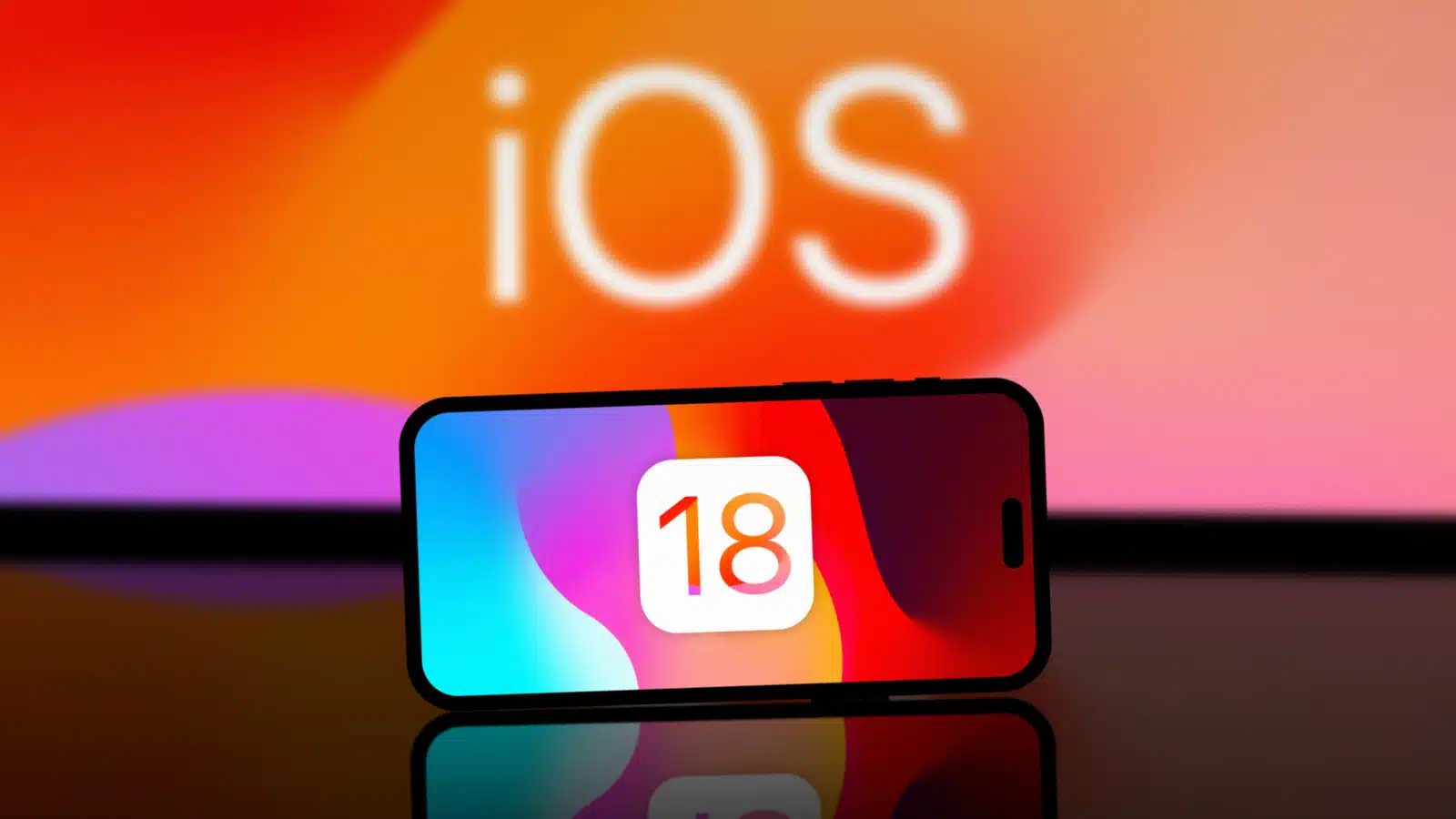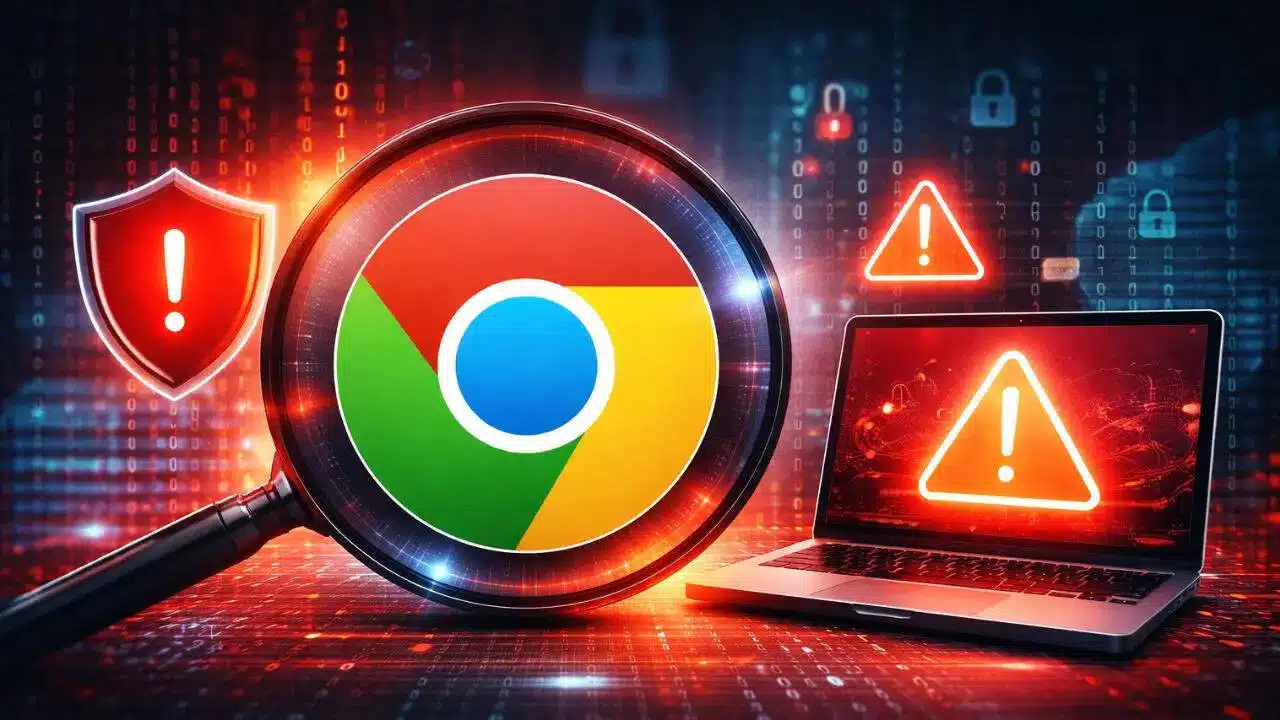


Apple is making a serious push to address one of the most persistent weak spots in the iPhone. The company is focusing on memory safety vulnerabilities, a category of software flaws that has been behind some of the most damaging attacks in recent years. These bugs have made it possible for hackers to launch so-called zero-click exploits, the same technique that powered spyware like Pegasus.
Key Takeaways
- Main Target Apple is addressing memory safety bugs, which are responsible for many successful iPhone hacks.
- The Threat These vulnerabilities enable zero-click exploits that compromise devices without any action from the user.
- The Culprit Older programming languages such as C, C++, and Objective-C form much of iOS’s foundation, but they do not have protections against memory errors.
- The Solution Apple is adopting memory-safe languages like Swift and Rust while also relying on hardware protections such as Pointer Authentication Codes (PAC).
The Core Problem Memory Safety
For a long time, the most dependable way to compromise an iPhone has been through memory safety flaws. These vulnerabilities exist in code written in languages like C and C++, which give developers precise control over memory but leave little protection against mistakes. Even a minor coding error can open the door for attackers to insert malicious instructions into memory spaces that should have been off limits. Once that happens, the attacker can take full control of the device.
This is exactly how Pegasus, the spyware created by NSO Group, spread. Pegasus became infamous for its ability to infect iPhones through zero-click attacks. Hackers often delivered it via an invisible iMessage or even a missed WhatsApp call. The person on the other end would never know their phone had been breached. Pegasus has been used against journalists, activists, and political figures worldwide.
Apple’s Defensive Strategy
Apple has decided that patching one vulnerability at a time is not enough. Instead, it is pursuing a broader approach designed to eliminate this class of bugs entirely.
On the software side, the company is steering developers toward memory-safe languages. Swift, introduced in 2014, was built to prevent common memory errors from the start. More recently, Apple has also begun using Rust in parts of the iPhone’s operating system kernel. These languages are designed with rules that stop developers from accidentally creating openings that hackers can exploit.
Hardware is another part of the defense. Starting with the A12 Bionic chip in 2018, Apple included Pointer Authentication Codes. PAC works by cryptographically signing pointers, which are variables that tell software where to find data in memory. If someone tampers with a pointer to redirect a program toward malicious code, the mismatch is detected. The system then shuts the app down before the attack can succeed.
The larger goal is deterrence. Apple wants to raise the difficulty and cost of writing working exploits for the iPhone. By closing off the most common and reliable weaknesses, attackers are forced to search for alternatives that are more complicated, less stable, and more expensive to develop. While Apple admits no device can ever be entirely secure, this strategy makes breaking into an iPhone much harder than it was before.
Frequently Asked Questions (FAQs)
Q. What is a zero-click exploit?
A zero-click exploit is a type of cyberattack that can compromise a device without requiring any action from the user. The user does not need to click a malicious link, download a file, or open a message for the attack to succeed.
Q. What is memory safety?
safety is a property of some programming languages that prevents software bugs related to how memory is accessed. It stops programs from accessing memory they shouldn’t, which is a common way for attackers to inject and run malicious code.
Q. Is my iPhone now completely safe from hackers?
No device is completely safe. However, Apple’s efforts to eliminate memory safety vulnerabilities make it much harder and more expensive for attackers to create successful hacks, greatly improving the overall security of the iPhone for most users.
Q. Why are C and C++ languages considered less safe?
C and C++ are powerful but older languages that give developers direct control over memory allocation. They lack automatic safeguards, making it easier for programming errors to create security vulnerabilities that attackers can exploit.
Q. What is Lockdown Mode on iPhone?
Lockdown Mode is an optional, extreme security setting for iPhone users who believe they might be personally targeted by sophisticated spyware. It severely restricts certain apps, websites, and features to reduce the potential entry points