

Windows 10 reaches its end-of-life (EOL) on October 14, 2025. Users must consider alternative operating systems. This transition requires careful planning. People need to address security and compatibility. Six options offer viable replacements.
Windows 11
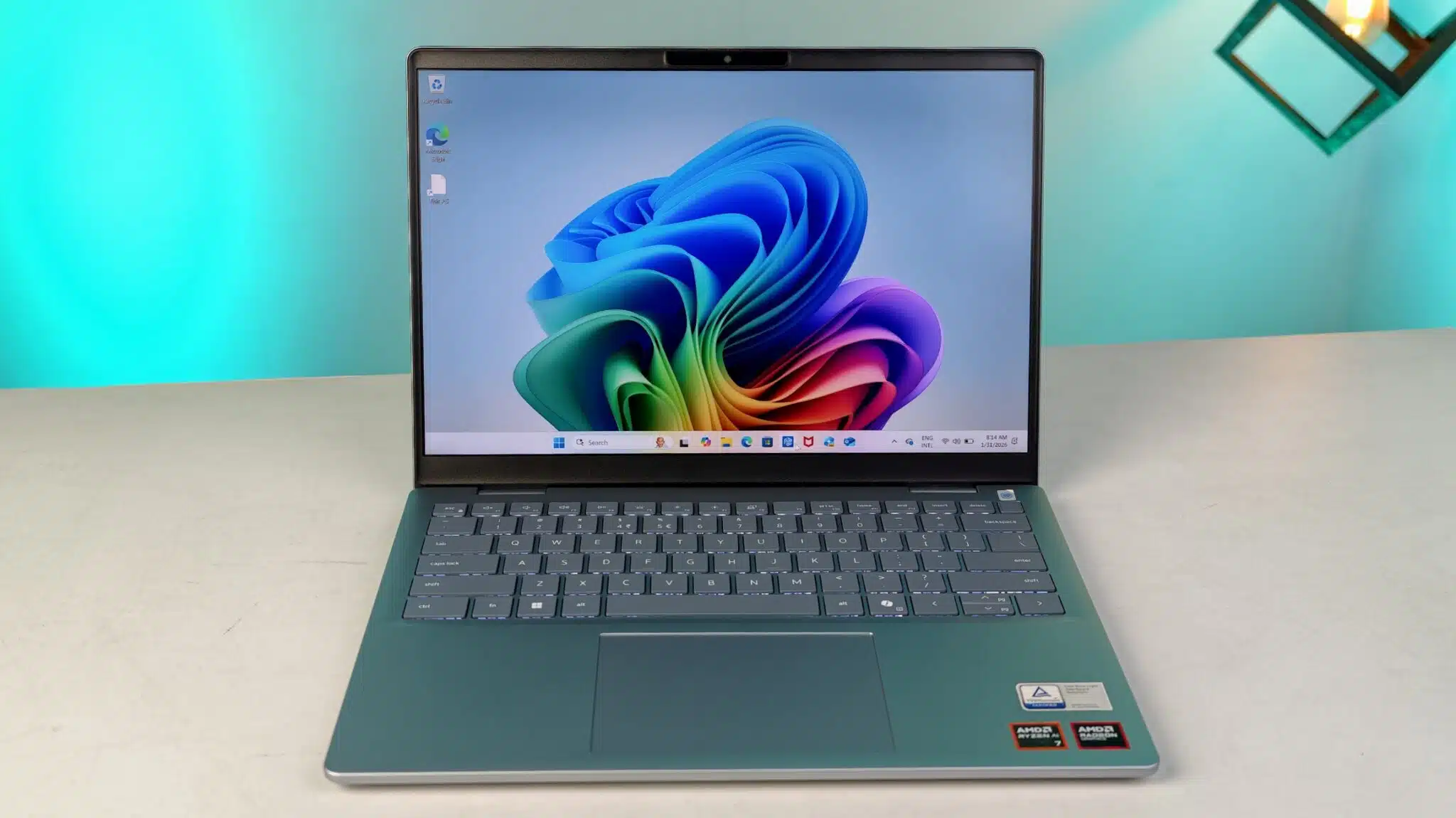
Microsoft’s Windows 11 presents a direct upgrade. It offers a modern interface. Security improvements exist. It demands specific hardware. Trusted Platform Module (TPM) 2.0 and specific processor requirements are needed. Users must verify hardware compatibility. Microsoft provides a PC Health Check app. This app determines eligibility. Users gain familiar functionality. They receive updated features.
Linux Distributions
Linux provides a range of distributions. Ubuntu, Linux Mint, and Fedora remain popular. They offer open-source code. Users gain flexibility. They control system customization. Linux distributions often run on older hardware. This extends the life of aging computers. Users access free software. They gain privacy. Linux requires a learning curve. Users must become familiar with command-line interfaces. Software compatibility differs. Some Windows applications do not run natively. Compatibility layers like Wine exist. These layers allow some Windows programs to function.
ChromeOS
Google’s ChromeOS runs primarily web applications. It suits users who rely on internet-based tasks. Chromebooks use ChromeOS. ChromeOS provides automatic updates. It offers strong security. Users gain simplicity. ChromeOS has limitations. Desktop software availability is limited. Offline functionality depends on specific applications. ChromeOS integrates with Google services. Users access Google Drive, Gmail, and other apps.
macOS
Apple’s macOS works on Apple computers. It provides a user-friendly interface. It offers strong integration with Apple devices. macOS requires Apple hardware. Users must purchase Apple computers. macOS provides software compatibility within the Apple ecosystem. Some Windows applications do not have macOS versions. Users gain access to professional software. They receive creative tools.
CloudReady/ChromeOS Flex
Google provides ChromeOS Flex. It converts older PCs and Macs into ChromeOS devices. It extends the life of existing hardware. ChromeOS Flex functions similarly to ChromeOS. It focuses on web applications. It offers security updates. Users gain simplicity. ChromeOS Flex provides a lightweight operating system. It requires internet access for full functionality.
FreeBSD
FreeBSD, a Unix-like operating system, serves advanced users. It focuses on stability and performance. It provides customization. FreeBSD requires technical knowledge. Users must understand system administration. FreeBSD suits server environments. It also functions as a desktop operating system. Users gain control. Users receive a stable base.
Transition Considerations
Data migration requires planning. Users must back up important files. Users need to verify software compatibility. Users must test application functionality. Hardware compatibility remains a factor. Older hardware may not support newer operating systems. Users must evaluate hardware specifications. Security updates are critical. Users must choose an operating system that provides ongoing security patches. Training may be necessary. Users might need to learn new interfaces. Users should test operating systems before making a final decision. Users can use live USB drives. These drives allow users to try operating systems without installation. Users must consider long-term support. Operating systems require maintenance. Users must check for community support. Users must check for vendor support.
The end of Windows 10 support creates a need for alternatives. People must evaluate their needs. They must assess hardware and software requirements. They must consider long-term support. They must prioritize security.