


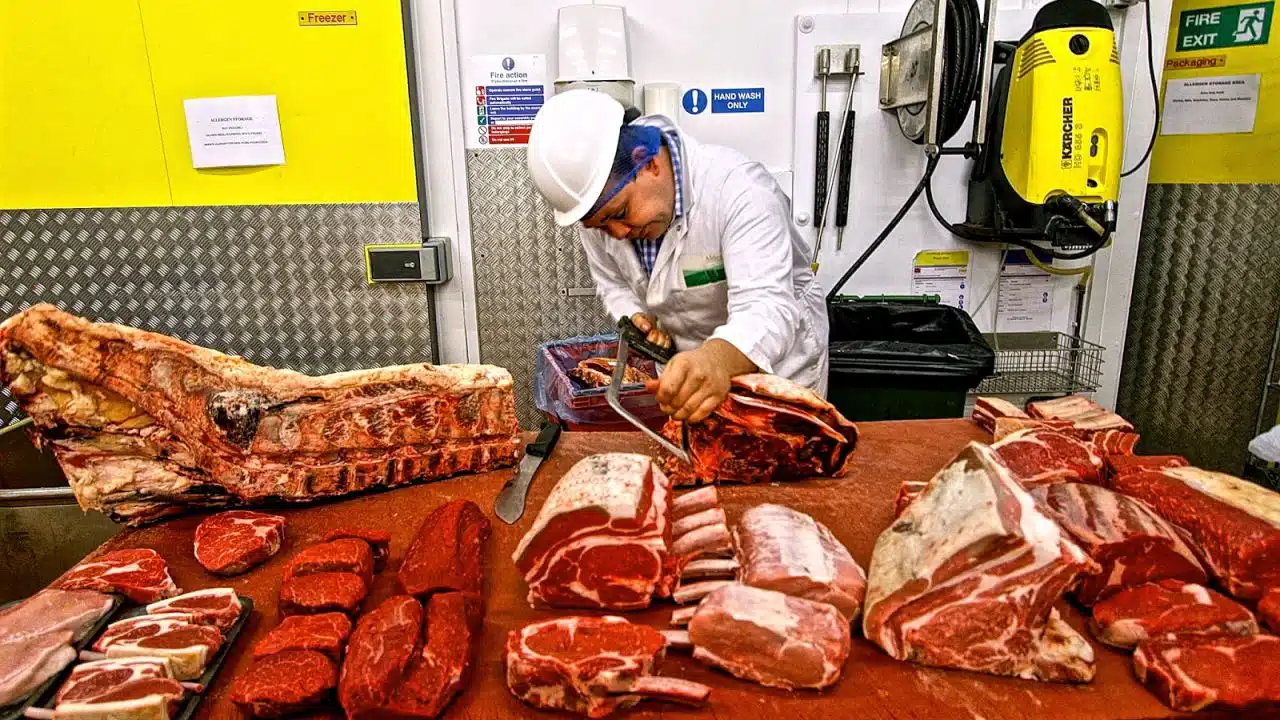
Currently, saving the earth is all about having sustainable consumption. Unfortunately, meat production is a very energy-intensive effort. As per the United Nations (UN), meat consumers in general and especially beef consumers post the most danger to the global environment. There is a strong environmental reason for not consuming beef. It may be somewhat of a surprise, however, worldwide, beef generation is one of the leading causes of climate change.
Experts opine, stopping the consumption of beef will decrease the worldwide carbon footprint on the planet much more than decreasing or eliminating the utilization of automobiles.
United Nations Environment Programme (UNEP) has ranked beef as climate-harmful meat. It’s pretty energy-intensive to supply every gram of beef. Taken on average, each hamburger involves the release of 3 kilograms of harmful carbon discharge to the atmosphere.
If one scrutinizes the count closely, livestock production causes global warming more than the entire transport sector does via the release of gas that alters the climate.
As per FAO, the livestock industry accounts for 185 of the worldwide greenhouse gas emission benchmarked against 15% resulting from the transport sector.
The organization concludes that the livestock industry is a significant player and a greater contributor to climate change than the transport industry.
Planet lovers are articulating their concern and shaming meat consumers most currently by Laurence Tubiana, the French representative of the upcoming Climate Summit. The latter commented that overconsumption of meat is destructive in most aspects and people should try to live one day abstaining from meat.
A UNEP study conducted in 2012 discovered that on average Indians eat only 12 gms of meat per day, which is nearly ten times lower than the world average of 115 gms.
On the other hand, the US is the leader with the consumption of 322 gms of meat a day. China comes in at 160 gms a day.
India is host to 512 million livestock, and most of the animals are reared for obtaining milk and plowing the fields. Slaughtering is not the primary objective.