You might already know the small but persistent frustration of trying to catch the audio from a muted TV at a sports bar, or perhaps that feeling of vaguely hearing your gate number at a busy airport but not quite catching the details. For a long time, Bluetooth was designed for the simplest kind of connection, essentially one phone talking to one set of headphones. Yet something rather significant has been unfolding quietly in the background. The industry is shifting toward Bluetooth Auracast, a newer standard that lets a single audio source broadcast to essentially any number of listeners nearby.
What’s interesting is that many devices already support it, even though most people have never tried it or maybe haven’t realized it exists at all. It feels like one of those features that sneaks in before anyone knows to look for it.
Key Takeaways
- Broadcast Audio: Auracast allows one transmitter (like a TV or phone) to send audio to unlimited listeners nearby.
- Device Support: Major brands like Samsung, JBL, and Sennheiser have already released compatible products.
- Public Use: Venues can use this to broadcast silent TV audio or PA announcements directly to your earbuds.
- Battery Efficiency: The technology runs on Bluetooth Low Energy (LE) Audio, which consumes less power than older standards.
How The Technology Works
It helps to think of Auracast almost like tuning in to a tiny radio station happening right where you’re standing. Traditional Bluetooth behaves more like a direct cable, linking two devices in a closed, one-to-one relationship. Auracast, however, works more like a little broadcast tower. If a television in a gym uses the Auracast standard, it sends its audio into the room. Anyone nearby with supported headphones or a phone can select that broadcast, much like choosing a Wi-Fi network but for sound.
You never have to pair with the TV itself, which is a relief because pairing with public devices always feels a bit uneasy. Instead, you just pick the stream you want to hear and that’s it.
Why You Should Care About LE Audio
Auracast is part of the broader Bluetooth Low Energy (LE) Audio specification developed by the Bluetooth Special Interest Group (SIG). While people often focus on technical perks like sound quality or better battery performance, the part that stands out to me is how practical it becomes in crowded or noisy environments.
Airports and transit hubs are experimenting with the system to push announcements straight to hearing aids and headphones. This means that even if you’re in a packed terminal, the message reaches you clearly. Museums can offer guided tours without the hassle of handing out devices. It feels like one of those incremental changes that might quietly improve daily life for a lot of people, even if they never dive into the technical details.
Devices That Support Auracast Now
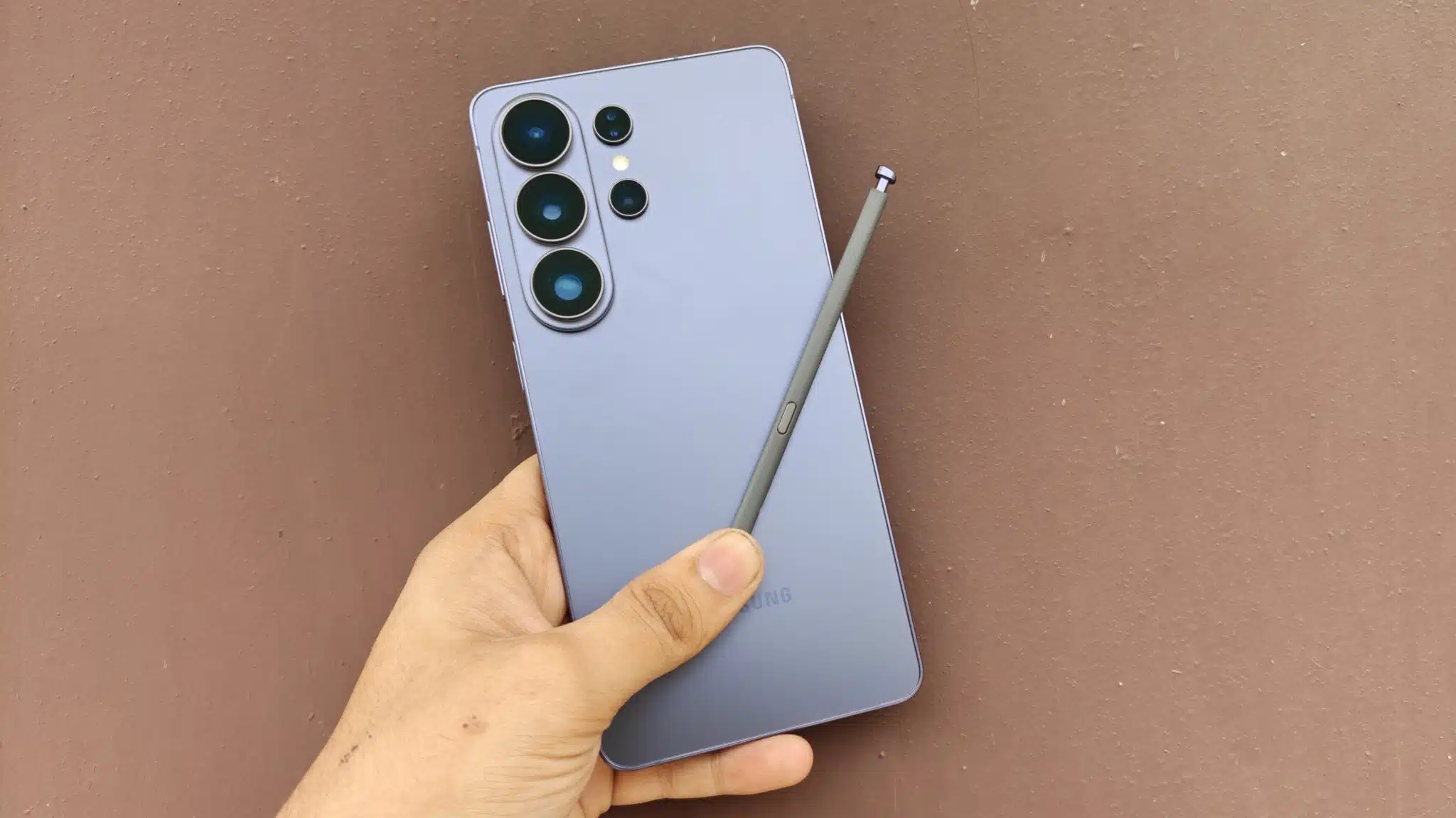
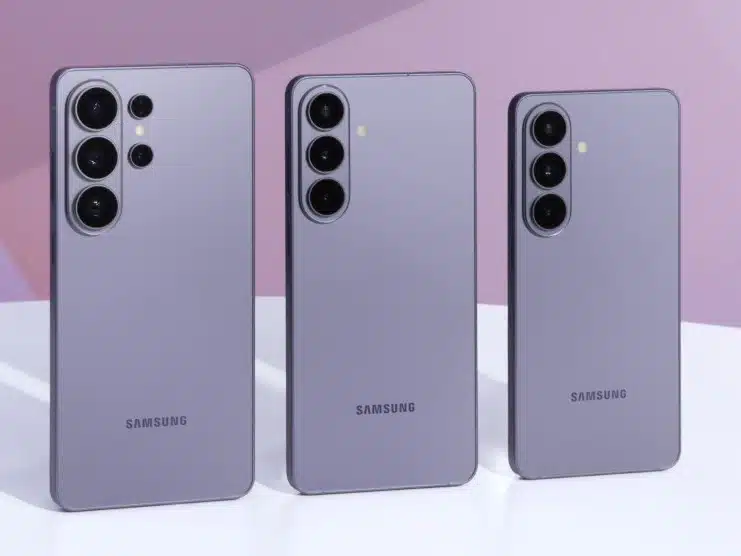
There’s a decent chance you own hardware that already supports this. Samsung in particular has been quick to roll out compatibility. The Galaxy S23, S24, Z Fold 5, and Z Flip 5 series all support Auracast, and the Galaxy Buds2 Pro even gained the capability through a firmware update.
Audio companies have jumped in too. JBL added Auracast to its recent portable speakers, including the Xtreme 4, Clip 5, and Go 4. This means users can link multiple speakers without relying on a proprietary app. Sennheiser’s Momentum True Wireless 4 also supports the feature, which feels like a natural fit for premium earbuds.
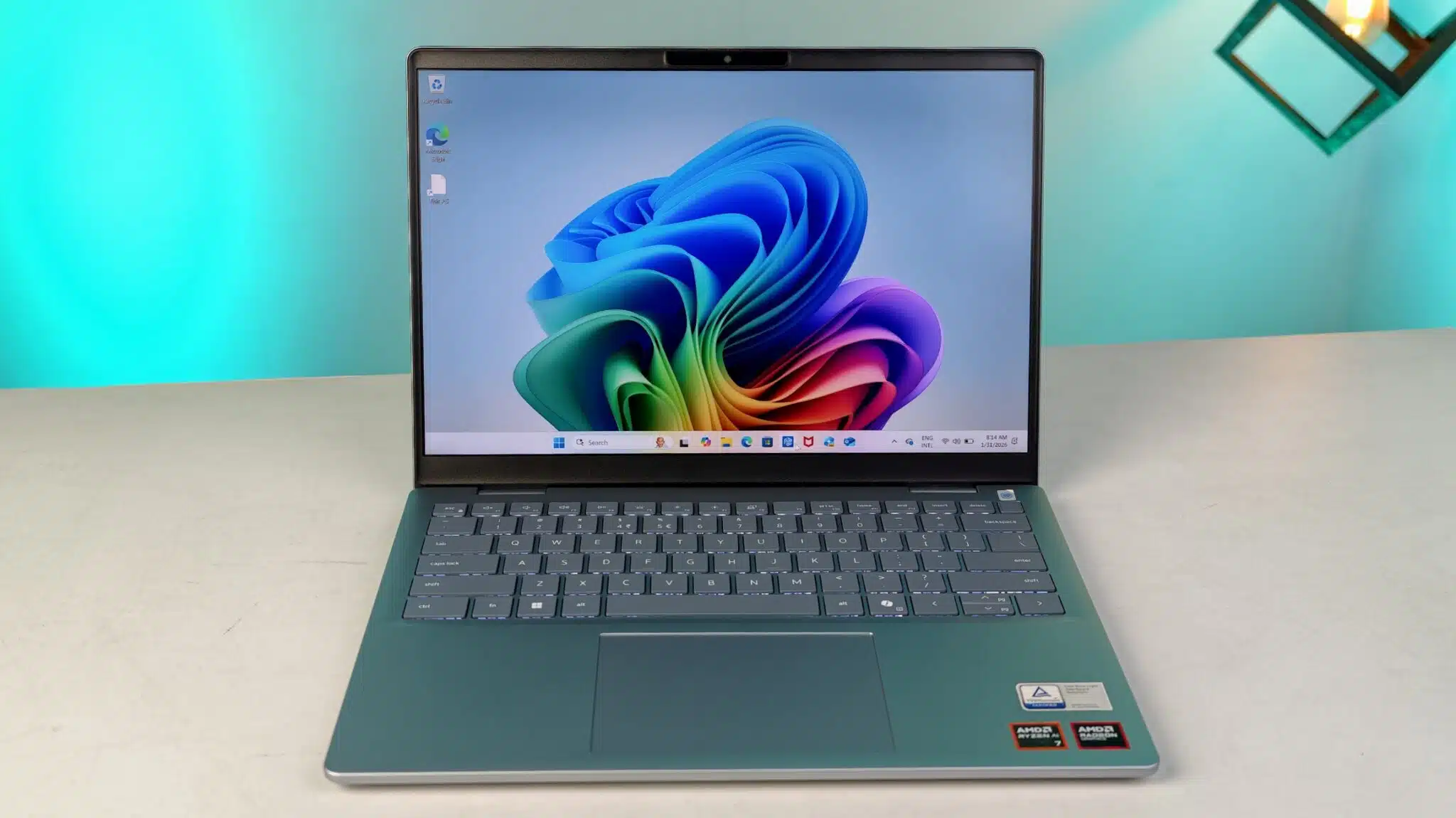
Microsoft has begun enabling support within Windows 11. After recent updates, a PC can broadcast audio to nearby coworkers, which might be handy for sharing a video or presentation without everyone clustering around one laptop. It’s a small thing, but these little touches do add up.
A Major Step for Hearing Accessibility
Auracast may be even more meaningful for people who are hard of hearing. It essentially modernizes what telecoil (T-coil) loop systems have done for decades in places like churches and theaters. Because the audio goes directly to a hearing aid or cochlear implant, it avoids the background chatter and echo that often make amplified environments difficult.
Frequently Asked Questions
Q. Does Auracast use my mobile data plan?
A. No. Auracast works entirely over Bluetooth. It does not require an internet connection or Wi-Fi to function.
Q. Can I use Auracast with my old Bluetooth headphones?
A. No. The headphones must support Bluetooth LE Audio. Older headphones use “Classic Bluetooth” and do not have the hardware to receive these broadcasts.
Q. Is the broadcast private?
A. It depends on the source. Public broadcasts (like an airport announcement) are open to everyone. Private broadcasts (like sharing music from your phone) can be password-protected so only your friends can join.
Q. How do I find an Auracast stream?
A. On compatible Android devices, you can scan for audio streams in the Bluetooth settings menu, similar to scanning for Wi-Fi networks.
Q. Will this drain my battery faster?
A. No. Because it uses Bluetooth Low Energy (LE) Audio, it is designed to be more power-efficient than standard Bluetooth streaming.