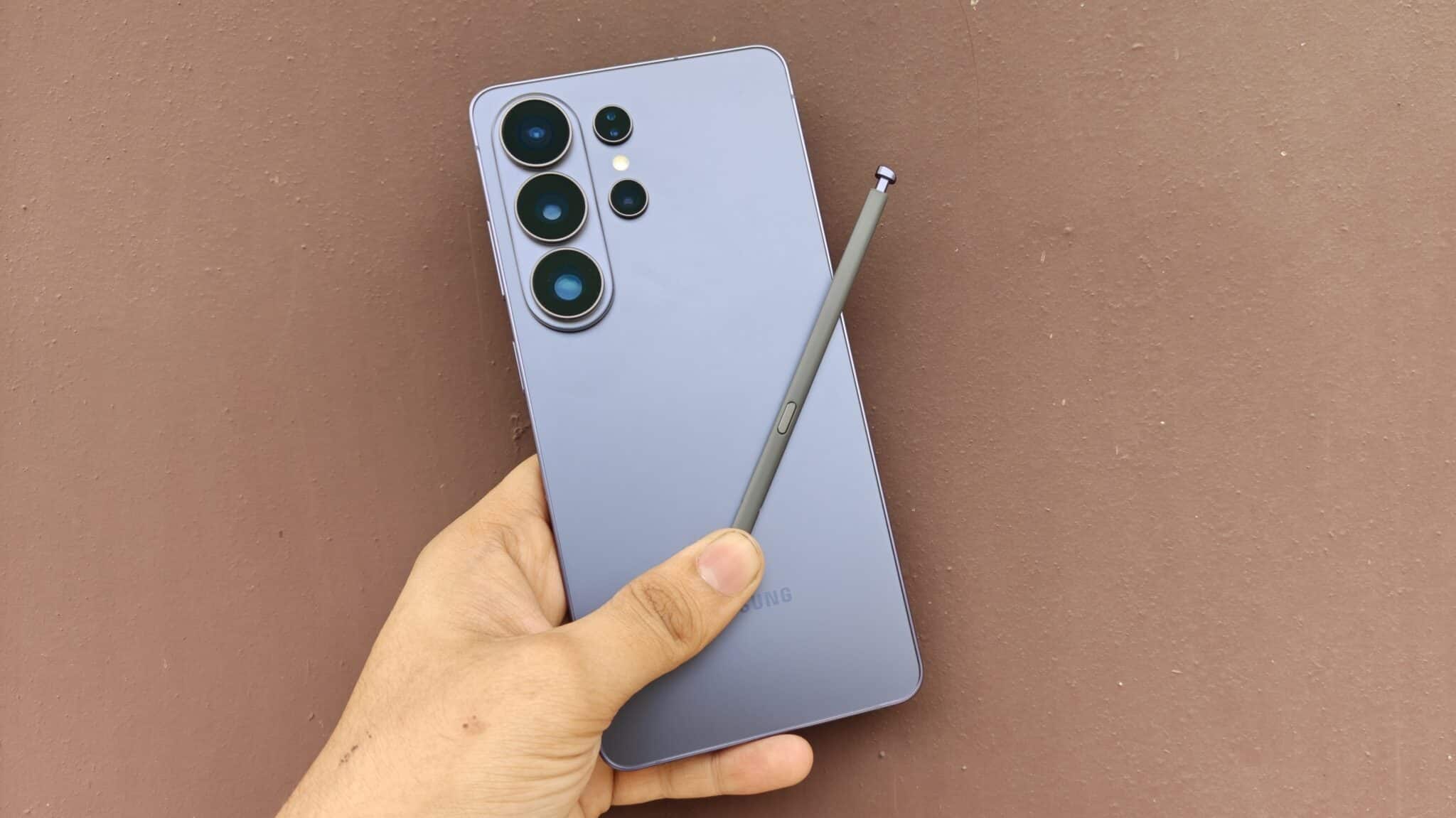


A new leak suggests the upcoming Samsung Galaxy S26 Ultra may finally feature a battery larger than the 5,000 mAh capacity seen in its predecessors. The rumor, originating from sources in China, claims the Samsung Galaxy S26 Ultra could arrive with a 5,200 mAh battery. This small increase represents a potential shift for Samsung, which has kept the battery capacity constant at 5,000 mAh for several generations of its top-tier Ultra flagship phones, including the Samsung Galaxy S25 Ultra and Samsung Galaxy S24 Ultra.
Key Takeaways
- The Samsung Galaxy S26 Ultra is rumored to feature a 5,200 mAh battery capacity.
- The current Samsung Galaxy S25 Ultra and S24 Ultra models use a 5,000 mAh battery.
- This modest increase is seen as a welcome change for users prioritizing battery longevity.
- The leak suggests a potential upgrade to 60W wired fast charging for the Galaxy S26 Ultra.
For many users globally, battery life remains a critical feature, especially with modern smartphones running high-refresh-rate displays and demanding applications. The 5,000 mAh battery has been a consistent specification for the Galaxy S Ultra line, offering reliable, though not outstanding, all-day power. For instance, the Samsung Galaxy S24 Ultra is officially rated with a typical capacity of 5,000 mAh, though the rated capacity often listed in certification documents is 4,855 mAh. A step up to 5,200 mAh, even a minor one, shows Samsung is possibly reacting to user demands for better endurance.
Battery capacity is measured in milliampere-hours (mAh), which basically tells us how much energy a battery can store. A higher mAh count generally means longer use time between charges. However, real-world battery performance depends heavily on the phone’s processor efficiency, screen technology, and software optimization. Samsung’s Ultra phones often balance a large battery with powerful but power-hungry components, like high-resolution Dynamic AMOLED 2X displays and the latest Snapdragon or Exynos processors.
The rumor mill also hints at other improvements that complement the larger battery. The Samsung Galaxy S26 Ultra is also expected to feature a jump in wired charging speed, potentially from the 45W seen in the S25 Ultra to 60W. Faster charging lessens the impact of a large battery, allowing users to top up quickly even during short breaks. This combination of increased capacity and faster charging would directly address two of the most frequent requests from power users.
It is important to remember that these details are based on unofficial leaks and rumors, so they should be taken with caution until Samsung Electronics makes an official announcement. Historically, Samsung has unveiled its Galaxy S series in the first quarter of the year. The expected late January 2026 launch for the Galaxy S26 series means that more certified details and official information will likely emerge in the coming months, either confirming or contradicting this early battery information. As smartphone designs evolve, fitting a larger battery without adding too much thickness or weight is a design challenge. If the 5,200 mAh rumor proves true, it suggests Samsung has found ways to integrate the higher capacity efficiently.
Related FAQs
Q. What is the typical battery capacity of the Samsung Galaxy S25 Ultra?
A. The Samsung Galaxy S25 Ultra features a typical battery capacity of 5,000 mAh.
Q. Is a 5,200 mAh battery a big upgrade over 5,000 mAh?
A. A 5,200 mAh battery offers a small increase in capacity, which may result in slightly longer battery life, but the real impact will also depend on the phone’s processor efficiency and software power management.
Q. When is the Samsung Galaxy S26 Ultra expected to release?
A. Unofficial reports suggest the Samsung Galaxy S26 series, including the Ultra model, may be announced in late January 2026.
Q. What is the difference between rated capacity and typical capacity for a battery?
A. Typical capacity (e.g., 5,000 mAh) is the average capacity expected when considering sample variation. Rated capacity (e.g., 4,855 mAh) is the minimum capacity that a battery must meet to be certified.
Q. Does a larger battery mean the phone will be much thicker or heavier?
A. While larger batteries naturally increase size and weight, advancements in battery technology, like higher energy density cells, allow manufacturers to fit slightly more capacity without drastically changing the phone’s physical dimensions.