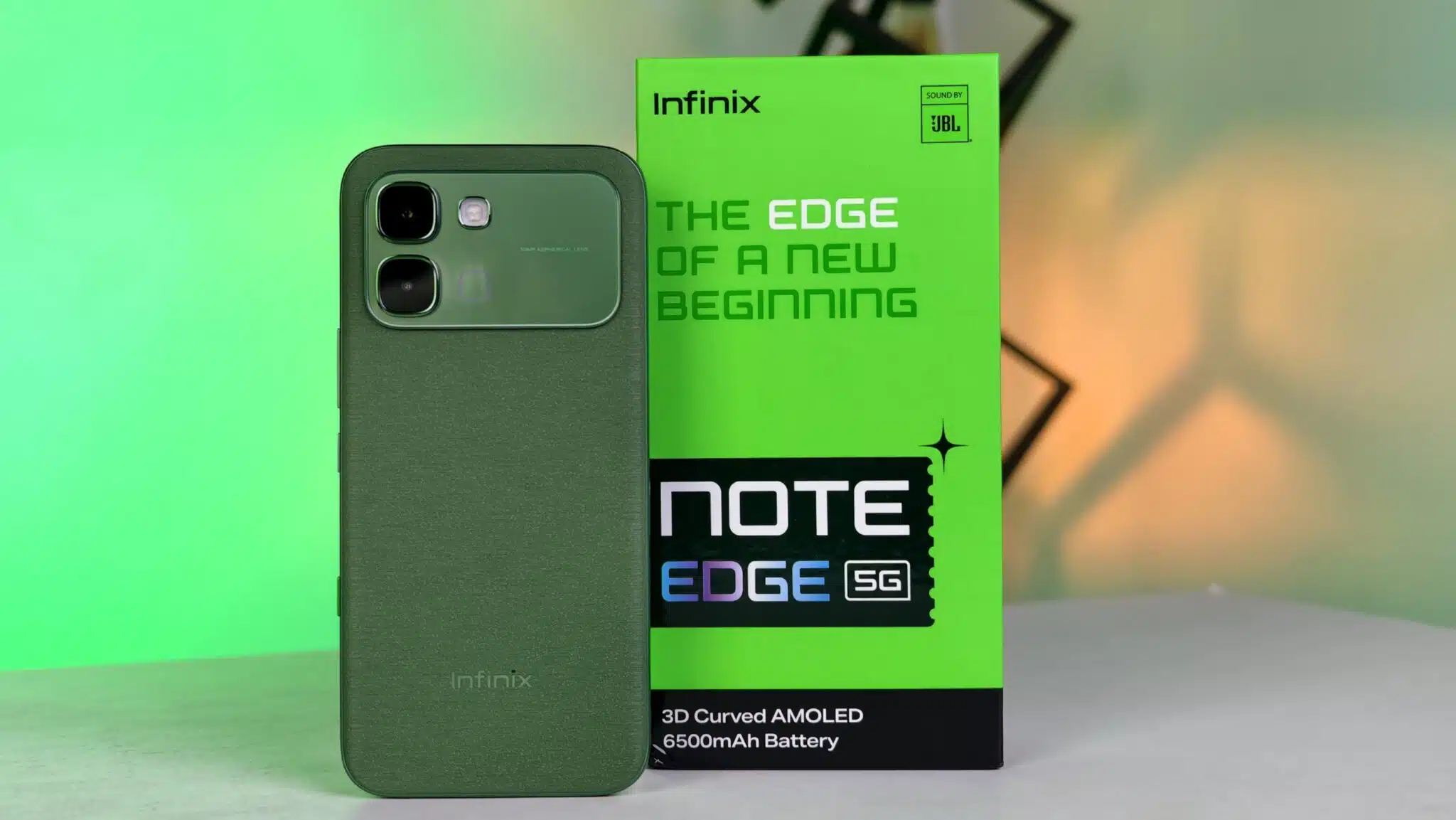



The rapid expansion of artificial intelligence is no longer just a headline about futuristic tools or data centers. It is now starting to affect everyday consumers in a very direct way, especially when it comes to the price of smartphones and personal computers. As AI infrastructure absorbs an ever larger share of global semiconductor production, the cost of essential components is climbing fast, and manufacturers are beginning to pass those increases on to buyers.
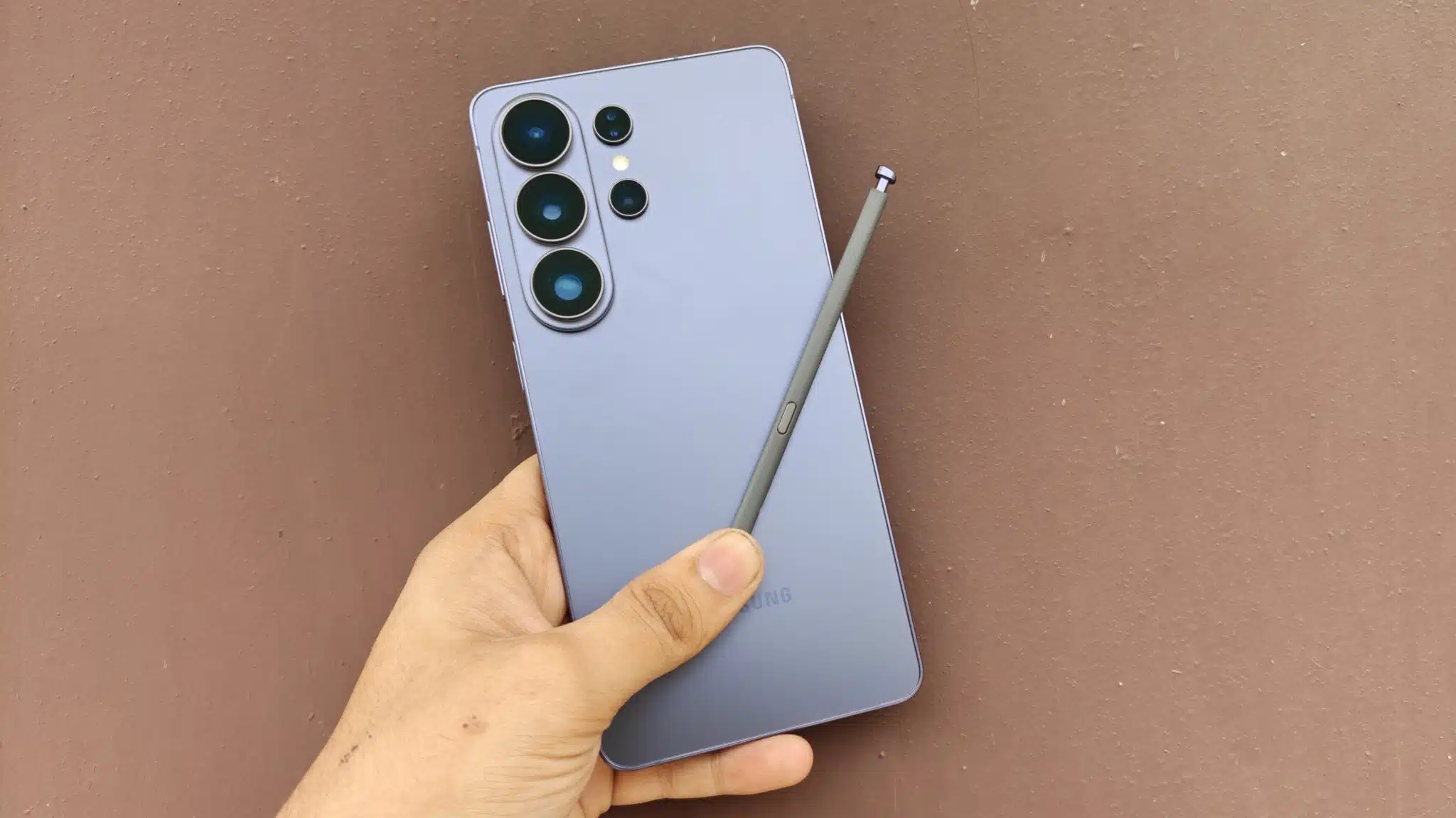
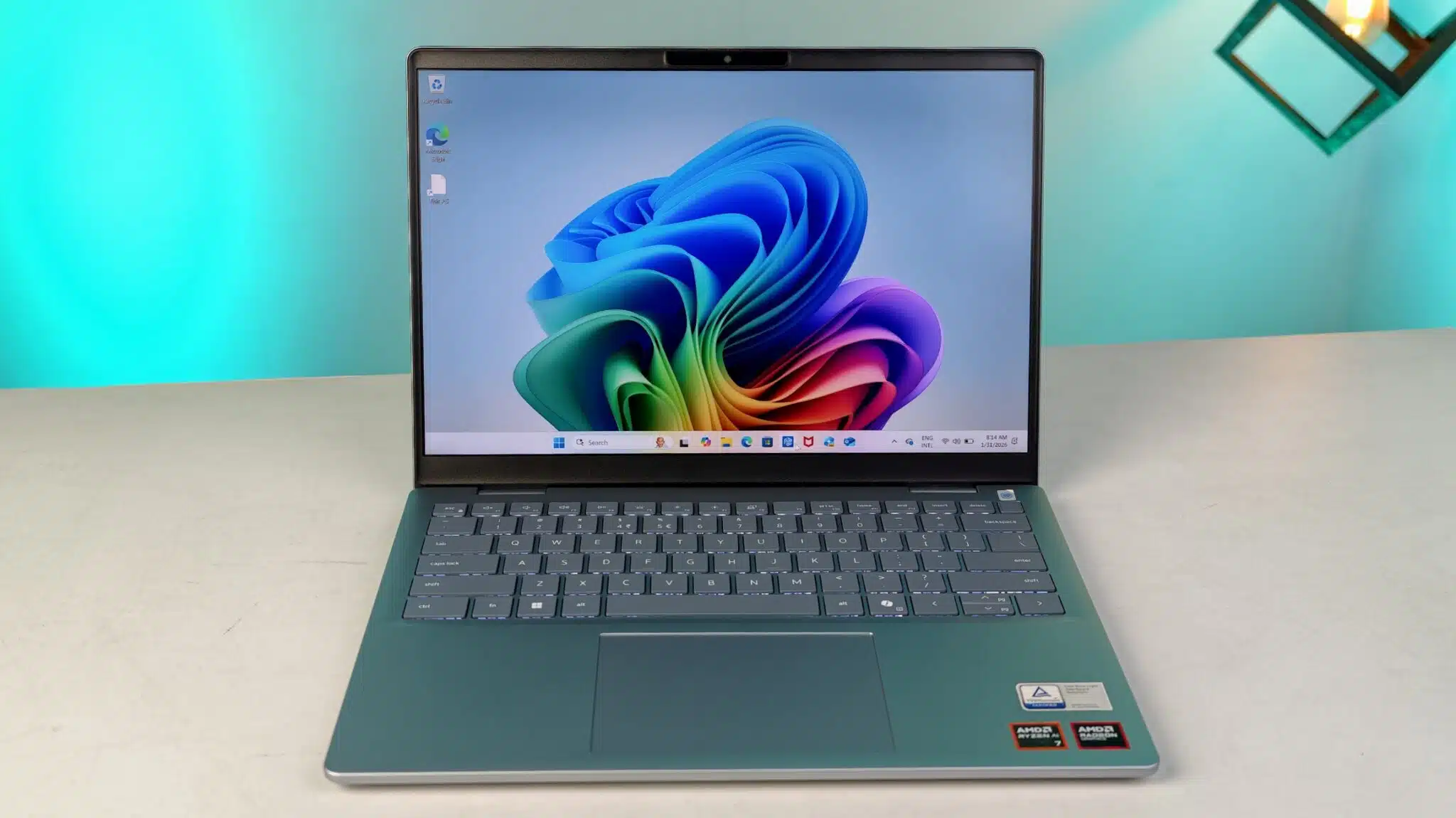
Major brands such as Dell, Lenovo, and Xiaomi have already cautioned that device prices could rise between 5% and 20% over the coming year. With memory chips becoming harder to secure, the long period of relatively affordable laptops, desktops, and phones appears to be fading, at least for now.
Key Takeaways
- Price Hikes: Smartphones and PCs may cost up to 20% more in 2026 as component prices continue to rise.
- Production Crunch: Memory suppliers report that their manufacturing capacity is fully booked for the year.
- Strategic Shift: Chipmakers are prioritizing high-margin AI-focused memory over consumer-grade RAM and storage.
- Timeline: Analysts believe the shortage could persist until at least 2027.
- Brand Impact: Asus plans price increases from January 5, while Dell and Lenovo are already adjusting supply and pricing strategies.
The AI tax on consumer hardware
The surge in generative AI has quietly reshaped how silicon wafers are allocated across the industry. Companies like Samsung Electronics and SK Hynix, which together control more than 70% of the global memory market, are increasingly channeling resources into High Bandwidth Memory. These chips are critical for AI accelerators and large-scale data centers, but that focus comes at the expense of standard DRAM and NAND flash used in consumer devices.
According to recent reports, the prices of RAM and SSDs have doubled or even tripled within just a few months. Dell COO Jeff Clarke recently remarked that the company has rarely seen costs rise at this speed. In response, Lenovo has begun stockpiling key components to soften the blow. Smaller players, including Raspberry Pi, have been more candid, describing current market conditions as painful and difficult to manage without raising prices.
Why supply remains tight
Industry analysts generally agree that AI-driven demand has exceeded even the most optimistic forecasts. Peter Lee of Citigroup has noted that supply constraints are likely to persist until 2027, largely because no major new memory fabrication plants are scheduled to come online before then. Building and qualifying new facilities simply takes years, even with aggressive investment.
This imbalance also gives large cloud providers such as Google and Amazon a structural advantage. By locking in long-term supply agreements, they secure priority access, while consumer-focused brands are left competing for whatever capacity remains.
Asus has already confirmed that it will introduce price adjustments across several product categories starting January 5, 2026. Devices that rely heavily on large memory configurations, such as gaming laptops and professional workstations, are expected to see the steepest increases. While companies like Apple and Samsung may be able to negotiate better terms due to their scale, most buyers are still likely to encounter noticeably higher prices.
Impact on the Indian market
For consumers in India, global supply pressures typically translate into higher retail prices across popular phone and laptop lineups. Memory represents a significant portion of a device’s bill of materials, leaving manufacturers with limited room to absorb rising costs internally. In some cases, this may even result in new smartphone models launching with the same, or slightly reduced, RAM and storage compared to previous generations, simply to keep prices from climbing too aggressively.
Frequently Asked Questions
Q1: Why are smartphone prices going up in 2026?
A1: The primary driver is a shortage of memory chips. AI companies are purchasing a large share of global production for servers and data centers, which reduces availability for smartphone and PC manufacturers and pushes component prices higher.
Q2: Which brands are increasing their prices?
A2: Dell, Asus, and Xiaomi have all indicated that price increases are coming. Asus has specifically announced adjustments beginning January 5, 2026.
Q3: When will the chip shortage end?
A3: Research firms like IDC and analysts at Citigroup expect the shortage to last until at least 2027, as new production capacity takes years to build.
Q4: Will SSD and RAM prices for custom PCs also rise?
A5: Yes. Prices for individual RAM modules and SSDs have already increased significantly, and this trend is expected to continue as long as AI-related demand remains high.