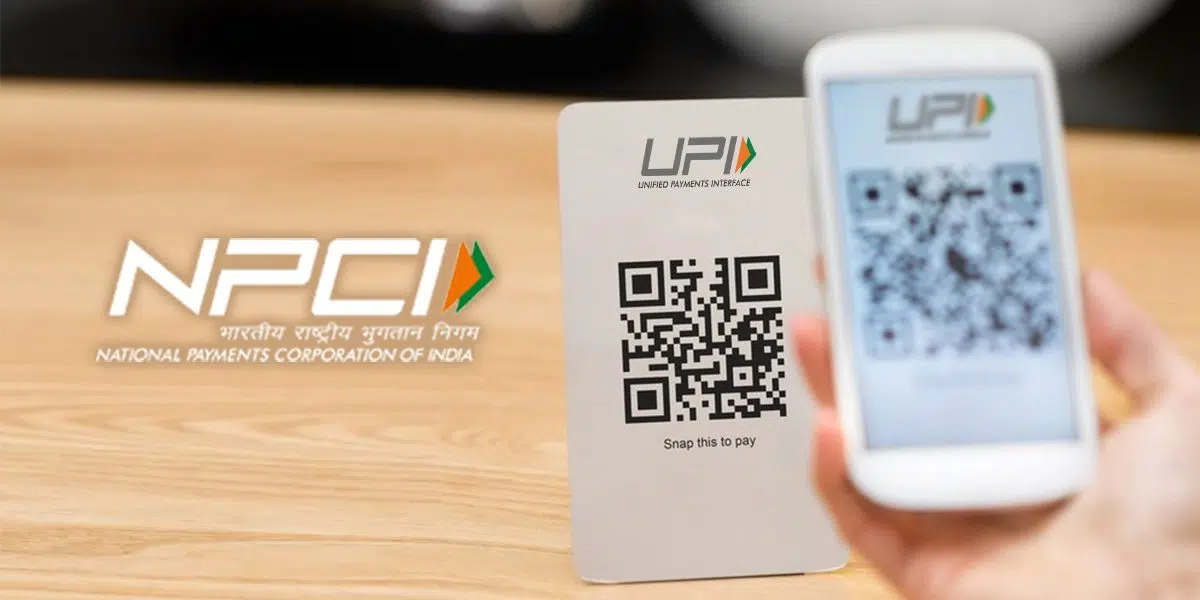
The National Payments Corporation of India has quietly introduced a pilot portal that could solve a surprisingly common problem for UPI users. Many people, often without realizing it, continue paying for subscriptions or services long after they have stopped using them. These are not large charges that immediately grab attention, but small, recurring deductions that slip by month after month.
To address this, NPCI has launched a centralized tracker that allows users to view all their active UPI Autopay mandates in one place. The idea is simple, but the impact could be significant. Instead of digging through bank statements or multiple apps, users now have a single window to see which services are authorized to pull money from their accounts automatically.
Key Takeaways
- NPCI is piloting a central portal to display all active UPI Autopay mandates.
- Users log in using their registered mobile number and a one-time password.
- The tracker highlights small recurring deductions that often go unnoticed.
- Cancelling mandates may still require using individual banking or UPI apps.
- The initiative is designed to improve transparency across the digital payments ecosystem.
The Unified Payments Interface has transformed everyday payments in India, from grocery bills to taxi fares. Autopay, as a feature, was meant to make life easier by automating routine payments like electricity bills, insurance premiums, or streaming subscriptions. In theory, it works well. In practice, things get a bit messy.
During online checkouts, especially for digital services, users sometimes approve recurring mandates without fully realizing it. The amounts are often under ₹500, sometimes much less, and because of that, they may not trigger the usual SMS alerts people expect. Over time, these small deductions add up. Some users only notice after several months, usually when they finally sit down and scan a detailed bank statement.
By launching this tracker at upihelp.npci.org.in, NPCI appears to be responding directly to growing frustration among users. Social media has been filled with complaints from people discovering a long list of active mandates they do not remember setting up, or at least not for such a long duration. In that sense, this portal feels like a long overdue step.
How the UPI Autopay Tracker Works
Using the tracker is fairly straightforward. You visit the official UPI Help portal, enter the mobile number linked to your bank accounts, and verify it using an OTP. Once logged in, you can choose the option to view Autopay mandates. The system then pulls information from different UPI service providers and presents a consolidated list of active recurring payment instructions tied to your identity.
Seeing everything laid out like this can be a little eye-opening. It is not uncommon to spot subscriptions you barely remember signing up for. At least, that seems to be the early feedback from users who have tried the pilot version.
Cancelling Mandates Still Needs Some Care
While the portal does show options like “Revoke” or “Pause,” these controls do not always work smoothly across all banks and apps. This is something NPCI will likely refine over time, but for now, users need to be a bit cautious.
If you identify a mandate you no longer want, the safest approach is to note down its details and then open the original UPI app used to set it up. Whether it is Google Pay, PhonePe, or your official bank app, most platforms have a dedicated “Autopay” or “Mandates” section in their settings. Cancelling from there is still the most reliable option.
Why This Matters for Digital Payment Safety
This move fits into a broader push to make digital finance safer and more user-friendly. As subscription-based services grow, so do what many people now call “subscription traps.” These rely on the assumption that users will not monitor every small debit from their accounts.
Regulations already allow this to an extent. Under guidelines from the Reserve Bank of India, recurring payments under ₹15,000 can be processed automatically after the initial mandate approval, without requiring an OTP each time. That convenience is useful, but it also explains why deductions can happen quietly in the background.
By offering a single dashboard to review these commitments, NPCI is helping users regain some control. It does not solve every problem yet, and the portal is still clearly a work in progress, but it does address a real pain point that many people have experienced.
Frequently Asked Questions
Q1: What is a UPI Autopay mandate?
A1: It is a digital authorization given through a UPI app that allows a merchant to deduct a fixed amount automatically at regular intervals, without needing a PIN for each payment.
Q2: Why was money deducted without an OTP?
A2: Once a mandate is approved, recurring payments within the RBI’s permitted limits do not require OTP verification every time, which is why renewals can happen silently.
Q3: Is the NPCI tracker free to use?
A3: Yes. The tracker is a public utility provided by NPCI and does not charge users anything.
Q4: What if the Revoke button on the portal does not work?
A4: In that case, open the UPI app you originally used for the payment and cancel the mandate from the “Mandates” or “Autopay” section there.