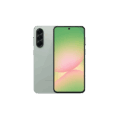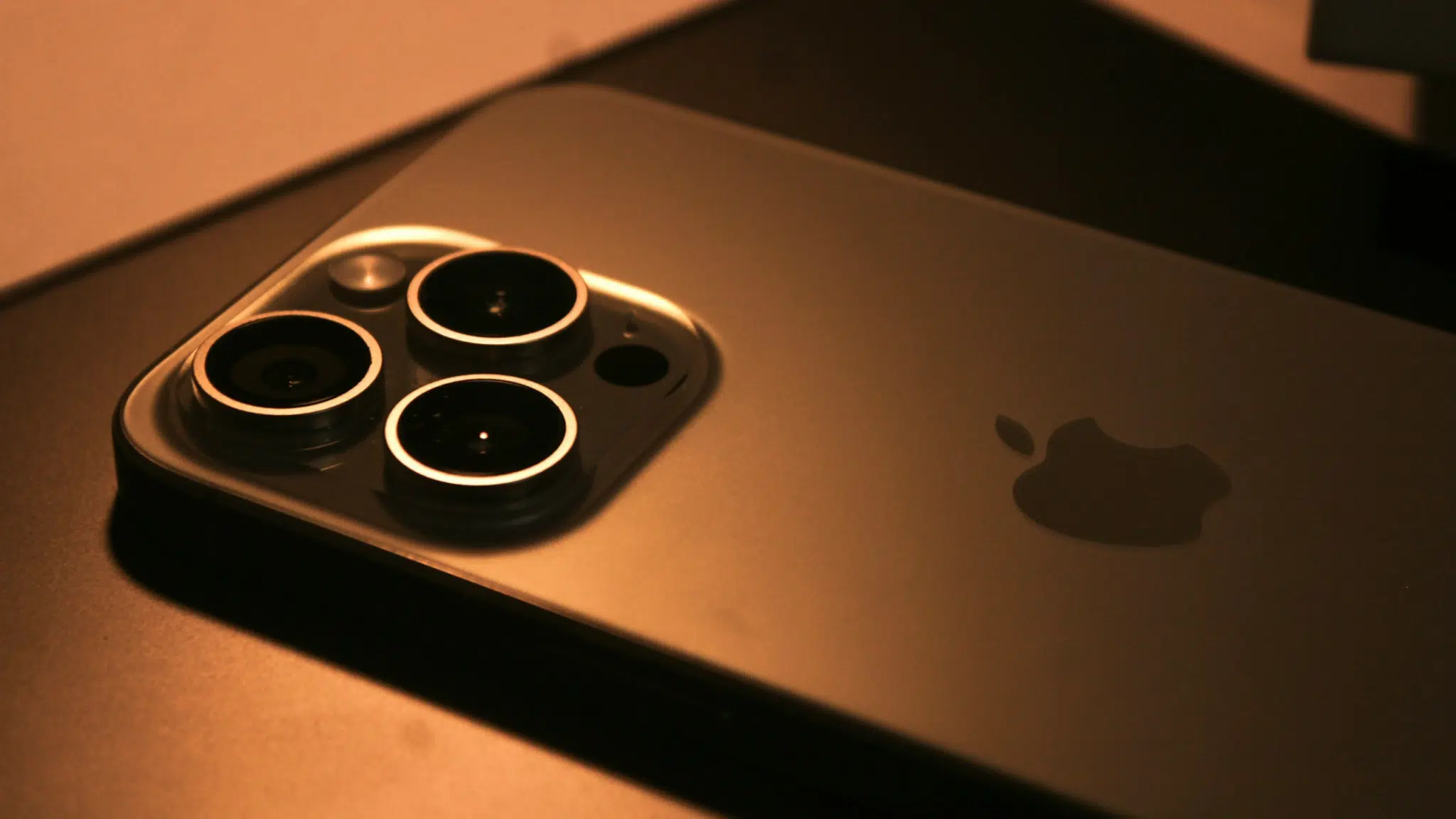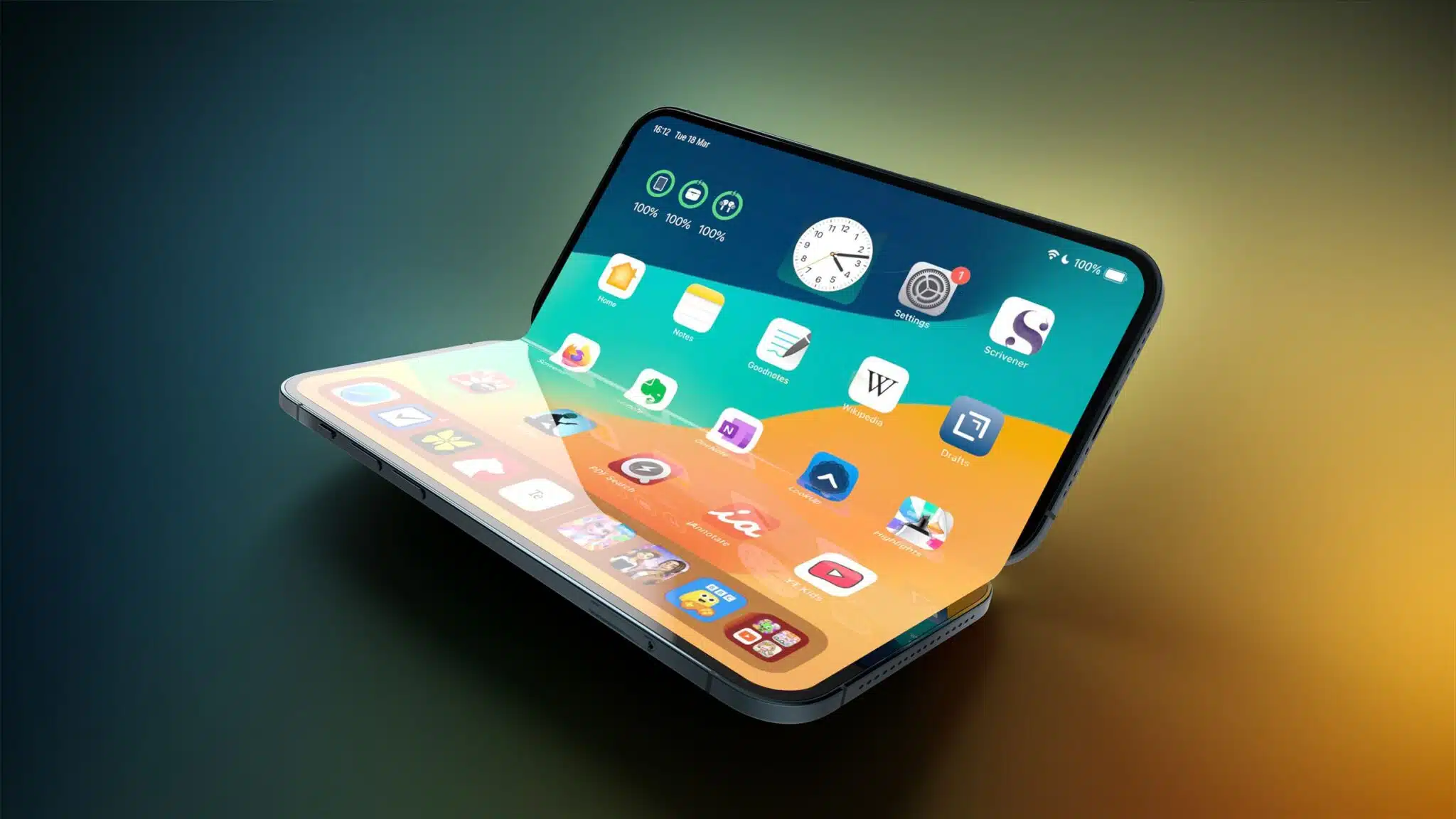


Apple has just unveiled its iPhone Air, and it feels like a turning point for the company. At only 5.1 millimetres thick, it officially takes the crown as Apple’s thinnest product ever. But here’s the surprise: despite that impossibly slim frame, it’s actually easier to repair than past iPhones. That’s not something you hear very often. It’s proof, really, that sleek design doesn’t automatically have to mean fragile or repair-hostile.
Key Takeaways
- The iPhone Air is Apple’s thinnest device ever, measuring just 5.1 mm.
- Its internal design is completely new, making it much easier to repair.
- Replacing the screen no longer requires taking the entire phone apart, which should lower repair costs.
- The device is powered by the new M4 chip, focusing on artificial intelligence tasks.
For years, there’s been this almost predictable trade-off: the thinner the gadget, the harder it was to fix. Manufacturers would glue things down, tuck components behind one another, and create layouts that made a simple battery swap a nightmare. That frustration has been part of the story with many smartphones, not just Apple’s. But the iPhone Air seems to challenge that assumption.
The repair experts at iFixit, who have made a name for themselves by dissecting every new gadget, called the Air’s design a major step forward. And it really is. The way the phone comes apart has been rethought. The screen, for example, can now be removed on its own without dismantling the entire device from the inside out. For anyone who’s dealt with a cracked screen, that’s big news. It means repairs will likely be faster, less stressful, and definitely less expensive.
The battery is also more accessible, which is a win for longevity. Instead of throwing away a phone after a couple of years, users will find it much more practical to replace the battery and keep going. In some ways, it feels like Apple is quietly acknowledging the push from the global “Right to Repair” movement, which has been urging tech companies to make their products friendlier to fix.
Of course, this is still a flagship iPhone. Repairability doesn’t mean compromise on performance. The aluminum body is light and elegant, almost impossibly thin in the hand. The display is a Tandem OLED, a newer type of screen that stacks two layers to deliver brightness and colour accuracy that stand out, even compared to other high-end phones.
Inside, the phone runs on Apple’s M4 chip. This isn’t just about speed in the usual sense. The processor is tuned for advanced artificial intelligence tasks, a clear sign of where Apple is heading. That makes the iPhone Air ready for AI-driven apps and features that haven’t even hit the mainstream yet.
One subtle but thoughtful change is the repositioning of the front-facing camera. It now sits along the longer edge, which sounds minor, but in practice it makes video calls look and feel more natural, especially in landscape orientation.
Taken together, the iPhone Air feels like a statement. A super-thin body, a powerful AI-focused chip, a bright and accurate screen, and a design that’s actually considerate of repairs. Maybe it won’t solve every complaint about modern smartphones, but it does show that style and substance can align. In a market that often asks people to choose one over the other, that feels refreshing.
Frequently Asked Questions (FAQs)
Q. How thin is the new iPhone Air?
A. The new iPhone Air is 5.1 millimetres (mm) thick, making it the thinnest iPhone and one of the thinnest smartphones available.
Q. What makes the iPhone Air easier to repair?
A. Its internal structure has been redesigned. The screen can be removed first for repairs, and the battery is more accessible. This simplifies common fixes and reduces the risk of damaging other parts during a repair.
Q. Is it cheaper to fix a broken screen on the iPhone Air?
A. Because the repair process is simpler and takes less time, the cost for screen replacements is expected to be lower compared to older iPhone models where the entire device had to be disassembled.
Q. What is the M4 chip in the iPhone Air?
A. The M4 is Apple’s newest processor, designed with a powerful Neural Engine to perform artificial intelligence (AI) and machine learning tasks very quickly and efficiently directly on the device.
Q. How does the iPhone Air’s design help the environment?
A. By making the phone easier to repair, Apple extends its usable life. When a phone can be easily fixed instead of being thrown away, it reduces electronic waste, which is better for the environment.