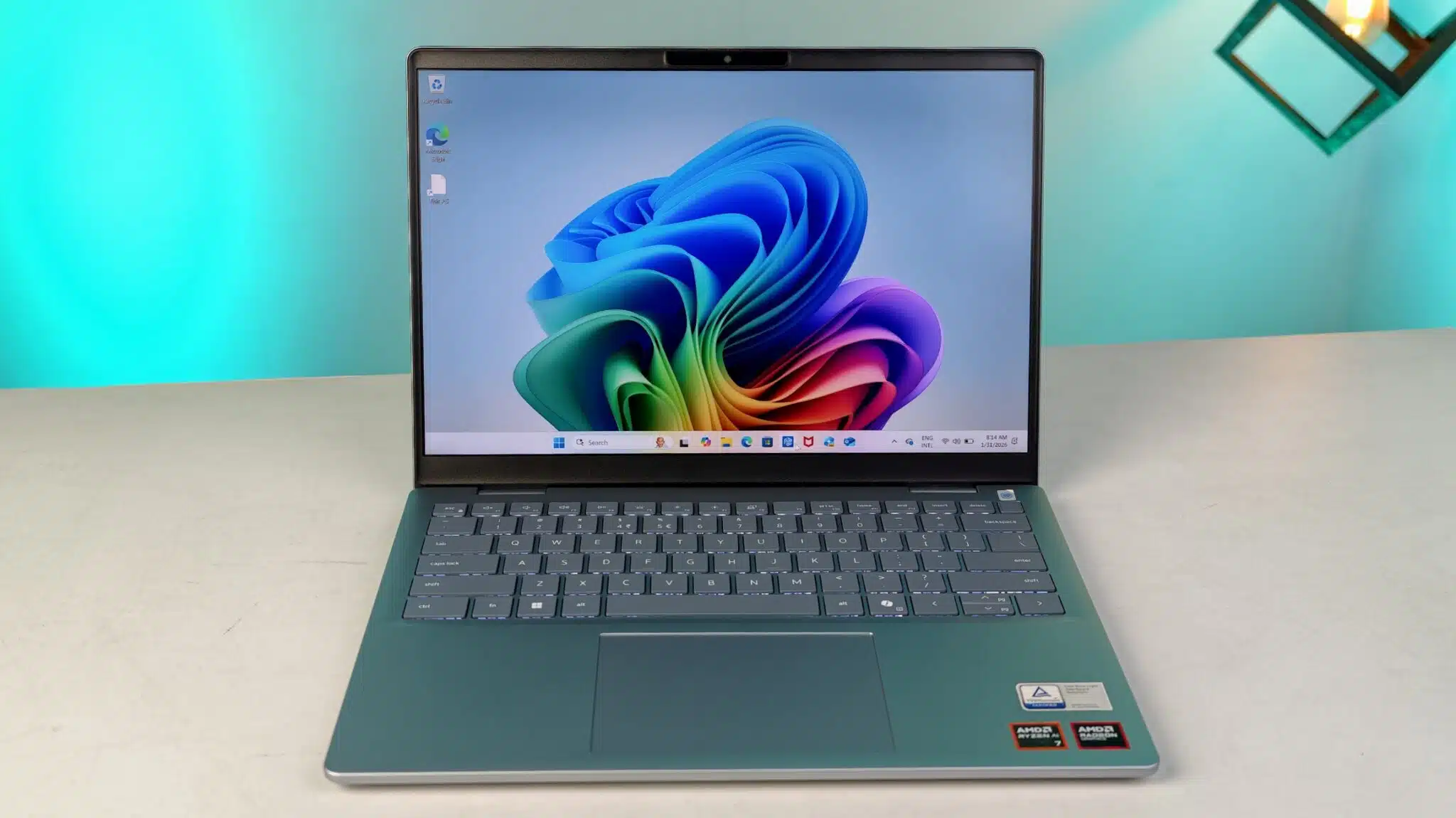


Microsoft has announced it will offer one year of free Extended Security Updates (ESU) for Windows 10 users in the European Economic Area (EEA). This is quite a departure from its global plan, which requires users to pay for security patches once the operating system officially loses support on October 14, 2025. The change comes as a direct response to the European Union’s Digital Markets Act (DMA), which has been steadily reshaping how large tech companies operate across the region.
Key Takeaways
- Free updates in Europe: Microsoft will provide one year of free Extended Security Updates (ESU) for Windows 10 users in the European Economic Area after support ends on October 14, 2025.
- Global users must pay: Outside the EEA, users will still need to purchase ESU, starting at $61 for the first year and rising in subsequent years.
- Driven by EU regulation: The move comes in response to the European Union’s Digital Markets Act, which restricts “gatekeeper” companies from pushing users into newer products unfairly.
- Different treatment by region: Consumers in Europe get a cost-free extension, while those in countries like India face the full paid program.
- Broader implications: The decision highlights how regional laws can shape global tech policies and could spark wider debate on consumer rights and software support.
For anyone still running Windows 10 in the EEA, this means security updates will continue for a year after the end-of-support date, without the added cost.
The reasoning is fairly straightforward. The DMA prevents “gatekeeper” companies from pushing users into newer products by tying or limiting essential services. Charging for Windows 10 security updates, regulators argue, could effectively force people toward Windows 11, even when their older computers can’t meet its stricter hardware requirements.
So, who actually benefits? The free offer covers consumers in all 27 EU countries, plus Iceland, Liechtenstein, and Norway. Outside of this region though, things don’t change. Users in India and elsewhere will still need to pay for the same updates.
The Digital Markets Act’s Role
Windows 10, which remains in use on millions of devices worldwide, is officially scheduled to stop receiving free security patches after October 14, 2025. Microsoft set up the Extended Security Updates program to cover this gap, but it was initially a paid plan for everyone. Outside Europe, the price tag is steep: $61 for the first year, doubling to $122 in the second, and then $244 for the third.
The DMA, however, complicates that approach in Europe. By labeling Microsoft a “gatekeeper,” the law applies strict rules to ensure competition and consumer choice. Charging for updates might have been seen as a form of coercion, nudging people toward new hardware and Windows 11 licenses. Rather than risk legal trouble or hefty fines, Microsoft opted to make the first year of ESU free in the EEA.
The company says the move is about giving users flexibility, allowing them to keep their current devices secure a bit longer if they aren’t ready or able to upgrade.
What It Means Outside Europe
For users in India and most other countries, the choices are less forgiving. After October 2025, they’ll either have to buy new hardware that supports Windows 11, keep using Windows 10 without security protection (a risky option), or pay the escalating ESU fees. The contrast is hard to ignore, with Europeans receiving what amounts to a regulatory bonus while others carry the cost.
This episode underlines just how powerful regional laws can be in shaping the behavior of global tech companies. While Microsoft’s free offer in Europe only covers one year for now, it may influence wider conversations about software support and consumer rights. At the very least, millions of European users will have peace of mind knowing their machines remain protected a little longer, without having to spend extra.
Frequently Asked Questions (FAQs)
Q. What are Windows 10 Extended Security Updates (ESU)?
A. ESU is a paid service from Microsoft that provides critical security patches for Windows 10 after its official support period ends on October 14, 2025. These updates protect your computer from new viruses and security threats.
Q. Why is Microsoft offering free ESU only in Europe?
A. Microsoft is offering free ESU in the European Economic Area (EEA) to comply with the region’s Digital Markets Act (DMA). The regulation aims to stop large tech companies from forcing users to adopt new products, and this move gives European users more choice.
Q. When does Windows 10 support officially end?
A. The official end-of-support date for Windows 10 is October 14, 2025. After this date, it will no longer receive free security updates or technical assistance for most users.
Q. How much do Windows 10 ESU cost outside of Europe?
A. For individual consumers outside the EEA, the ESU program is expected to cost $61 for the first year, $122 for the second year, and $244 for the third year.
Q. Does this mean I don’t have to upgrade to Windows 11?
A. If you live in the EEA, this gives you an extra year to use Windows 10 securely without needing to upgrade. For everyone else, you will either need to upgrade to Windows 11, pay for ESU, or use an unsupported system, which is risky.
Q. Which countries are in the European Economic Area (EEA)?
A. The EEA includes the 27 member states of the European Union, plus Iceland, Liechtenstein, and Norway.