

The Android world keeps spinning, but not always smoothly for everyone. While the next big thing, Android 16, is now in the hands of developers and eager beta testers on various devices, a surprising twist hit users waiting for the current stable version, Android 15, on some of the most popular phones around – Samsung’s Galaxy lineup. It’s a stark contrast: one version pushing forward with new possibilities, the other causing unexpected headaches during deployment.
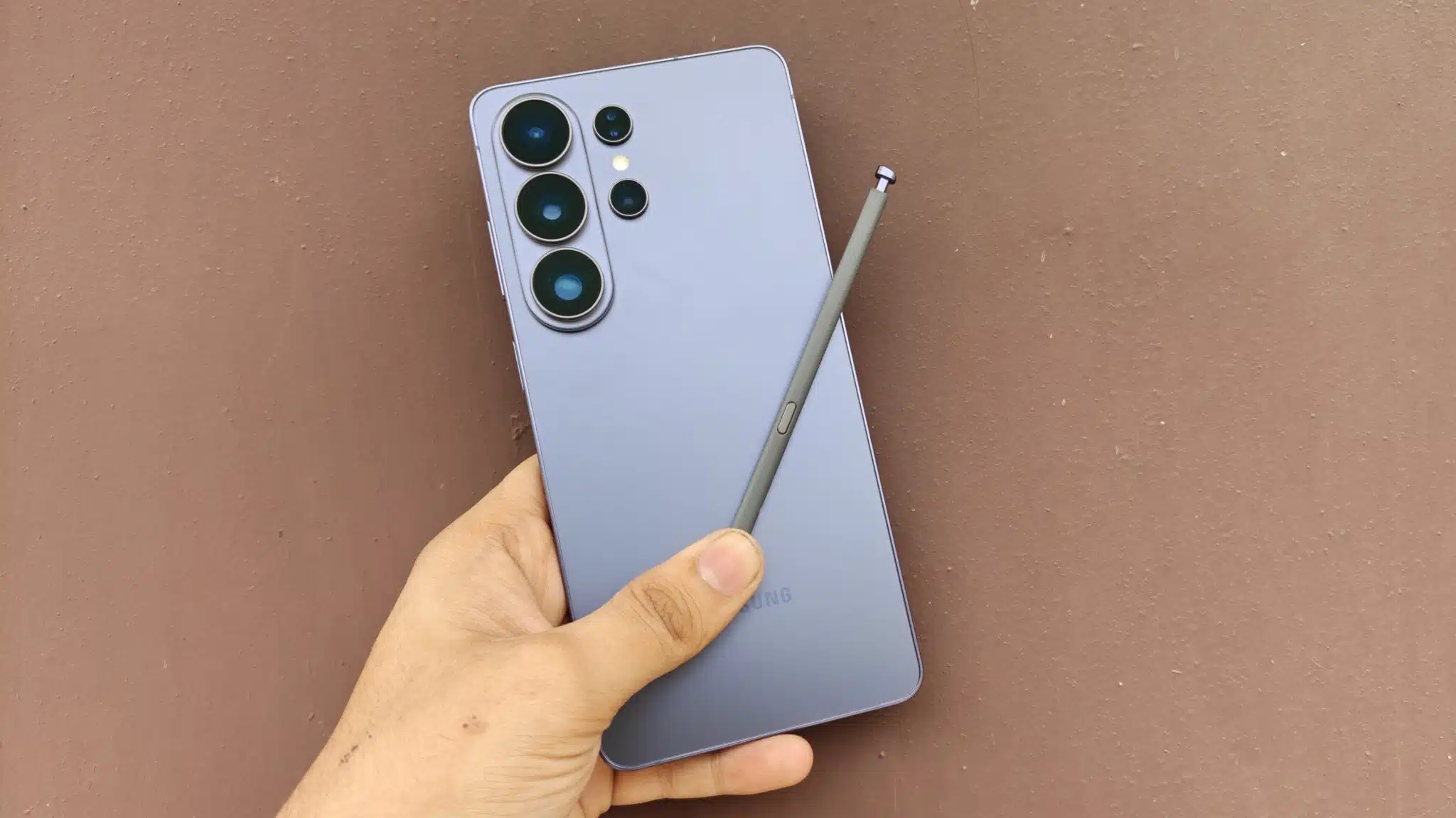
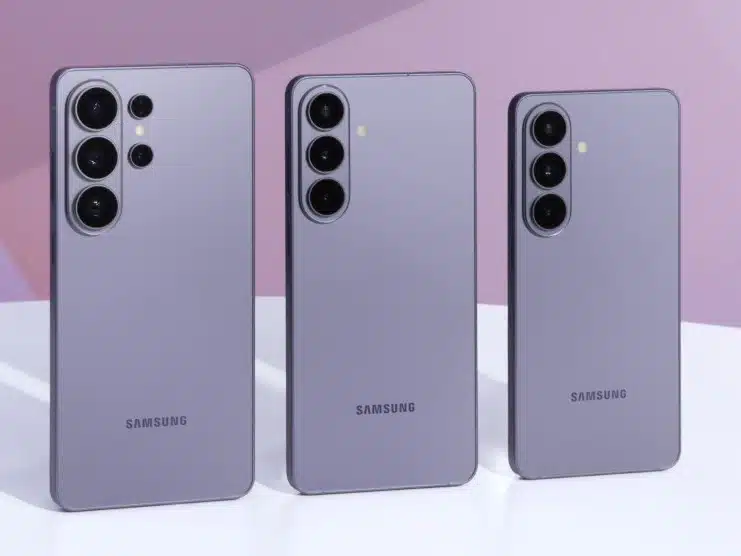
Just days ago, excitement rippled through the Samsung community. The stable update to One UI 7, built on the foundation of Android 15, began its rollout for flagship devices like the Galaxy S24 series. This is the moment many users eagerly await, promising new features, refinements, and performance improvements. The initial waves of updates started hitting phones in South Korea, followed by parts of Europe and North America. For many, it was a smooth transition, bringing a refreshed look and feel to their familiar devices.
But then, the reports started surfacing. A critical bug appeared, primarily affecting some Galaxy S24 users, particularly those in Samsung’s home country. The issue was severe: the update, instead of enhancing the phone, occasionally made it impossible to unlock. Imagine the frustration – your cutting-edge smartphone, rendered inaccessible after installing the very update meant to make it better. Social media and online forums quickly became a hub for affected users sharing their experiences.
Samsung, to its credit, acted relatively swiftly. Facing reports of this serious lock screen issue, the company temporarily paused the global rollout of One UI 7 for the affected models. This kind of halt, while frustrating for those still waiting, is a necessary step to prevent the bug from impacting a wider audience. It highlights the complex reality of deploying major software updates across millions of diverse devices and regions. Even with extensive testing, unforeseen issues can arise in the wild.
Sources indicate that Samsung identified the problem and began working on a fix immediately. As of April 15, 2025, Samsung reportedly resumed the One UI 7 rollout for the Galaxy S24 series with a revised firmware version aimed at addressing the unlocking bug. This is good news for S24 owners, signaling that the brief, anxious pause is over and the update path is clearing up again.
However, the incident serves as a reminder that even major Android updates can face bumps in the road, especially for manufacturers like Samsung who heavily customize the base Android experience with their own One UI layer. The process involves adapting Android’s core, integrating Samsung’s specific features and services, and optimizing it for a vast array of hardware configurations. This adds layers of complexity that Google, releasing Android primarily for its Pixel devices, doesn’t face on the same scale.
Meanwhile, the development of the next Android version, Android 16, continues its march forward. As of late April 2025, Android 16 is firmly in its beta phase, with Beta 4 recently released. This means the core features and APIs are largely finalized, and Google and its partners are working on squashing bugs and refining the user experience ahead of the stable launch.
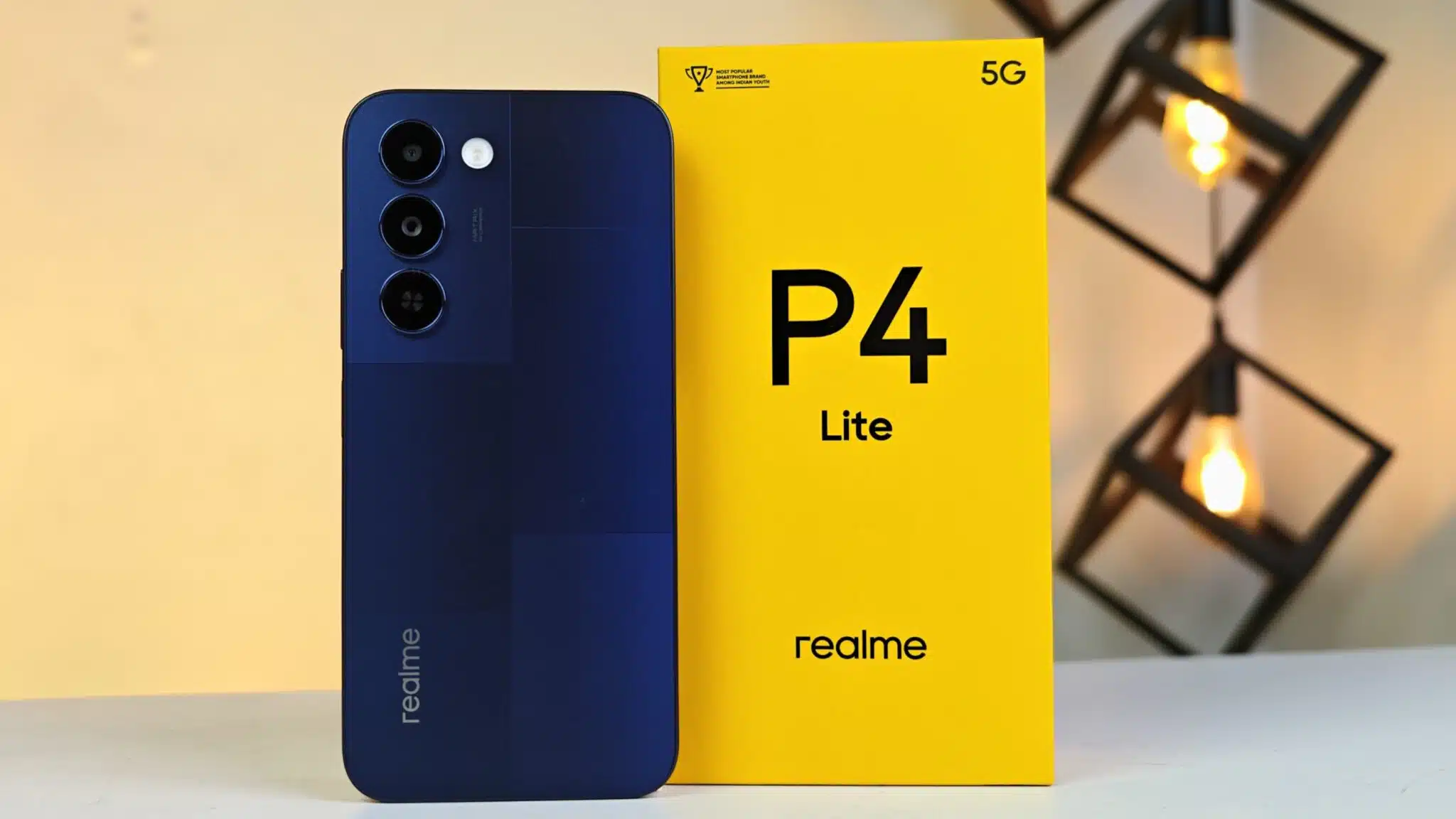
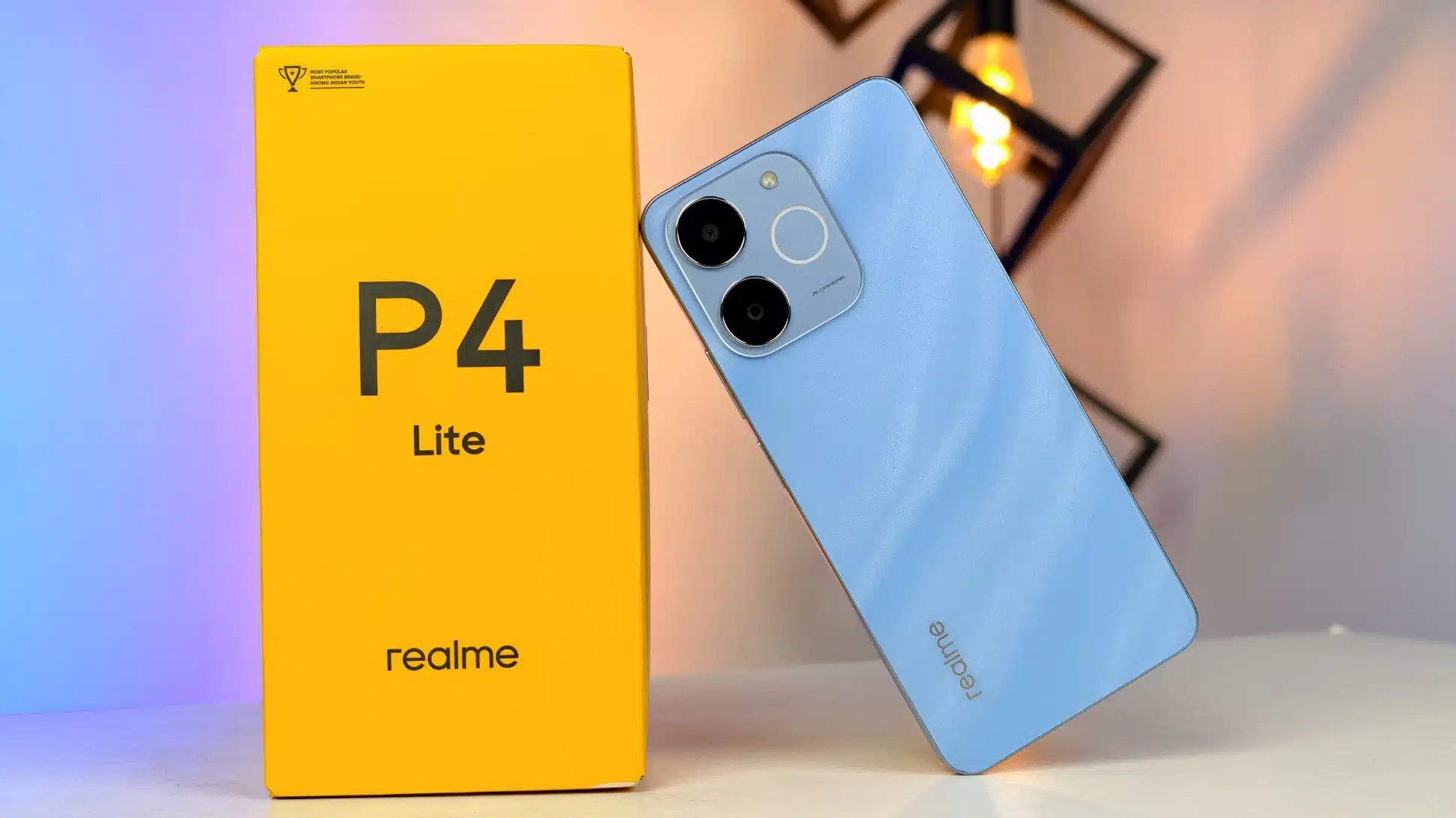
Early glimpses and developer information suggest Android 16 will bring further refinements to privacy and security, potentially new tools for developers related to performance and media, and likely more subtle user interface tweaks rather than a radical overhaul. Excitingly for users not tied to Samsung, the Android 16 Beta is already available on a range of flagship devices from other manufacturers, including OPPO, OnePlus, realme, Xiaomi, HONOR, iQOO, and vivo, alongside Google’s own Pixel phones (Pixel 6 and newer).
This availability on various non-Samsung devices underscores Samsung’s different approach. Samsung typically runs its own, more private beta program for its One UI based on the latest Android version, usually starting later in the cycle compared to other OEMs participating in Google’s public beta program. This means Galaxy users often get a highly polished, Samsung-specific beta experience, but they typically have to wait longer to try the very latest Android features compared to users on brands that jump into Google’s public beta earlier.
So, while Samsung was busy fixing a critical issue with its Android 15 rollout, other players in the Android ecosystem were already providing users with a taste of Android 16. This highlights the inherent tension and staggered nature of Android updates across different manufacturers. Google provides the core software, but each OEM adds its own layer, leading to varying timelines and occasional, though hopefully rare, stumbles like the recent One UI 7 unlocking bug.
Looking ahead, Samsung will continue its One UI 7 (Android 15) rollout to more devices, including older flagship series like the Galaxy S23, Z Fold5, and Z Flip5 in the coming weeks and months. Even some older models like the Galaxy S22 series are expected to receive the One UI 7 update, though they might miss out on some of the newer, AI-centric features found on the latest hardware.
As Samsung navigates the final stages of its Android 15 deployment, the whispers and early builds of Android 16 serve as a reminder that the cycle of mobile innovation never truly stops. For users, it means a constant stream of new features and improvements are always on the horizon, even if the path to getting them occasionally hits a temporary roadblock. The recent One UI 7 pause is a testament to the complexities involved, but the swift resumption of the rollout with a fix demonstrates the commitment to getting the latest stable software into users’ hands, even while the next generation is already taking shape.