

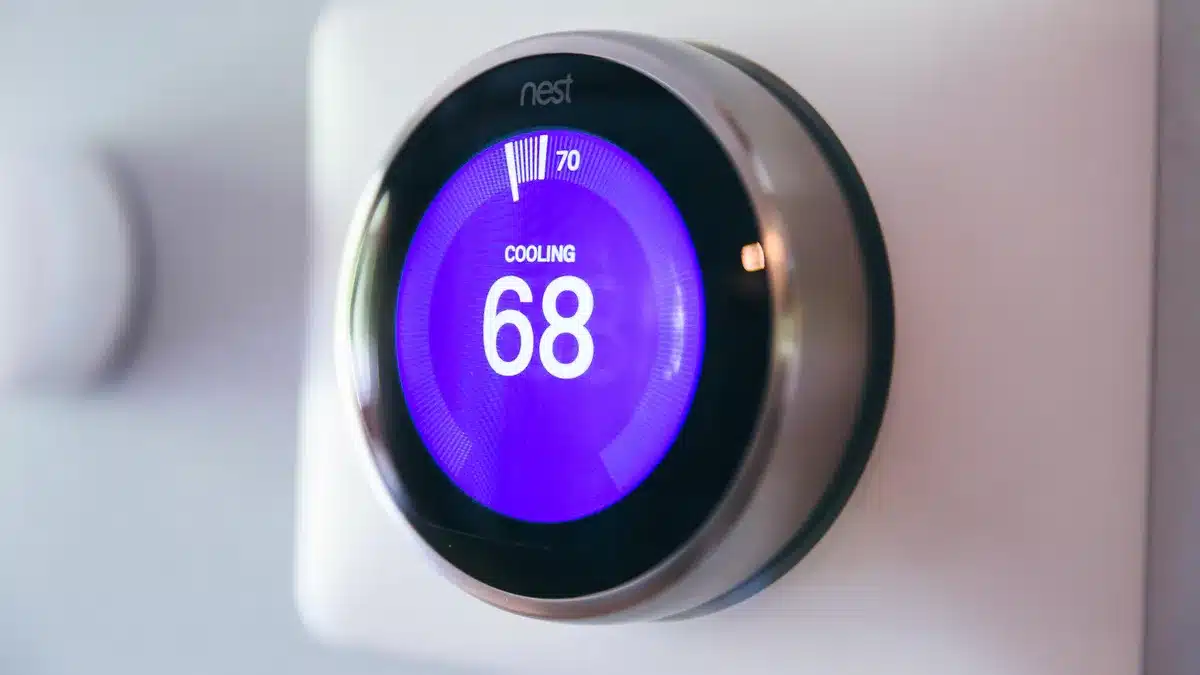
For years, your Nest Learning Thermostat has been a silent, intelligent partner in your home, diligently managing your heating and cooling, learning your habits, and saving you energy. You likely installed it with the promise of a smarter, more efficient future. But a significant change is coming that will fundamentally alter how your first or second-generation Nest Learning Thermostat functions, essentially rolling back its capabilities and disconnecting it from the smart home ecosystem you rely on. Get ready, because come October 25, 2025, your trusted smart thermostat is about to get a lot less smart.
Google, the parent company of Nest, recently announced that it will end support for the Nest Learning Thermostat (1st generation, released in 2011) and the Nest Learning Thermostat (2nd generation, released in 2012, including the 2014 European version). This isn’t just about no longer receiving software updates; it means these early models will lose their core smart functionalities.
Think about how you primarily interact with your Nest thermostat today. You likely use the Nest app or the Google Home app on your smartphone to adjust the temperature before you get home, check your energy usage, receive alerts, or integrate it with other smart devices and voice assistants like Google Assistant. All of that remote control and smart integration disappears on October 25, 2025.
Imagine this scenario: You’re heading home from a trip, and you want to warm up or cool down the house before you arrive. Typically, you’d just open the app and set the temperature. After October 25th, that simple convenience will be gone for owners of these older models. Your thermostat will no longer appear in the Nest or Google Home apps. You won’t be able to make adjustments from your phone or tablet, no matter where you are.
For many homeowners, the Nest Learning Thermostat was the gateway to a smarter, more efficient living space. Its sleek design and promise of energy savings felt revolutionary. You installed it, watched it learn your routine, and enjoyed the convenience of controlling your home’s temperature from anywhere using your phone. But if you own one of the earlier models, a significant and perhaps unwelcome change is on the horizon that strips away the very features that made your Nest thermostat “smart.”
Google has announced it will end support for the first and second generations of the Nest Learning Thermostat, effective October 25, 2025. This isn’t merely the end of software updates; it means these devices will lose crucial connectivity and smart functionalities they’ve had since you first screwed them onto your wall.
The affected models are the Nest Learning Thermostat (1st generation), originally released in 2011, and the Nest Learning Thermostat (2nd generation), which came out in 2012, including the European version from 2014. If you purchased your Nest thermostat in those early years, this change directly impacts your device.
So, what exactly happens on October 25, 2025? The most significant consequence is the loss of app control. Your 1st or 2nd Gen Nest Learning Thermostat will disappear from both the Nest app and the Google Home app. This means you will no longer be able to adjust the temperature remotely from your smartphone or tablet, check your home’s temperature status when you’re away, or receive notifications about your heating and cooling system.
Think about the convenience you’ve grown accustomed to: tweaking the temperature from bed on a cold morning, ensuring the house is comfortable before you arrive home from work, or getting an alert if something seems wrong with your system. All those actions performed through the app become impossible for users of these older thermostats after the cutoff date.
Beyond remote control, the end of support also severs connections with other parts of your smart home. Any integrations you had with third-party voice assistants, like Google Assistant or Amazon Alexa, will cease to function for these specific Nest models. Features that rely on connectivity, such as Home/Away Assist automatically adjusting the temperature based on whether you’re in the house, will also stop working. Your thermostat will no longer communicate with other Nest devices like Nest Protect smoke alarms for features such as emergency shut-off.
Essentially, your early Nest Learning Thermostat will revert to being a programmable thermostat, albeit a very expensive one originally. You will still be able to manually adjust the temperature directly on the device’s dial. Any existing pre-set schedules you configured directly on the thermostat itself should continue to run. However, you lose the dynamic, adaptive learning capabilities and the convenience of managing your climate from anywhere.
Google states that while the thermostat will continue to function manually, it will no longer receive software or security updates. While the immediate impact might seem limited to losing smart features, the lack of ongoing updates could potentially lead to a decline in performance or introduce security vulnerabilities over time, though Google has not specified particular risks. It is important to note that Google is not “bricking” these devices entirely; they will still perform their basic function of controlling your HVAC system based on manual input or existing on-device schedules.
Recognizing that this change significantly diminishes the value of these early devices, Google is offering a pathway forward for affected customers in the United States and Canada. Owners of the 1st and 2nd generation Nest Learning Thermostats will receive discount codes that they can use towards the purchase of a newer 4th generation Nest Learning Thermostat. This offer aims to soften the blow and encourage users to upgrade to a currently supported model that integrates fully with the Google Home ecosystem. US customers are expected to receive a $130 discount code, while Canadian customers will get a $160 CAD code. These discounts can be applied per affected thermostat owned, allowing users with multiple older devices to upgrade them all at a reduced cost.
However, the situation appears less favorable for customers in Europe and the UK. Google has indicated that the 4th generation Nest Learning Thermostat is not available in these regions and that there are no plans to launch any new thermostat models in Europe in the future. This leaves European owners of the affected 1st and 2nd generation models without a direct upgrade path from Google. While their thermostats will also lose smart functionality on October 25, 2025, the option of a discounted replacement from Google is not on the table. This creates a disparity in how the end-of-support is being handled globally and may leave European customers feeling particularly unsupported.
The decision to end support for these early models highlights a challenge in the world of connected devices and the Internet of Things (IoT). When you purchase a smart product that relies on cloud services and ongoing software support, its long-term functionality can be tied to the company’s business decisions and evolving priorities. While the 1st and 2nd generation Nest Learning Thermostats have had a relatively long run for tech products (14 and 13 years respectively by the support end date), their reliance on Google’s infrastructure means their “smart” lifespan is ultimately dictated by the company.
For owners of these soon-to-be “dumb” thermostats, the options are clear: accept the reduced functionality and continue using the device as a basic programmable thermostat, or invest in a new smart thermostat. For those in the US and Canada, Google’s discount offer provides a clear incentive to stay within the Google Home ecosystem with a newer model. European users, however, face the decision of replacing their device with a model from a different manufacturer if they wish to maintain smart thermostat capabilities.
The upcoming change serves as a reminder for consumers about the inherent nature of cloud-connected devices. The initial purchase price is only part of the equation; the continued utility of the device depends on the provider’s ongoing support for the necessary online services and software. As the smart home landscape continues to evolve, understanding the long-term support commitments of the products we invite into our homes becomes increasingly important. For owners of the pioneering 1st and 2nd Gen Nest Learning Thermostats, October 25, 2025, marks a significant step back for their once cutting-edge devices.