The idea of carrying your official identification, like your driver’s license, right on your smartphone has been gaining traction. It promises convenience – one less card to worry about, potentially faster verification processes. But for many, a big question mark hangs over it: privacy. Handing over your entire ID, complete with address, birthdate, and physical characteristics, just to prove you’re old enough to buy something or enter a venue feels like oversharing in our increasingly digital world.
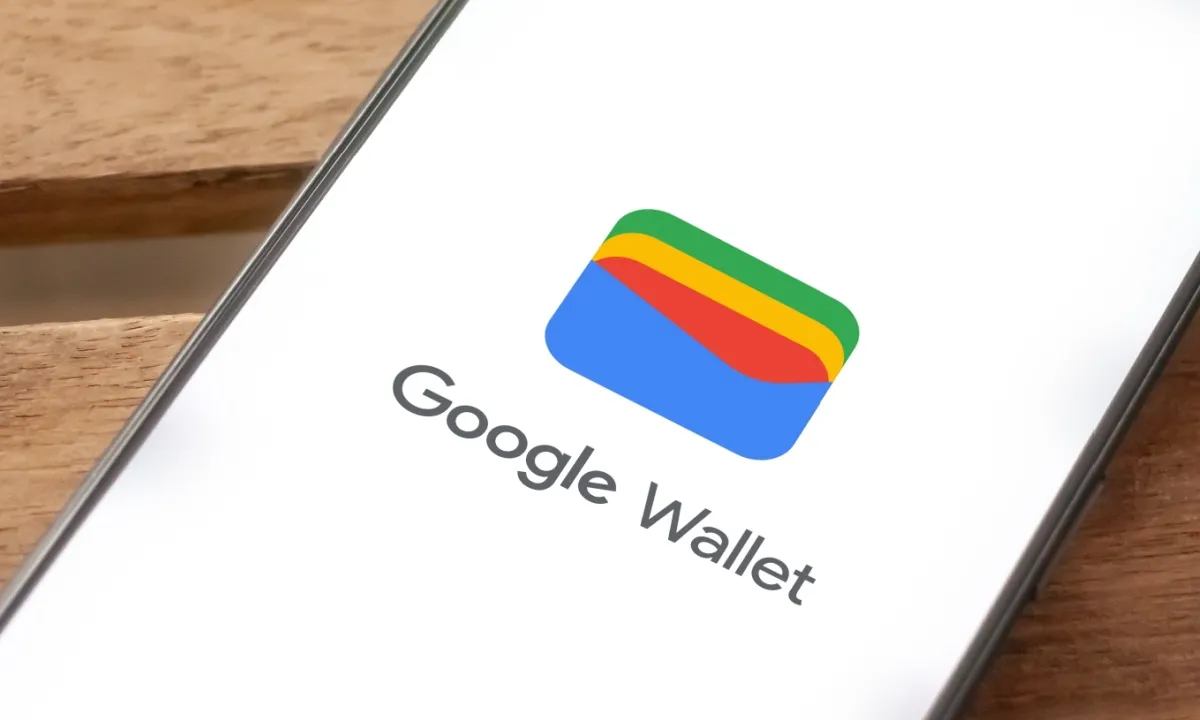
Google is stepping further into this space, announcing a significant expansion of its digital ID support within Google Wallet to more U.S. states, alongside a new feature designed specifically to address those privacy fears: private age verification powered by cutting-Knowledge Proof technology. This move aims to make the digital wallet a more versatile and secure place for your credentials, but the success hinges on building trust and demonstrating real privacy benefits.
More States Join the Digital Wallet Revolution
Following initial launches in a few pioneering states, Google Wallet is bringing the option to store a digital version of your government-issued ID to residents of Arkansas, Montana, Puerto Rico, and West Virginia. This adds to the list of states already supporting the feature, which includes Arizona, California, Colorado, Georgia, Maryland, and New Mexico.
This expansion means a growing number of Americans will soon have the choice to add their driver’s license or state ID to their Android phone. The process, according to Google, involves securely capturing images of your physical ID and a brief video of yourself, which is then verified by the issuing state agency. Once approved, an encrypted digital version lives securely on your device, accessible only after unlocking your phone.
For residents in states like Arizona, Georgia, Maryland, and New Mexico, the utility of their mobile ID is also expanding. Google is working with these states to allow the use of digital IDs at the Department of Motor Vehicles (DMV) itself, potentially streamlining what can often be a time-consuming in-person experience.
Furthermore, Google Wallet’s digital ID, when created from a U.S. passport, is gaining traction for domestic air travel. With the REAL ID deadline approaching in May 2025, Google highlights that this digital passport pass can be used at select TSA checkpoints, offering an alternative for travelers even if they don’t have a REAL ID-compliant driver’s license. It’s a nod to the growing acceptance of digital credentials in official capacities, though users are still advised to carry their physical ID as a backup.
Beyond government interactions and travel, Google is also paving the way for digital IDs to be used in everyday transactions. Partnerships are in the works to allow users to use their digital ID for tasks like recovering Amazon accounts, accessing online health services through platforms like CVS and MyChart by Epic, and verifying their identity on services such as Uber. This signals a future where your digital wallet becomes a central hub for verifying who you are across various online and offline services.
The Privacy Game Changer: Private Age Verification
While the convenience of a digital ID is clear, the thought of presenting it to a bouncer at a concert or a clerk at a store raises legitimate privacy concerns. Do they really need to see your home address, your full name, and your exact birthdate just to confirm you’re over 21? Google’s new private age verification feature aims to change that.
This feature leverages a sophisticated cryptographic technique called Zero Knowledge Proof (ZKP). Without getting overly technical, ZKP allows one party (your phone, holding your digital ID) to prove to another party (the verifier, like a store’s system) that a specific statement is true (e.g., “I am over 21”) without revealing any other information (e.g., your actual birthdate).
Here’s how it works in practice: When an app or service requires age verification, instead of displaying your full digital ID, Google Wallet can use ZKP to simply confirm that you meet the required age threshold. Your phone communicates with the verifier’s system, performs a cryptographic check using the data from your secure digital ID, and provides a “yes” or “no” answer to the age question. Crucially, your birthdate, name, and other personal details remain private on your device.
Google plans to integrate this ZKP technology within its own products and partner with third-party apps and services. Imagine using your Google Wallet to verify your age for accessing age-restricted content online or for purchasing alcohol in a store, all without exposing your entire identity. Dating apps like Bumble, which require age and identity verification, are highlighted as potential partners that could use the digital ID for identity confirmation and ZKP for private age checks.
This focus on privacy by design is a critical step for widespread adoption of digital IDs. By separating the act of proving age from revealing full identity, Google addresses a major hurdle for users who are understandably protective of their personal information. The company also states its intention to open source its ZKP technology, which could encourage broader implementation across different digital wallets and online services, potentially setting a standard for privacy-preserving verification.
Building Trust in a Digital Future
The expansion of digital IDs in Google Wallet and the introduction of private age verification mark significant progress in the journey towards a more digital-first world. The convenience factor is undeniable – a single device could hold your payment cards, loyalty programs, event tickets, and official identification.
However, the success of these features depends heavily on user trust and the willingness of businesses and government agencies to adopt the technology. Google emphasizes the security measures in place, including encryption and the requirement for device authentication before sharing any information. The ZKP feature specifically targets the privacy concerns that could otherwise hinder adoption for age-restricted scenarios.
As more states come online and more businesses integrate with Google Wallet’s digital ID capabilities, the potential for a truly seamless digital identity experience grows. The shift from physical cards to secure digital credentials offers not only convenience but also the opportunity for enhanced privacy controls that weren’t possible before. The privacy-preserving age verification is a key piece of this puzzle, promising a future where proving you are who you say you are, or simply old enough, doesn’t have to mean putting all your personal details on display. It’s a step towards a more thoughtful approach to digital identity, prioritizing both functionality and the protection of sensitive information.