The digital entertainment landscape in India has gone through a decisive shift by early 2026. What once felt like a passing preference for short, fast content has quietly become the foundation of how entertainment itself is built and distributed. Snackable formats are no longer competing with long-form media. In many ways, they have replaced it as the default.
Short attention spans are now fueling a very real, very large economy. The online video market in India is projected to reach $18 billion in 2026, and that growth is not coming from a single source. It is being driven by a mix of paid subscriptions, regional storytelling, gaming formats that fit into spare minutes, and commerce that blends seamlessly into content. From micro-dramas that deliver an entire emotional arc in under two minutes to free-to-play games and scroll-first shopping feeds, the way Bharat consumes digital entertainment has been fundamentally rewritten.
Key Takeaways
- India’s online video market is reaching $18 billion in 2026, supported by a steady rise in paid subscribers and a sharp focus on regional and vernacular content.
- The micro-drama category is expanding rapidly, with platforms such as Kuku TV, Pocket TV, and Quick TV emerging as early leaders in this space.
- Free-to-play gaming has become the default entry point for digital games, with titles like Zupee and Ludo King continuing to dominate app store rankings.
- Commerce and entertainment have effectively merged, as short-form video platforms record a 3.6X increase in daily active users tied to shopping-driven content.
- AI-assisted production tools are helping creators build vernacular-first stories faster and at a fraction of traditional production costs.
The Rise of Micro-Dramas as the New Daily Soaps
Micro-dramas have arguably become the most defining entertainment format of 2026. These vertical, episodic stories usually run for just 60 to 90 seconds per episode, yet they manage to deliver cliffhangers, emotional payoffs, and serialized narratives that keep viewers coming back multiple times a day. What started as an experiment on social platforms has evolved into a structured and monetizable content economy.
Industry data suggests that India’s micro-drama market is on track to scale toward a $1 billion valuation by 2030. Right now, it resembles the early inflection phase seen in China a few years ago, where short episodic storytelling moved from novelty to mainstream habit almost quietly.
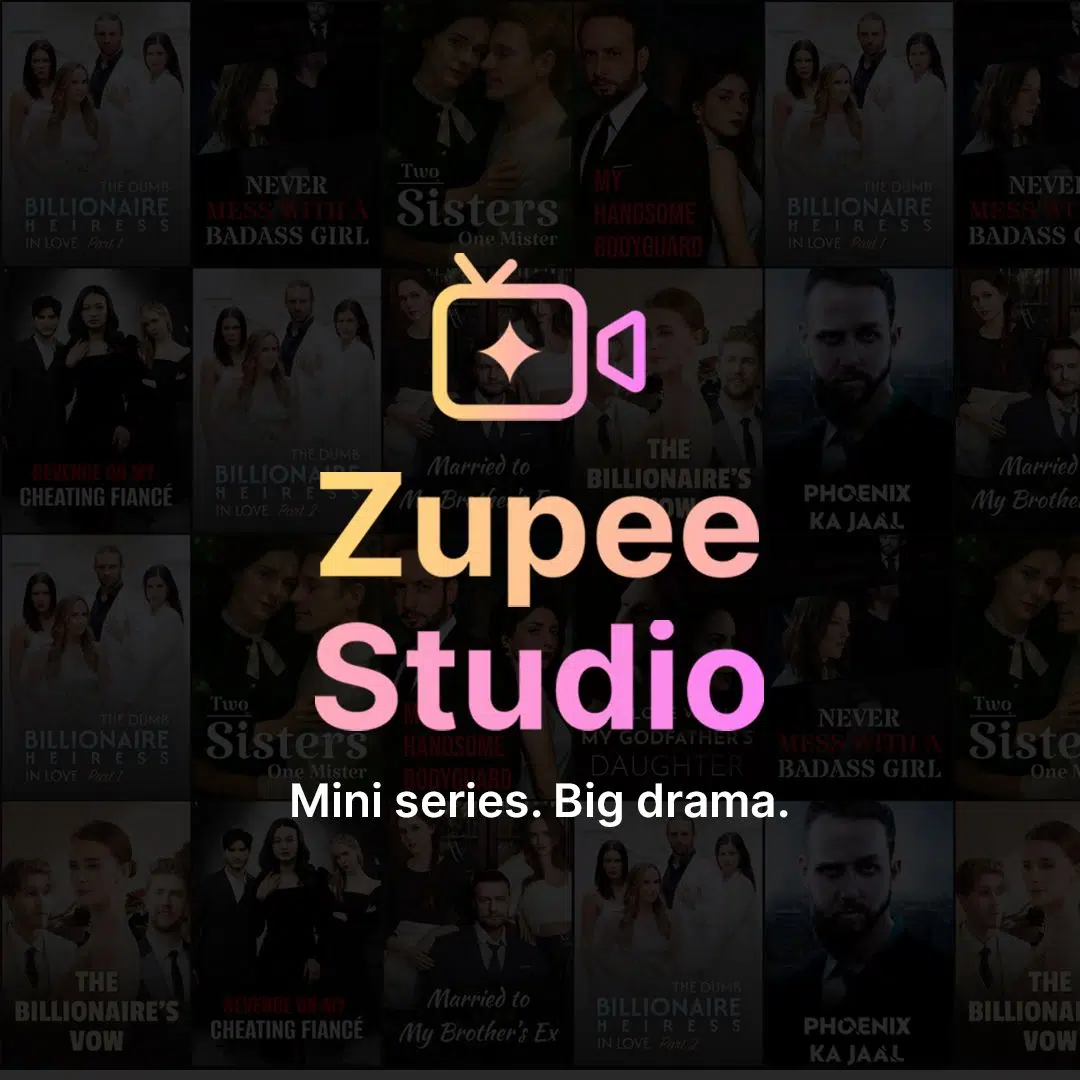
Platforms like Zupee Studio, Pocket TV, and Quick TV by ShareChat are central to this growth. Titles such as Meri Pyaari Maa and Billionaire in Love have posted record-breaking viewership numbers by compressing drama, conflict, and resolution into moments that fit neatly between daily tasks. Production costs are one of the biggest advantages here. At roughly ₹15,000 to ₹25,000 per minute, creators can release content faster, test storylines quickly, and adapt based on viewer response in near real time. Compared to traditional television cycles, this pace feels almost immediate.
Free-to-Play Gaming Is the New Playground
Gaming in India has largely settled into a free-to-play structure, and it seems unlikely to reverse. Upfront entry costs have disappeared, replaced by ad-supported rewards, optional in-game purchases, and progression systems that encourage repeat play without forcing it. This shift has turned casual gaming into something closer to a daily social habit, especially across Tier 2 and Tier 3 cities.
Zupee has maintained its position as a leader in this category, consistently ranking among the top free board games on both Google Play and the Apple App Store. The success of these platforms comes down to format as much as content. Games are designed for short sessions, the kind that fit into everyday “timepass” moments. A few minutes while waiting, commuting, or taking a break.
By layering skill-based mechanics onto familiar games like Ludo and Snakes & Ladders, these platforms manage to create emotional investment without overwhelming users. Daily streaks, light competition, and progression systems keep players engaged. The industry focus has clearly shifted from raw download numbers to depth of engagement. Gaming, in this context, feels less like a standalone activity and more like a form of shared storytelling within communities.
Shoppable Feeds and the Subscription Surge
The line between watching content and shopping for products has become increasingly difficult to separate. Short-form video platforms now function as live demonstration spaces, review hubs, and digital storefronts all at once. This seamless “click, watch, shop” flow has played a major role in accelerating the online video subscription market, which has grown from $700 million in 2020 to $3 billion in 2026.
Brands, too, are adjusting how they measure success. Surface-level impressions are giving way to trust-led influence, where credibility and narrative fit matter more than sheer reach. In 2026, advertising is often woven directly into micro-drama storylines. Products appear as part of the plot, not as interruptions. For viewers, this feels more natural, and perhaps that is why it works.
This approach has shown particular strength in regional markets. Cultural familiarity, language nuance, and relatable contexts drive higher engagement and stronger conversion rates. When viewers see themselves reflected in the content, the transition from entertainment to commerce feels less forced.
Frequently Asked Questions
Q1: What are micro-dramas and why are they popular in India?
A1: Micro-dramas are ultra-short vertical video series, typically with episodes lasting one to two minutes. They are popular because they offer quick escapism and high-intensity storytelling that fits easily into short breaks throughout the day.
Q2: Is free-to-play gaming safe and fair?
A2: Leading platforms such as Zupee use certified Random Number Generator (RNG) technology to maintain fairness. Since the free-to-play model removes entry fees, users can participate without financial risk, focusing on entertainment rather than stakes.
Q3: How is AI changing Indian content in 2026?
A3: AI tools are being used to shorten production timelines, assist with scriptwriting across multiple regional languages, and personalize content feeds. This helps creators scale faster and reach highly specific local audiences with greater efficiency.
Q4: Why is the market moving toward short-form video for shopping?
A4: Short-form video enables quick product demonstrations and more authentic creator-led reviews. This format captures attention faster than traditional advertising and offers a direct, in-app path to purchase.