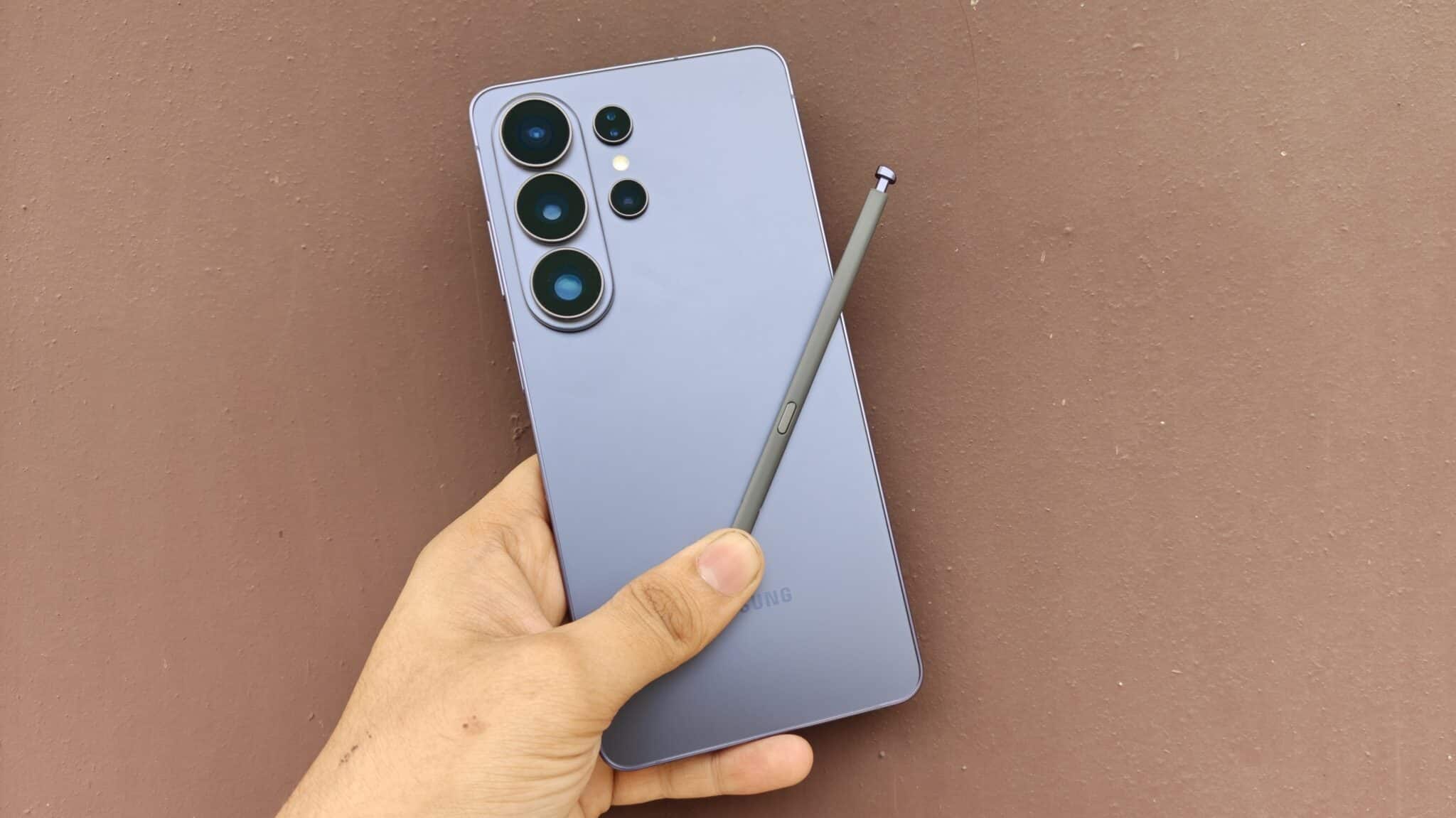


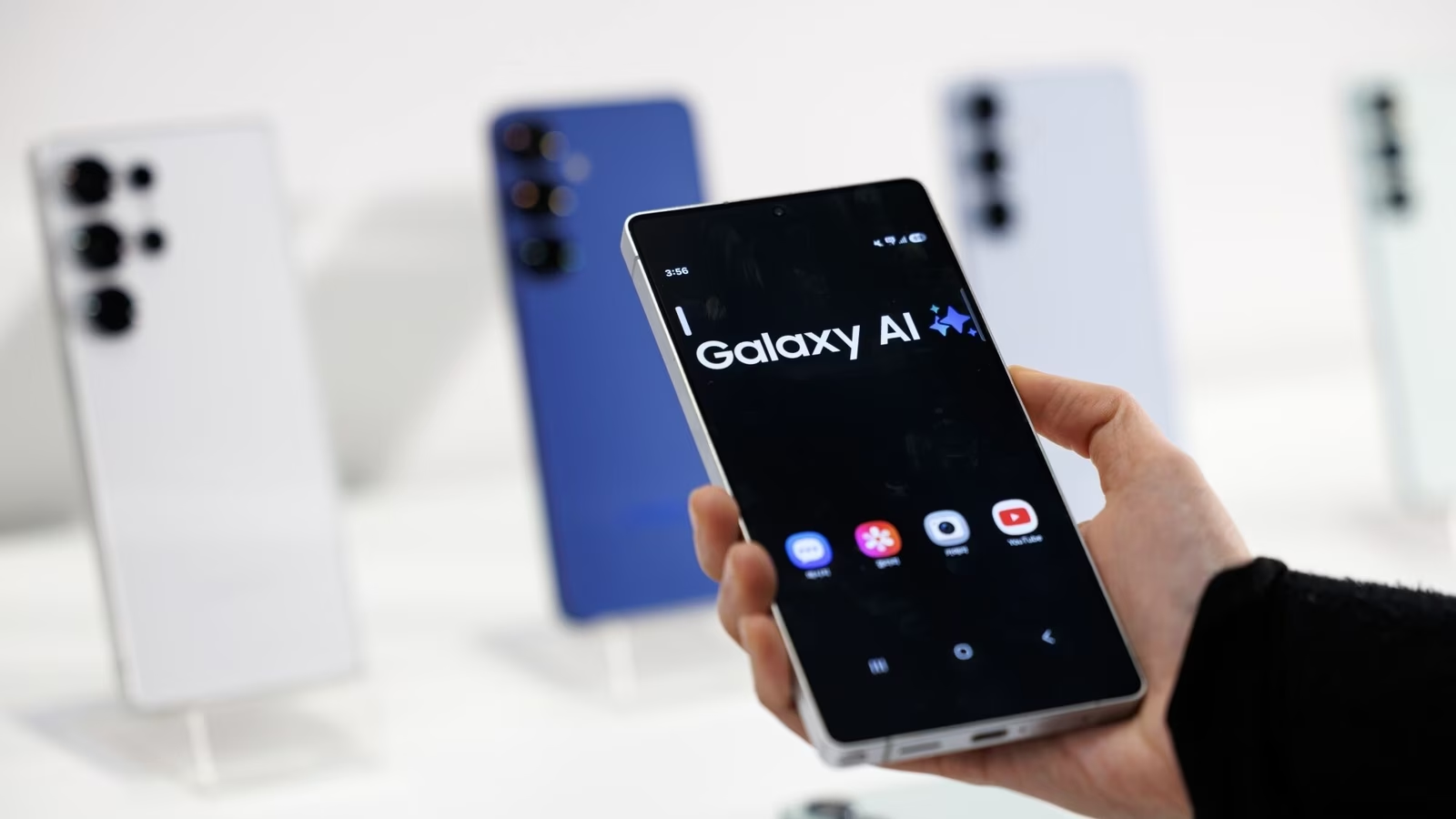
The smartphone arena is buzzing with predictions for 2026, and a recent report from Macquarie Research is stirring things up. According to the reputable firm, Samsung could make a bold leap in its Galaxy S26 series, potentially outfitting all models with 16GB of RAM. That’s a notable jump, especially when Apple’s iPhone 18 lineup is expected to stick with 12GB. This widening gap in memory could hint at deeper philosophical differences in how each tech giant is preparing for the future of on-device AI.
- Key Takeaways:
- The RAM Race: A Deeper Dive into Smartphone Memory
- Samsung’s Vision: Powering the AI Future with 16GB RAM
- Apple’s Approach: Optimization Over Raw Capacity?
- The Role of Research Firms: Understanding Industry Forecasts
- The Broader Picture: RAM and the Smartphone Evolution
- Frequently Asked Questions (FAQ)
Key Takeaways:
- Samsung’s Galaxy S26 may feature 16GB RAM across all models in 2026.
- This is up from the Galaxy S25’s 12GB, with 16GB only on some Ultra variants.
- Apple’s iPhone 18 is expected to hold steady at 12GB RAM.
- Samsung’s move is driven by rising demands from on-device AI.
- This could create a real performance difference, especially in AI-heavy tasks.
The RAM Race: A Deeper Dive into Smartphone Memory
RAM, or Random Access Memory, is basically your smartphone’s short-term memory. It holds the data your processor needs right now. More RAM lets you run more apps, flip between them smoothly, and handle tough tasks like gaming or video editing without things slowing down.
In recent years, Android flagships have typically offered more RAM than iPhones. That’s partly because Android needs to handle more background processes and customization. Apple, by contrast, gets a lot of mileage from its efficient software-hardware integration. But the growing importance of on-device AI might be reshaping those norms.
Samsung’s Vision: Powering the AI Future with 16GB RAM
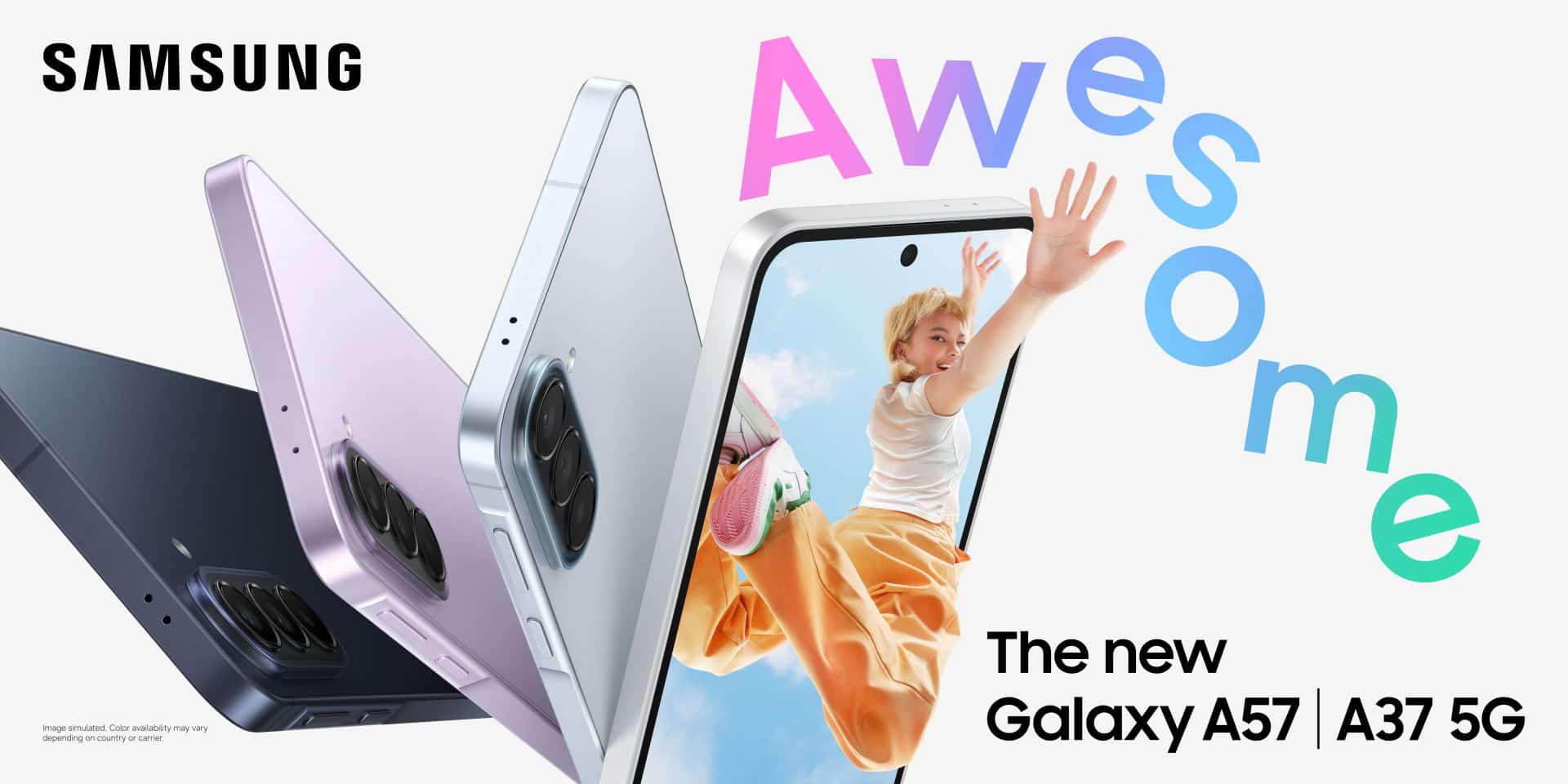
Macquarie Research points to Samsung planning a uniform 16GB RAM standard across the Galaxy S26 lineup. That would include base, Plus, and Ultra models—a significant step up. Currently, 12GB is more common, and only the S25 Ultra in markets like China and South Korea offers 16GB. If this pans out, 2026 could mark the first time Samsung goes all-in on high RAM since the Galaxy S20 Ultra and S21 Ultra.
Why the push? Well, on-device AI is the big story. This means AI features like real-time translation or advanced photo editing happen right on your phone, not the cloud. That’s faster, more private, and works even without internet—but it eats up memory. Running large language models (LLMs) and other AI tools locally needs a lot of RAM to be smooth and responsive.
For everyday users, a 16GB phone could mean:
- Smooth multitasking: Juggling apps, games, and work tools without slowdown.
- Faster AI: Quicker responses for AI-generated content or live translations.
- Future-readiness: Ready for next-gen apps that will demand more memory.
- Better gaming: Top-tier games will have room to breathe and perform.
Samsung seems to be betting that memory isn’t just a spec—it’s a foundation for next-gen AI experiences.
Apple’s Approach: Optimization Over Raw Capacity?
Apple has a different philosophy. Right now, iPhones like the iPhone 16 run with 8GB of RAM, and the iPhone 17 in 2025 is expected to upgrade to 12GB. But according to forecasts, Apple may stop there in 2026 with the iPhone 18.
Historically, this hasn’t been an issue. Apple’s iOS is built to squeeze the most out of its hardware, and its chips are incredibly efficient. But that efficiency might be tested as AI becomes more memory-hungry. Apple’s “Apple Intelligence” platform is impressive, but if AI tools start needing more RAM to run effectively, the 12GB cap might feel a bit restrictive in comparison.
Will Apple adapt? Maybe. But for now, it seems they’re holding firm on the belief that smart software trumps raw specs. Whether that will hold true in the AI-driven era remains to be seen.
The Role of Research Firms: Understanding Industry Forecasts
These RAM predictions come from Macquarie Research, via tipster Jukanlosreve. Macquarie is a global financial firm known for detailed market analysis. They tap into supply chains, tech trends, and insider insights to make their forecasts.
That said, predictions are still just that. Things can shift quickly in tech due to:
- Supply chain issues
- Market competition
- Surprise breakthroughs
- Changing consumer habits
Still, these kinds of reports help sketch out where companies are headed and how they’re preparing for future demands.
The Broader Picture: RAM and the Smartphone Evolution
This isn’t just about specs. It’s about how smartphones are evolving. As devices become more central to our lives—as assistants, cameras, creative tools—they need to keep up.
RAM doesn’t just help with AI. It supports AR apps, pro-level photography, and ensures your phone still feels snappy years down the line. Apple’s optimization is still impressive, but raw horsepower—especially memory—is gaining ground as a key differentiator.
If Samsung really does roll out 16GB across the Galaxy S26 lineup, it’s a sign they’re serious about leading the AI charge. Apple’s restraint, meanwhile, could either prove smartly efficient or a missed opportunity. Either way, it sets the stage for a compelling showdown in 2026.
Frequently Asked Questions (FAQ)
Q1: What is RAM in a smartphone and why is it important?
RAM is the memory your phone uses to handle active tasks. More RAM means smoother multitasking and better performance, especially with demanding apps or AI features.
Q2: What is “on-device AI” and how does RAM relate to it?
On-device AI runs directly on your phone, offering faster responses and more privacy. But it needs a lot of RAM to work well, especially with complex models.
Q3: How much RAM do current flagship smartphones typically have?
Many flagship Androids now come with 8GB to 12GB, with some Ultra models offering 16GB. iPhones generally have 8GB, moving to 12GB in the next generation.
Q4: Will 12GB of RAM be enough for iPhones in 2026 given Samsung’s potential 16GB?
Probably, for most users. But for heavy AI tasks or serious gaming, the extra 4GB in a Samsung device might offer more headroom and future-proofing.
Q5: What is Macquarie Research and how reliable are its predictions?
Macquarie Research is part of a global financial group. Their tech forecasts are data-driven and often accurate, but like any prediction, they’re subject to change as the market evolves.