Dell Technologies, the US-based global technology company, has unveiled a wide range of new consumer and gaming hardware at CES 2026 in Las Vegas. CES, often described as the world’s largest technology showcase, is where major brands usually lay out their vision for the year ahead. Dell’s announcements this time feel particularly broad, touching premium laptops, gaming systems, and professional displays in a way that seems aimed at covering almost every type of user.
One of the biggest highlights is the return of the XPS laptop line with a full redesign. Dell is clearly trying to refresh what XPS stands for, focusing heavily on making the machines thinner, lighter, and more visually distinct. Alongside this, the company is expanding its Alienware gaming portfolio, nearly doubling the number of available laptop models. On the professional side, Dell is also pushing boundaries by introducing what it calls the world’s first 52-inch 6K monitor, aimed squarely at users who need massive screen real estate. Taken together, these launches suggest Dell is trying to reach more customers across different budgets and use cases, rather than concentrating on just one segment.
Key Takeaways
- New XPS 14 and XPS 16 laptops measure just 14.6mm in thickness and promise long battery life
- A more affordable XPS 13 is planned for later this year
- Alienware is adding both ultra-slim and entry-level gaming laptops
- New gaming systems use Intel Core Ultra 200HX and AMD Ryzen 9850X3D processors
- A new 52-inch 6K UltraSharp monitor is designed to replace multi-screen setups
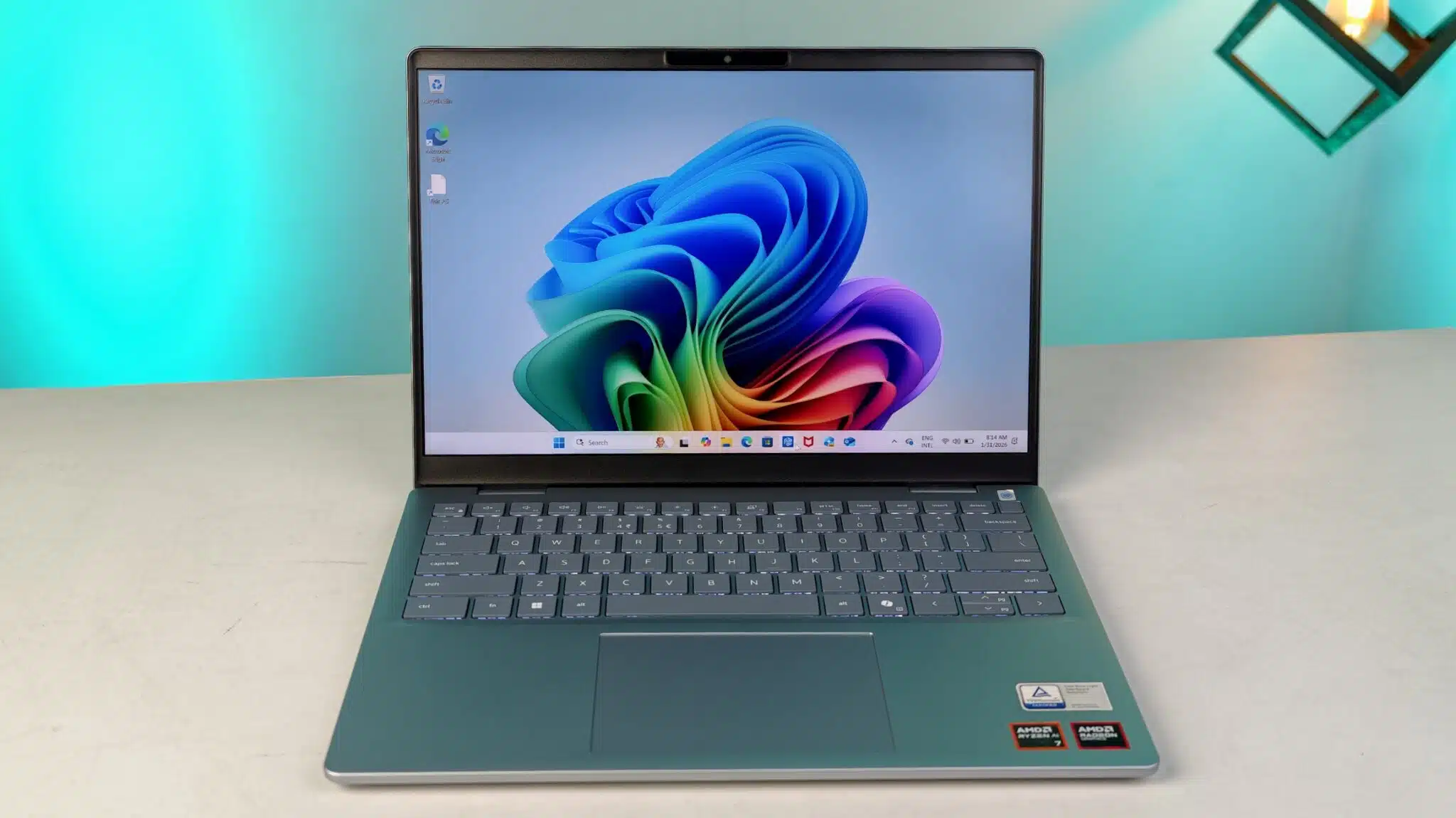
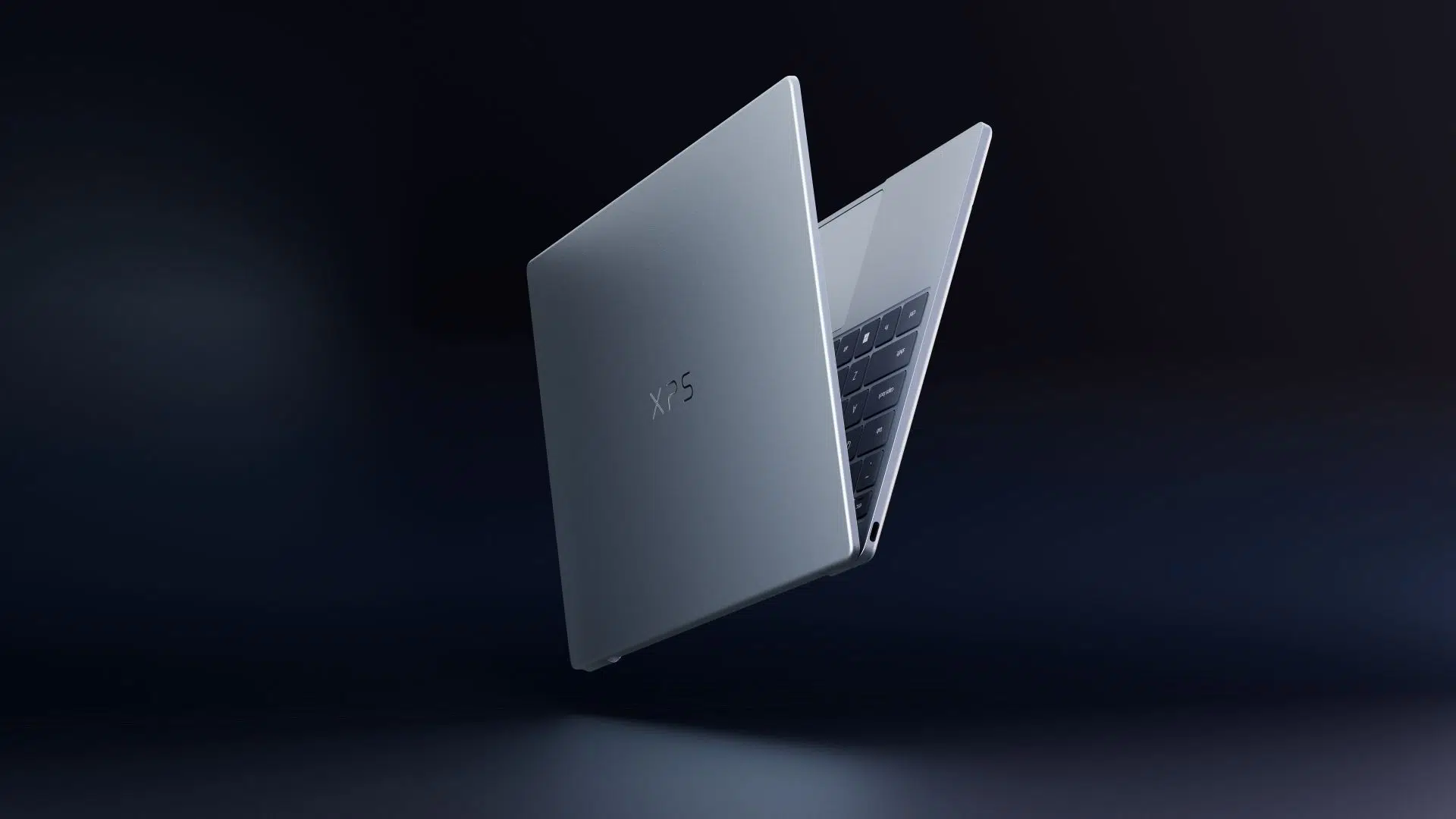
The XPS lineup, known as Dell’s premium, high-performance laptop family, is returning with a noticeably cleaner and more minimal design. For the first time, the familiar XPS logo is printed directly on the top cover, which is a small change but one that makes the devices easier to recognize. The new XPS 14 and XPS 16 are built from aluminum and are both just 14.6mm thin, which is impressive given their performance class. In terms of weight, the XPS 14 comes in at around 1.36 kg, while the larger XPS 16 weighs roughly 1.63 kg. They feel aimed at users who want power without carrying around something bulky.
Both laptops are powered by Intel Core Ultra Series 3 processors and rely on Intel Arc graphics with 12 Xe cores. Dell is also emphasizing battery life, perhaps more than before. According to the company, these machines can deliver up to 27 hours of Netflix streaming or more than 40 hours of local video playback. Real-world usage will always vary a bit, of course, but those numbers suggest Dell is taking efficiency seriously. Later in the year, Dell plans to introduce a new XPS 13, positioned as the lightest and most affordable option in the XPS range, which could make the lineup more accessible overall.
Alienware, Dell’s gaming-focused brand, is also seeing significant expansion. The company says it plans to double the number of Alienware laptop models, which is a notable shift. This includes a new ultra-slim laptop that measures just 17mm thick, clearly designed for gamers who travel often, as well as a more budget-friendly model intended for newcomers to PC gaming. It feels like Alienware is trying to soften its traditionally hardcore image, at least a little, to appeal to a broader audience.
Recent additions such as the Alienware 16 Area-51 and 16X Aurora laptops now feature anti-glare OLED displays. These screens are designed to deliver deep blacks and vibrant colors while remaining readable in bright environments, something gamers often struggle with. Performance-wise, these systems are built around Intel Core Ultra 200HX processors. On the desktop side, the Alienware Area-51 Desktop is getting an update too, with the inclusion of the AMD Ryzen 9850X3D processor. This chip uses second-generation 3D V-Cache technology, which is specifically tuned to improve gaming performance, especially in CPU-heavy titles.
Dell’s UltraSharp monitor lineup is also pushing into new territory. The UltraSharp 52 Thunderbolt Hub Monitor is being described as the world’s first 52-inch 6K display. It’s aimed at professionals such as financial traders, data scientists, and engineers who often rely on multiple monitors at once. This single, large curved screen offers a 120Hz refresh rate and can connect to up to four computers, potentially replacing complex multi-screen setups and reducing desk clutter. For some users, that simplicity alone could be a major selling point.
Another addition is the UltraSharp 32 4K QD-OLED monitor, which targets creative professionals like video editors and designers. It uses a special anti-glare coating to reduce reflections, making it easier to work in bright offices without sacrificing color accuracy. Dell has also included a built-in color accuracy checking tool, which could be useful for professionals who need consistent, reliable visuals throughout their workflow.
Related FAQs
Q1: When can I buy the new Dell XPS laptops?
A1: Dell unveiled the XPS 14 and XPS 16 at CES 2026, and they are expected to go on sale soon. The more affordable XPS 13 is planned for later this year.
Q2: How long does the XPS 16 battery last?
A2: Dell says the XPS 16 can stream Netflix for up to 27 hours or play local videos for over 43 hours on a single charge.
Q3: What processors do the new Alienware laptops use?
A3: The latest Alienware laptops are powered by Intel Core Ultra 200HX processors, while the flagship desktop model uses the AMD Ryzen 9850X3D.
Q4: What is the main benefit of the new 52-inch UltraSharp monitor?
A4: It is the world’s first 52-inch 6K monitor with a 120Hz refresh rate and can replace several smaller screens, helping reduce desk clutter.
Q5: What makes the UltraSharp 32 4K QD-OLED monitor stand out?
A5: It is the first professional-grade QD-OLED monitor with anti-glare technology, designed for accurate color work even in brightly lit environments.