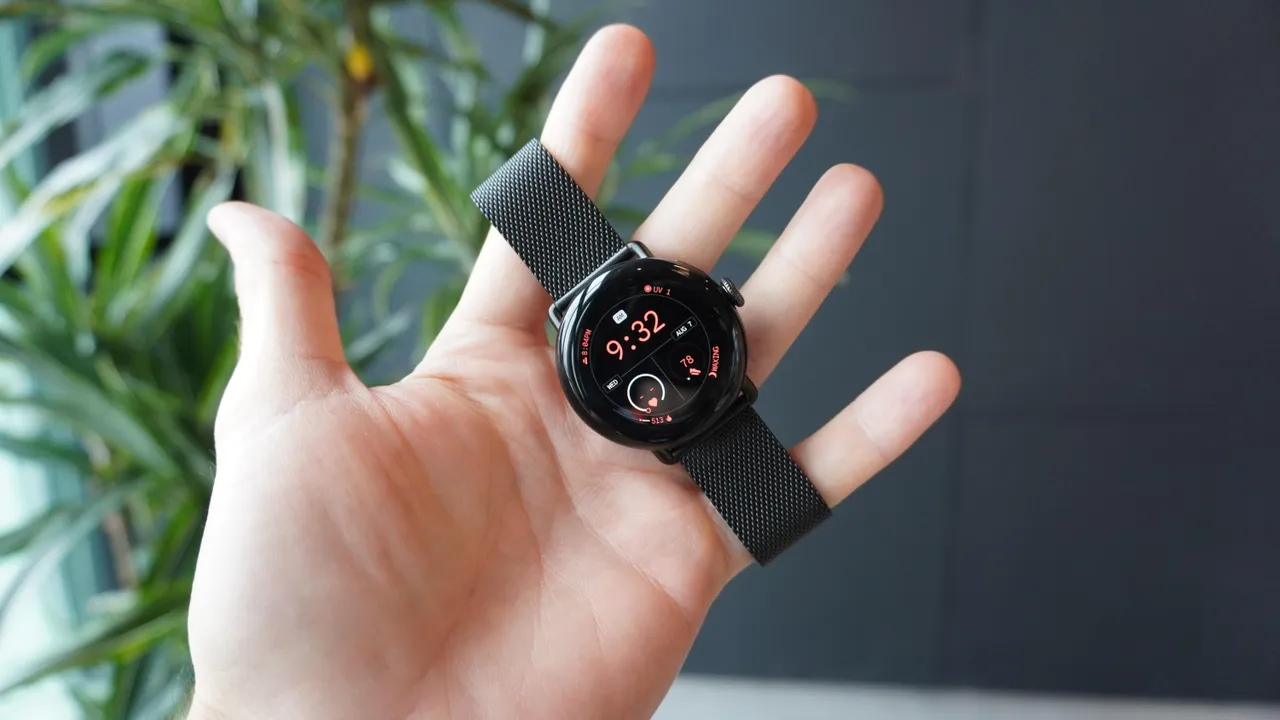
Imagine a device on your wrist so attuned to your body that it could detect even the faintest sign of trouble with your heartbeat. That might soon become a reality for users in the United States, as whispers grow louder about a potentially life-saving feature making its way to the upcoming Google Pixel Watch 3. While official details remain under wraps, the buzz surrounding a possible “loss of pulse detection” capability has sent ripples of excitement and anticipation through the tech and health communities alike. Could this be the next big leap in wearable technology, empowering users to take proactive steps towards their well-being?
The current generation of smartwatches, including Google’s own Pixel Watch 2, already boasts impressive health-tracking features. They can monitor your heart rate, track your sleep patterns, estimate your blood oxygen levels, and even detect falls. These features have proven invaluable for many, providing insights into their overall health and, in some cases, even alerting them to potentially serious medical conditions. However, the rumored “loss of pulse detection” for the Pixel Watch 3 appears to be taking things a step further, potentially offering a more critical and immediate form of health monitoring.
So, what exactly could this feature entail? While Google hasn’t officially confirmed its existence or provided specifics, the name itself suggests a capability to identify instances where the wearer’s pulse becomes undetectable. This could happen for various reasons, some benign and temporary, but others potentially indicative of a serious medical emergency such as cardiac arrest. If the Pixel Watch 3 could accurately detect such an event and promptly alert the user or emergency services, it could drastically improve the chances of survival.
The implications of such a feature are profound. Cardiac arrest is a leading cause of death globally, and rapid intervention is crucial. Having a device constantly monitoring for a pulse and capable of sounding an alarm in the absence of one could provide precious minutes for help to arrive. This could be particularly beneficial for individuals with pre-existing heart conditions, the elderly, or those who live alone. The peace of mind this feature could offer to both users and their loved ones is immeasurable.
Of course, the accuracy and reliability of such a feature would be paramount. Detecting the absence of a pulse consistently and accurately is a complex technological challenge. Smartwatches rely on optical sensors, typically using LEDs and photodetectors, to measure blood flow and calculate heart rate. Implementing a system that can definitively identify the cessation of this flow would likely require advancements in sensor technology, sophisticated algorithms, and rigorous testing.
Industry experts speculate that Google might be leveraging advancements in its sensor technology and machine learning algorithms to bring this feature to fruition. The company has been actively investing in health and fitness tracking capabilities for its wearables, and this potential addition would solidify its position as a leader in the smartwatch market. It’s also possible that Google is working in collaboration with healthcare professionals and organizations to ensure the accuracy and clinical relevance of this feature.
The potential rollout of this feature in the US also raises important questions about regulatory approvals and data privacy. Medical devices that make critical health claims often require clearance from regulatory bodies like the Food and Drug Administration (FDA). If the “loss of pulse detection” feature is intended to be used for medical purposes, Google would likely need to navigate this regulatory landscape to ensure its compliance and safety. Furthermore, the collection and storage of sensitive health data like pulse readings would need to adhere to strict privacy regulations to protect user information.
While the excitement surrounding this potential feature is understandable, it’s crucial to approach it with realistic expectations. Smartwatches are not medical-grade devices and should not be seen as replacements for professional medical care. The “loss of pulse detection” feature, if it exists, would likely serve as an early warning system, prompting users to seek immediate medical attention if an issue is detected. It’s essential for users to understand the limitations of the technology and to consult with their healthcare providers for any health concerns.
Nevertheless, the prospect of a smartwatch capable of detecting the absence of a pulse is a significant step forward in the evolution of wearable technology. It highlights the increasing potential of these devices to play a more active role in our health and well-being. As technology continues to advance, we can expect to see even more sophisticated health monitoring features integrated into our everyday wearables, empowering us to live healthier and potentially saving lives.
For now, the “loss of pulse detection” feature for the Pixel Watch 3 remains a highly anticipated possibility. As the expected launch date draws closer, tech enthusiasts and health-conscious individuals will be eagerly awaiting official confirmation from Google. If this feature does indeed make its way to the US market, it could mark a turning point in how we interact with our wearable devices and how they contribute to our overall health. It’s a development that warrants close attention, as it could signify a future where our smartwatches are not just tools for communication and convenience, but also guardians of our well-being. The question remains: could your next Pixel Watch be a silent sentinel, ready to alert you when your heartbeat falters? Only time will tell, but the anticipation is certainly building.