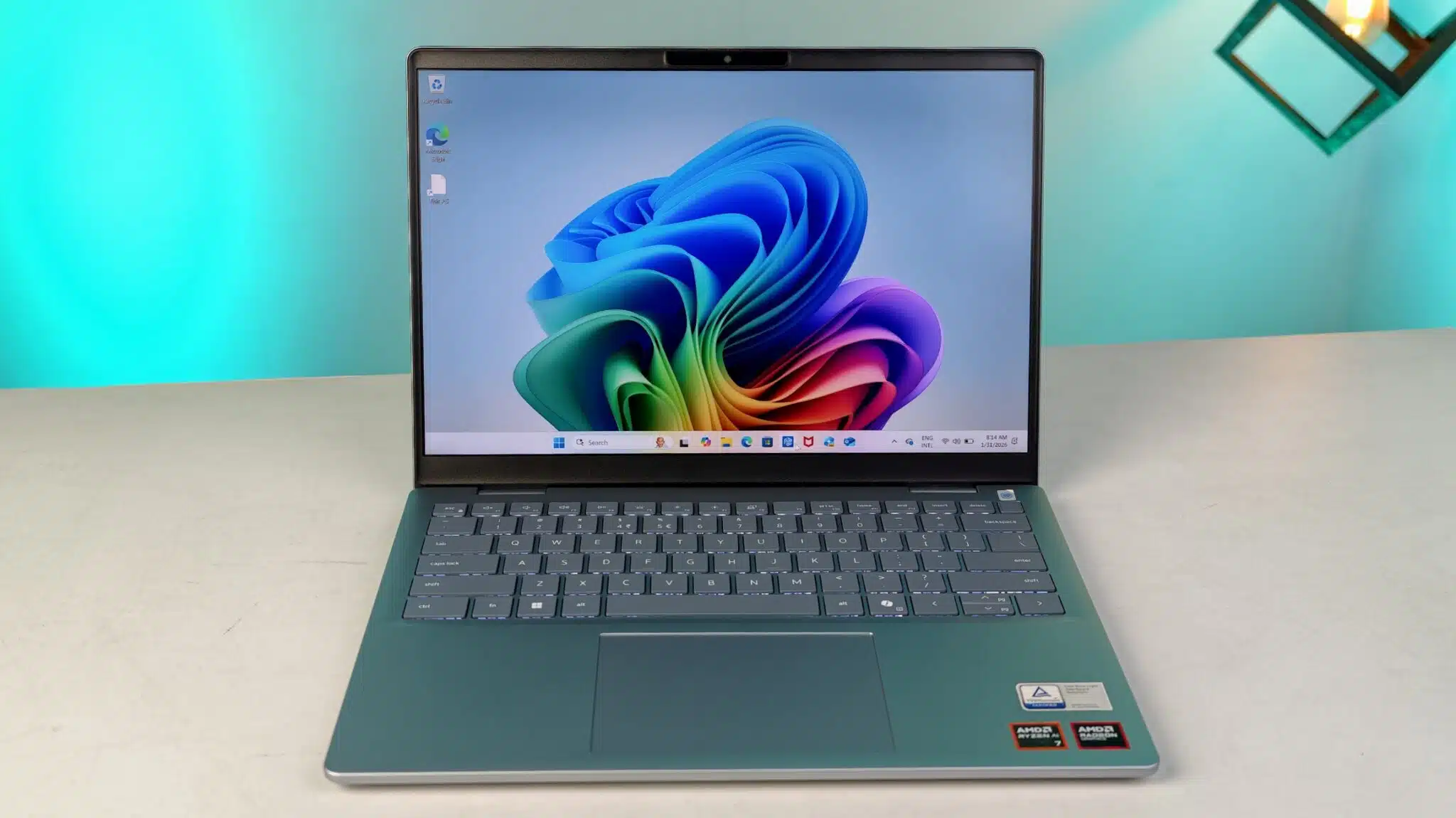



ASUS has had a strong showing at the Consumer Electronics Show 2026 in Las Vegas, taking home eight CES Innovation Awards for its newest laptops and PC components. The recognition spans multiple categories, including computer hardware, gaming, and sustainable product design, and it reflects how the company is steadily weaving artificial intelligence into everyday computing while also paying attention to materials and long-term usability.
CES, organized annually by the Consumer Technology Association, is widely regarded as one of the most influential global tech trade shows. It is where brands often set the tone for the year ahead. The Innovation Awards program, in particular, is meant to spotlight products that stand out for both engineering and design. In that context, ASUS earning eight awards in one year is not a small achievement, and it hints at how broad its current product strategy has become.
Key Takeaways
- ASUS won a total of eight CES 2026 Innovation Awards across laptops and PC components.
- The Zenbook A16 is powered by an 18-core Snapdragon X2 Elite Extreme processor.
- The ProArt PX13 GoPro Edition is designed specifically for mobile creators and video professionals.
- The ROG Crosshair X870E Glacial motherboard was recognized for its overclocking capabilities and AI-focused features.
One of the most talked-about winners is the ASUS Zenbook A16 (UX3607). This is a 16-inch laptop that manages to weigh just 1.2kg, which, frankly, is quite impressive for its size. For office professionals and students in India who commute daily, that kind of weight difference can matter more than spec sheets sometimes suggest. ASUS has used a material it calls Ceraluminum for the chassis, aimed at reducing fingerprints, scratches, and general wear that builds up over time.
Under the hood, the Zenbook A16 runs on a Snapdragon X2 Elite Extreme processor, paired with an 80 TOPS Neural Processing Unit. TOPS, or Trillions of Operations Per Second, is a metric commonly used to describe how quickly a system can process AI-related tasks. In practical terms, this translates to smoother features like real-time background blur during video calls, faster on-device translations, or smarter photo enhancements, all without pushing battery consumption too hard. It is not always something users notice immediately, but over time, it does change how responsive a laptop feels.
For creators, ASUS introduced something a bit more niche but arguably more interesting, the ProArt PX13 GoPro Edition. This device is the result of a collaboration between ASUS and GoPro, and it is clearly aimed at people who spend a lot of time editing action footage or working on the move. The laptop comes with a 360-degree hinge, allowing it to shift between laptop and tablet modes depending on the task. It weighs around 1.39kg and meets military-grade durability standards, which suggests it is built with travel and rough handling in mind.
The ProArt PX13 uses an AMD Ryzen AI Max+ 395 processor and supports up to 128GB of memory, which is more than most users will ever need, but professionals working with large video files will appreciate the headroom. ASUS has also added a dedicated GoPro Hotkey and bundled a one-year GoPro Premium+ subscription. This is clearly designed to simplify the workflow for editors dealing with 360-degree video, even if not everyone will use those features daily.
On the desktop side, ASUS also earned recognition for the ROG Crosshair X870E Glacial motherboard. While motherboards do not always get mainstream attention, they are essentially the foundation of any high-end PC build. This particular board supports DDR5 memory, includes seven M.2 slots for high-speed storage, and features a built-in five-inch LCD screen. That screen displays real-time system data such as CPU temperature and clock speeds, which can be genuinely useful during heavy gaming sessions or long video rendering workloads. For PC enthusiasts and builders in India, especially those interested in overclocking, these kinds of tools can make system monitoring more intuitive.
Frequently Asked Questions
Q1: What is an NPU and why does it matter in these laptops?
A1: An NPU, or Neural Processing Unit, is a specialized part of the processor designed to handle AI tasks efficiently. In laptops like the Zenbook A16, a higher TOPS rating, such as 80 TOPS, allows AI features like voice noise cancellation, image enhancement, or local AI generation to run faster while using less power.
Q2: Is Ceraluminum better than standard aluminum?
A2: Ceraluminum is a ceramic-based material developed by ASUS that combines the feel of ceramic with the structural strength of aluminum. It is intended to be more resistant to scratches and everyday wear compared to traditional aluminum laptop finishes.
Q3: What makes the ProArt PX13 different from a gaming laptop?
A3: The ProArt PX13 is built with creators in mind rather than gamers. It prioritizes color accuracy, professional-grade displays, and creative software tools like StoryCube. The 13-inch 3K OLED screen is tuned to deliver accurate colors, which is essential for photography and video editing work.