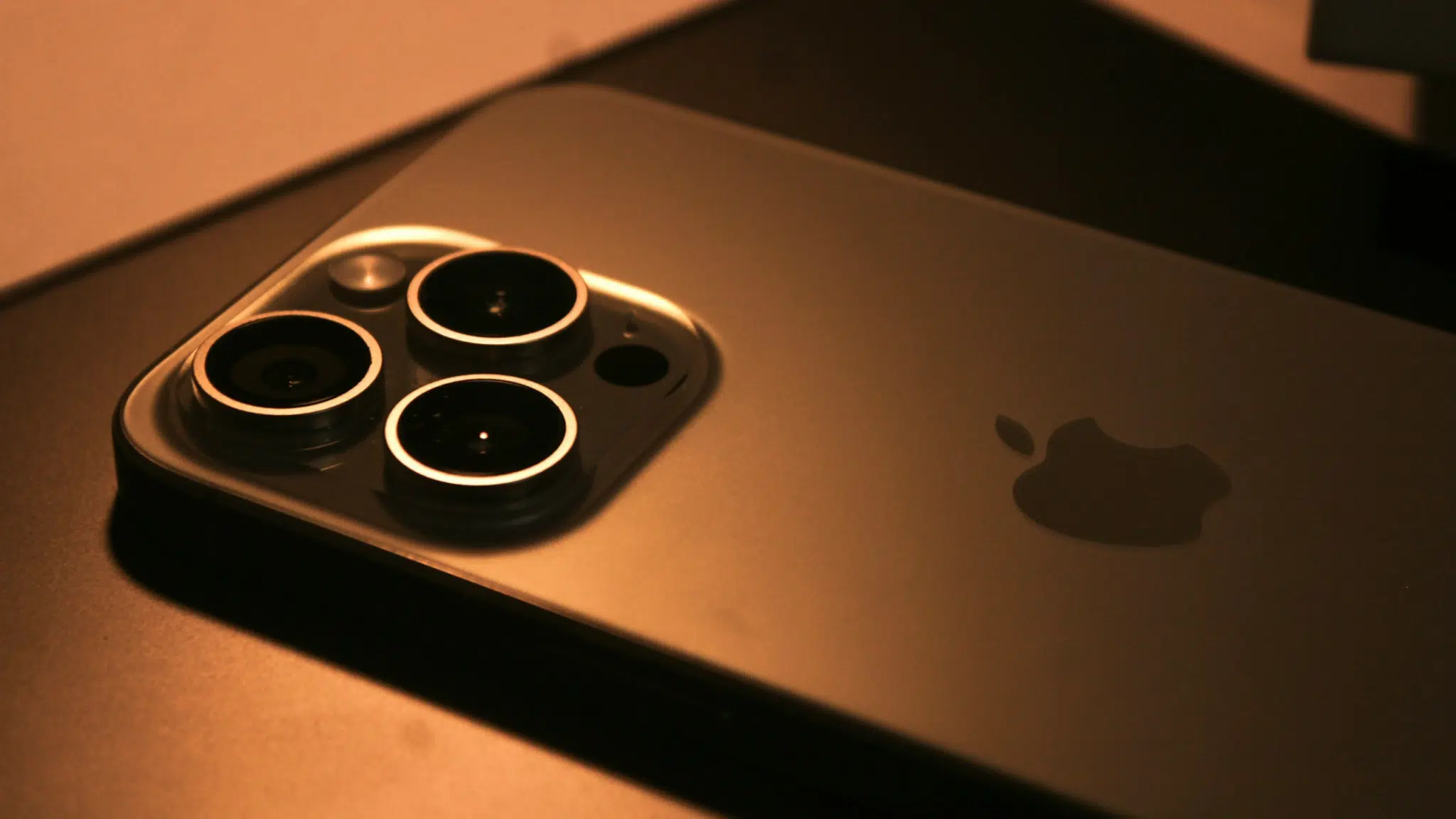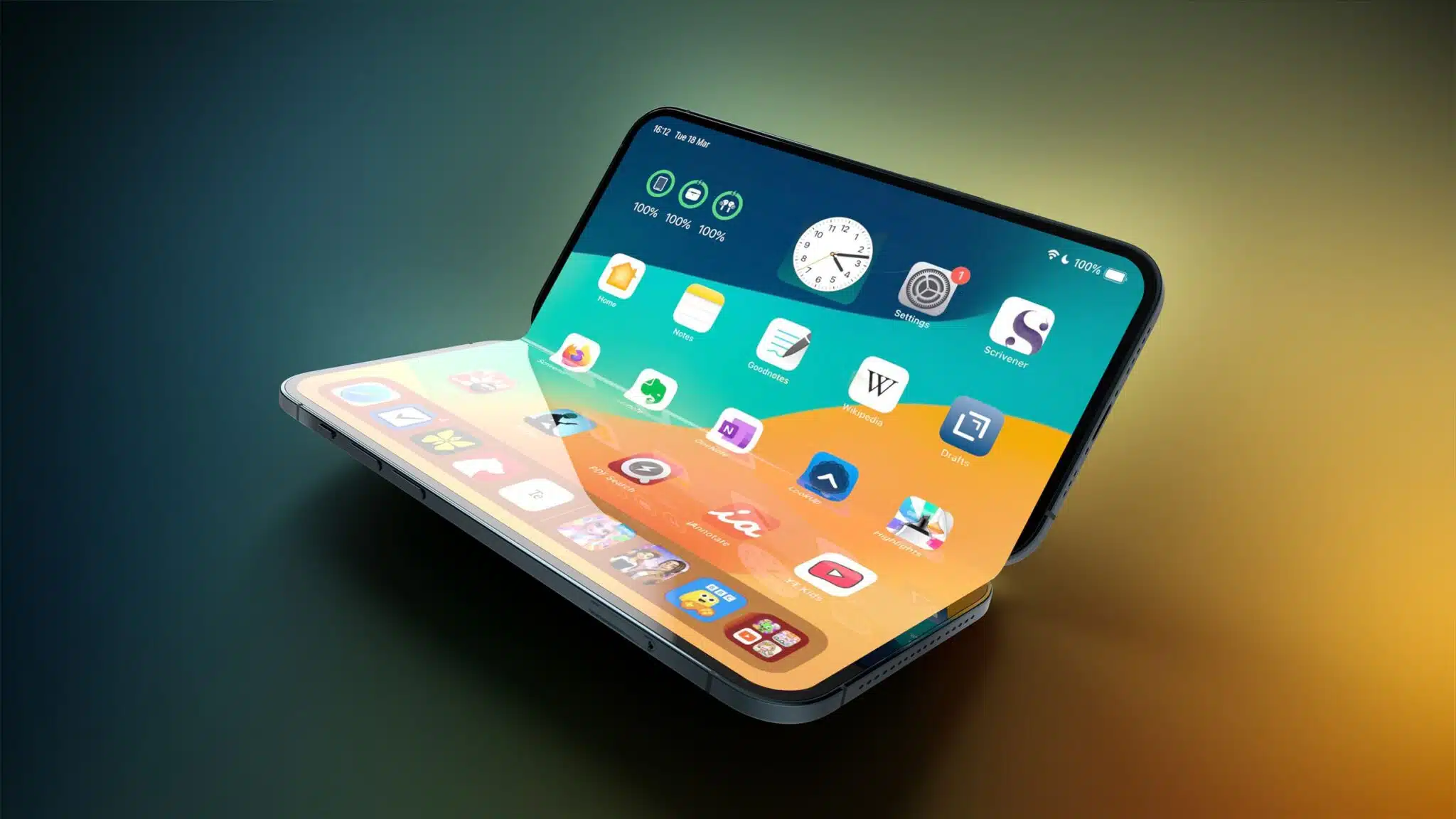


Apple often waits to embrace certain technologies until they feel fully ready for prime time, and it seems the company might follow that familiar rhythm again with the iPhone 18. According to reliable industry analyst Ming-Chi Kuo, Apple is planning to bring a variable aperture camera system to the high-end iPhone 18 models in 2026. The idea of a lens physically adjusting the size of its opening feels almost biological, a bit like how our eyes shift depending on the light around us. It sounds new if you’re mainly in the iPhone world, but Android manufacturers were already experimenting with this kind of feature nearly seven years ago.
Key Takeaways
- The Leak: Analyst Ming-Chi Kuo reports that the iPhone 18 Pro will feature a variable aperture main camera.
- Release Date: This feature is expected to arrive with the 2026 iPhone lineup.
- The Precedent: Samsung first launched variable aperture technology on the Galaxy S9 in 2018.
- The Benefit: The tech improves focus depth and light management, fixing common issues with modern smartphone cameras.
- The Suppliers: Sunny Optical and Luxshare are likely the main suppliers for the new camera components.
- The Android Connection: A Look Back at 2018
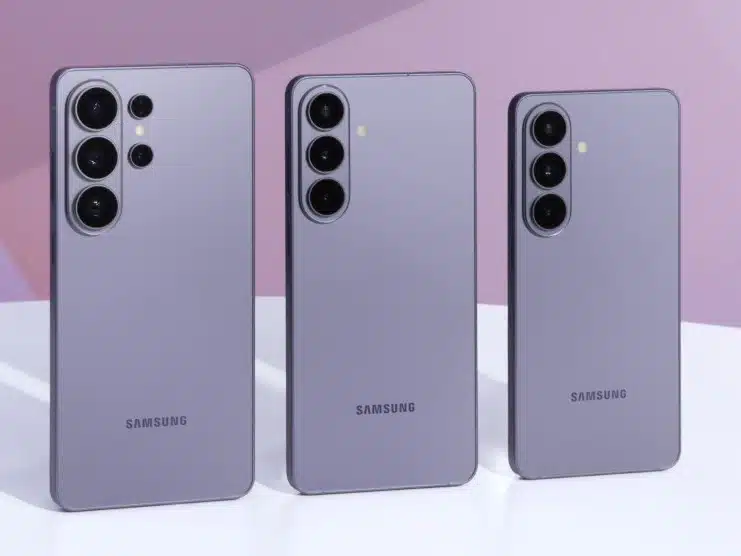
The concept of a smartphone camera that can mechanically shift apertures isn’t exactly new, although it might feel somewhat forgotten. Samsung brought it to the mainstream in February 2018 with the Galaxy S9 and S9 Plus. Their Dual Aperture system let the main 12 megapixel camera toggle between f/1.5 and f/2.4.
The approach was practical. The f/1.5 setting allowed more light for night shots while the f/2.4 option offered a cleaner, sharper look in bright daytime conditions. Samsung held onto this system for the Galaxy S10 series but removed it starting with the Galaxy S20 in 2020. At the time, manufacturers shifted their focus toward larger sensors and simpler internal layouts. Mechanical aperture parts were bulky and expensive, so the feature quietly faded out.
Still, the idea has been making a slow comeback. Companies like Xiaomi and Huawei have revived the concept with updated designs. The Xiaomi 14 Ultra, for example, uses a stepless variable aperture that can glide from f/1.63 to f/4.0, giving photographers a lot more control than Samsung’s two-step version ever could. Apple appears ready to join this newer wave, and perhaps they’re aiming for something closer to Xiaomi’s continuous approach rather than revisiting Samsung’s earlier implementation.
Why Variable Aperture Matters
To really understand the usefulness of this update, it helps to look at Depth of Field. DoF determines how much of a scene appears sharply in focus. Current iPhones rely on a fixed wide aperture around f/1.78. This is wonderful for pulling in extra light and creating the soft bokeh effect behind your subject. At the same time, you might notice that when you take a group photo or snap a document up close, the camera sometimes struggles to keep everything equally sharp. Edges blur, or someone in the back row might look a bit out of focus, and it can be slightly frustrating.
This is where a variable aperture becomes helpful. In low light, the lens can open wide with a low f-number to collect as much light as possible. When shooting group photos or documents, the lens can close down with a higher f-number to deepen the focus and keep more of the scene sharp from front to back. It’s a simple idea in theory, though mechanically it can be quite complex.
Supply Chain Details
Ming-Chi Kuo’s report points to specific suppliers involved in Apple’s plan. Sunny Optical will likely provide the shutter mechanism, and Luxshare is expected to supply the actuator. Sunny Optical has already built similar components for Android manufacturers, which might explain why Apple sees them as a natural fit for the project.
This strategy feels consistent with Apple’s long-term pattern. They don’t usually try to be first. Instead, they tend to wait until parts suppliers refine the technology and work out the issues that earlier adopters faced. By 2026, it seems likely that the mechanical constraints that pushed Samsung to abandon the feature in 2020 will be far less restrictive. Apple will then be able to introduce the feature on the Pro models with a level of consistency and polish that, I think, they probably prefer.
Frequently Asked Questions
Q. What is variable aperture on a phone?
A. It is a mechanical system that physically changes the size of the camera lens opening. This controls how much light enters the sensor and adjusts how blurry or sharp the background appears.
Q. Did Android phones already have this?
A. Yes. Samsung introduced a basic version in 2018 with the Galaxy S9. More recently, Chinese manufacturers like Xiaomi and Huawei have used advanced versions of this technology in their flagship phones.
Q. Will the variable aperture be on all iPhone 18 models?
A. Current reports state that only the high-end models, likely the iPhone 18 Pro and iPhone 18 Pro Max, will get this feature.
Q. How does this help my photos?
A. It helps mostly with focus. It keeps group photos sharp so people in the back are not blurry, and it makes close-up shots of text or food clearer across the whole image.
Q. When is the iPhone 18 coming out?
A. Based on Apple’s standard release schedule, the iPhone 18 lineup should launch in September 2026.