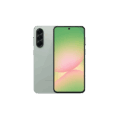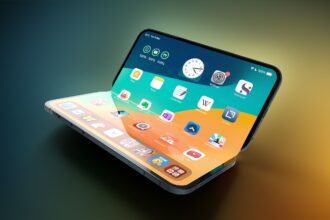


Current leaks suggest Apple intends to shift away from its long familiar release pattern for the iPhone 18 lineup. For years, the company has kept its launch events tightly focused on September, but this time the schedule might stretch a bit. From what is being reported, the high-end iPhone 18 Pro models and the rumored iPhone Fold could still appear in the fall of 2026, while the standard iPhone 18 models may not show up until the spring of 2027. It is an idea that feels like a significant change, although perhaps it has been coming for a while, especially as Apple experiments more with product timing. These rumors arrive alongside early details about a new 2nm processor and some meaningful camera hardware updates that, I think, already have people curious.
Key Takeaways
- New Schedule: Apple might release Pro models in September 2026 and standard models in Spring 2027.
- Foldable iPhone: A foldable device could debut alongside the iPhone 18 Pro.
- Processor: The A20 chip is expected to use TSMC’s 2nm process for improved speed and efficiency.
- Camera: The main camera may feature a variable aperture lens for better light control.
- Connectivity: The Pro models might use Apple’s first in house 5G modem.
A Shift in Release Dates
Industry insiders report that Apple plans to space out its product launches to help maintain steadier revenue throughout the year. If the current leaks hold true, the iPhone 18 Pro and iPhone 18 Pro Max will arrive in September 2026, right on the usual cycle. These premium devices will likely share the stage with what many refer to as the iPhone Fold, a device that has been rumored for years and now seems closer to reality.
The standard iPhone 18 and a new entry level iPhone 18e appear more likely to land in early 2027. The idea is somewhat similar to how Apple sometimes separates its Pro and Air iPad releases. By doing this, the supply chain can focus more carefully on one group of devices at a time rather than rushing through all four models at once. It feels like a small but practical shift that might even reduce production strain, though that part is still speculation.
The A20 Chip and 2nm Technology
The iPhone 18 Pro series will likely run on the A20 chip, which is expected to use TSMC’s 2nm manufacturing process. Moving from today’s 3nm technology to 2nm allows Apple to fit more transistors into the same footprint. That usually translates to better speed and efficiency, and early estimates suggest a performance boost of around 15 percent and power efficiency gains of up to 30 percent.
A more efficient chip means the battery can stretch further even when powering bright displays or heavy data use. The A20 will also take advantage of new packaging technology that brings memory directly onto the chip, something that should help speed up AI related tasks. I find it interesting how these small architectural details often shape the real world feel of a device more than people expect.
Camera Hardware Updates
Apple is reportedly collaborating with Sunny Optical to bring variable aperture technology to the iPhone 18 Pro. A variable aperture allows the camera to physically change how wide the lens opens, giving users more control over light and depth of field. Most smartphones rely on a fixed aperture, so a system like this brings the experience closer to a DSLR. It narrows in bright light to improve sharpness and opens in low light to pull in more exposure.
There are also reports suggesting Apple may shift to Samsung image sensors for its ultra-wide cameras. The goal appears to be better color accuracy and faster autofocus. It feels like a subtle change on the surface, but these kinds of tweaks can make everyday photos look more balanced and natural.
Apple’s Custom 5G Modem
The iPhone 18 Pro could debut Apple’s custom built 5G modem, internally known as C2. Right now Apple still relies on Qualcomm for its modem hardware, so this would be a notable step. The C2 modem aims to deliver faster 5G speeds with stronger support for mmWave bands used by major US carriers such as Verizon and AT&T.
Building this component in house gives Apple more control over power consumption and signal handling. If everything works as intended, the C2 modem may replace Qualcomm parts in high end models first, though perhaps the standard models will follow later.
Design and Display
The Dynamic Island is expected to remain part of the iPhone 18 Pro design, though early reports suggest it may take up slightly less space. For a while there were rumors that Apple planned to move Face ID entirely under the display. Recent information makes it seem more likely that this will not happen until 2027, which feels plausible given how complex that technology is.
The most noticeable design shift for 2026 will likely be the introduction of the foldable model. It is said to open like a book, more in line with the style already common among competitors in the US market. It is hard not to wonder how Apple will approach durability and hinge design, but for now the details are still fairly limited.
Frequently Asked Questions
Q. When will the iPhone 18 Pro be released?
A. The iPhone 18 Pro and Pro Max are expected to launch in September 2026.
Q. How much will the iPhone 18 cost?
A. Pricing is expected to stay consistent with current trends. The iPhone 18 Pro will likely start at $999, and the Pro Max at $1,199. The rumored foldable model could cost significantly more.
Q. Will there be an iPhone 18 Mini?
A. No. Rumors suggest Apple will release an “iPhone 18e” as the entry-level option in 2027, rather than a Mini model.
Q. What is special about the A20 chip?
A. The A20 chip uses 2nm technology. This makes it faster and much more energy-efficient than the chips in the iPhone 16 or 17.
Q. Is the iPhone 18 waterproof?
A. Yes. The iPhone 18 series will maintain or exceed the IP68 water and dust resistance rating found on current models.