

Apple is quietly testing a major leap forward for Siri, and it’s doing so with the help of an internal chatbot built on technology much like ChatGPT. The tool, which is not meant for the public, is being used by Apple engineers to fine-tune a far more conversational, smarter version of Siri. If all goes as planned, these improvements are expected to roll out with iOS 18, the company’s next big iPhone software update.
In simple terms, the chatbot acts as a proving ground, letting Apple experiment with generative AI and see how it could make Siri more natural to talk to, and frankly, more helpful in everyday use.
Key Takeaways
- Apple built an in-house AI chatbot to test a new version of Siri.
- The goal is to add generative AI features so Siri can be more conversational and useful.
- These upgrades are expected to arrive with iOS 18, likely next year.
- The effort positions Apple to better compete with Google’s AI tools and services like ChatGPT.
For more than a decade now, Siri has been both groundbreaking and frustrating. When it launched in 2011, it felt futuristic. But over time, users noticed its limitations compared to Google Assistant or even Alexa. Siri still handles simple tasks like setting reminders or checking the weather fairly well, yet it often stumbles when asked more layered or context-heavy questions.
That’s where generative AI could make a difference. The same kind of technology powering ChatGPT is designed to understand context, generate natural-sounding text, and maintain the thread of a conversation. For Siri, that means moving from a command-driven assistant to something that feels closer to an actual dialogue.
Apple’s internal tool is powered by large language models, or LLMs. These are advanced AI systems trained on enormous amounts of text data. With them, Siri could do things like summarise a news article and then, without missing a beat, draft a quick message sharing those highlights with a contact. Today, that same task would require several distinct, very specific commands.
Interestingly, Apple seems intent on handling much of this AI work directly on its devices. This approach, known as on-device processing, avoids constantly sending user data to remote servers, which has long been a sticking point in the broader debate around AI and privacy. For Apple, this emphasis on keeping personal information secure could become a key differentiator when the company officially unveils its upgraded Siri.
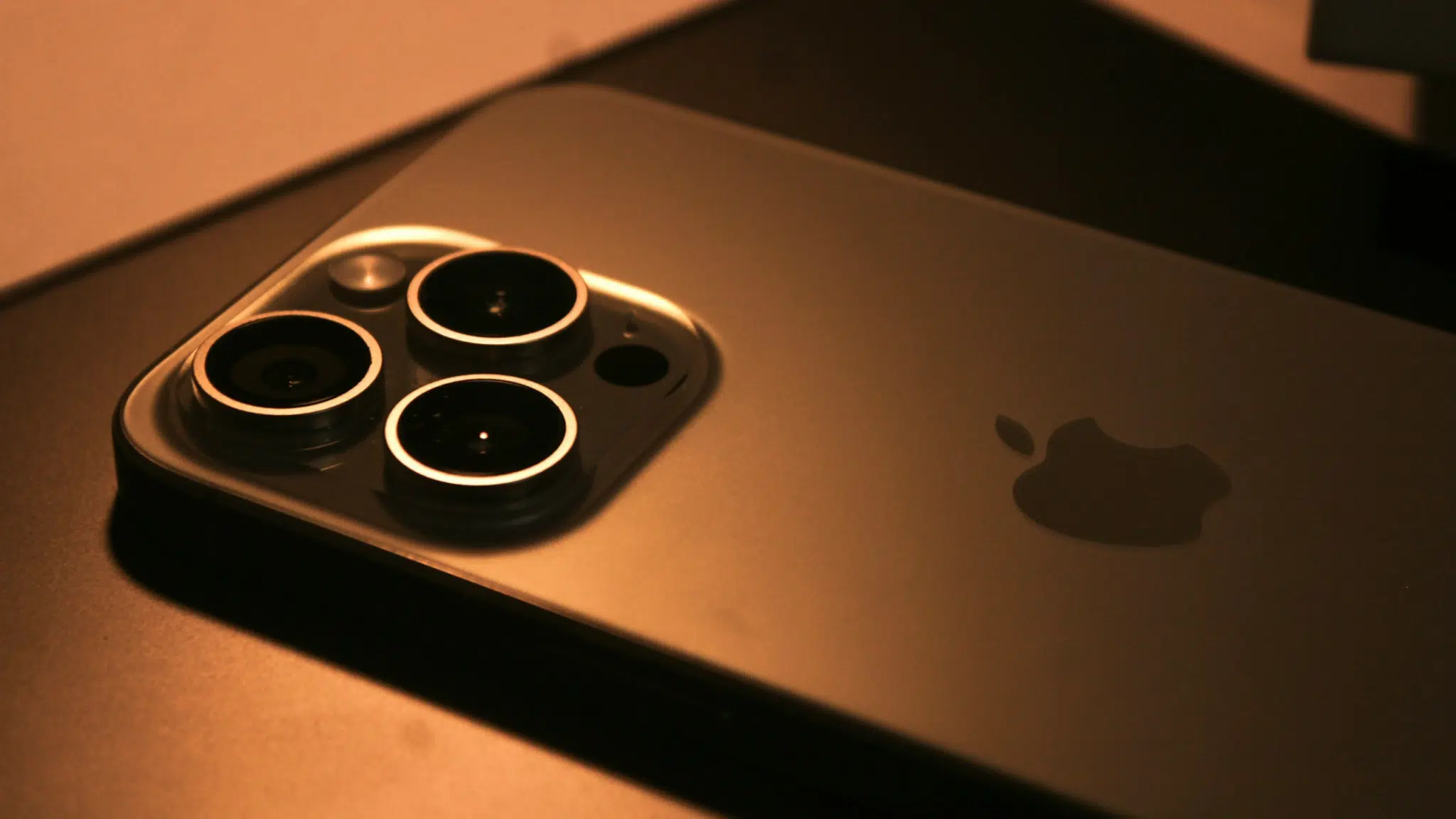
What’s clear is that Apple is preparing both its hardware and software to shoulder these more advanced AI tasks. Whether the new Siri will fully meet expectations is still up in the air, but the direction Apple is taking shows it doesn’t plan to sit out the AI race that rivals like Google and OpenAI are leading.
Frequently Asked Questions (FAQs)
Q. What is the internal AI tool Apple is using?
A. It is a conversational AI application, much like ChatGPT, built by Apple for its employees to test the company’s own large language models and the next generation of Siri.
Q. Will the new Siri be exactly like ChatGPT?
A. While it will use similar generative AI technology to understand and respond more naturally, the new Siri will be integrated deeply into Apple’s operating systems. Its main purpose will be to act as a personal assistant to help users with tasks on their devices.
Q. When can we expect the new Siri?
A. Reports suggest that Apple plans to introduce its new AI features, including the improved Siri, with the release of iOS 18 in 2024.
Q. How will Apple handle user privacy with its new AI?
A. Apple is expected to heavily rely on on-device processing. This means most of your data and AI-related tasks will be handled directly on your iPhone, reducing the amount of information sent to external servers.
Q. Will the advanced Siri features work on older iPhones?
A. Advanced AI features often require powerful processors. It is possible that some of the most demanding capabilities of the new Siri will be limited to newer iPhone models that have the necessary hardware to run them effectively.