

AMD has officially pulled the curtain back on its newest processors at CES 2026 in Las Vegas, and the company is clearly leaning into two big themes right now: artificial intelligence and raw gaming performance. This year’s announcements feel more focused than flashy, but in a good way. AMD introduced the Ryzen AI 400 and Ryzen AI PRO 400 series for laptops, alongside what it is calling the fastest gaming processor in the world, the Ryzen 7 9850X3D. All of these chips are built on the Zen 5 architecture, which AMD says brings meaningful performance gains for both everyday users and professionals.
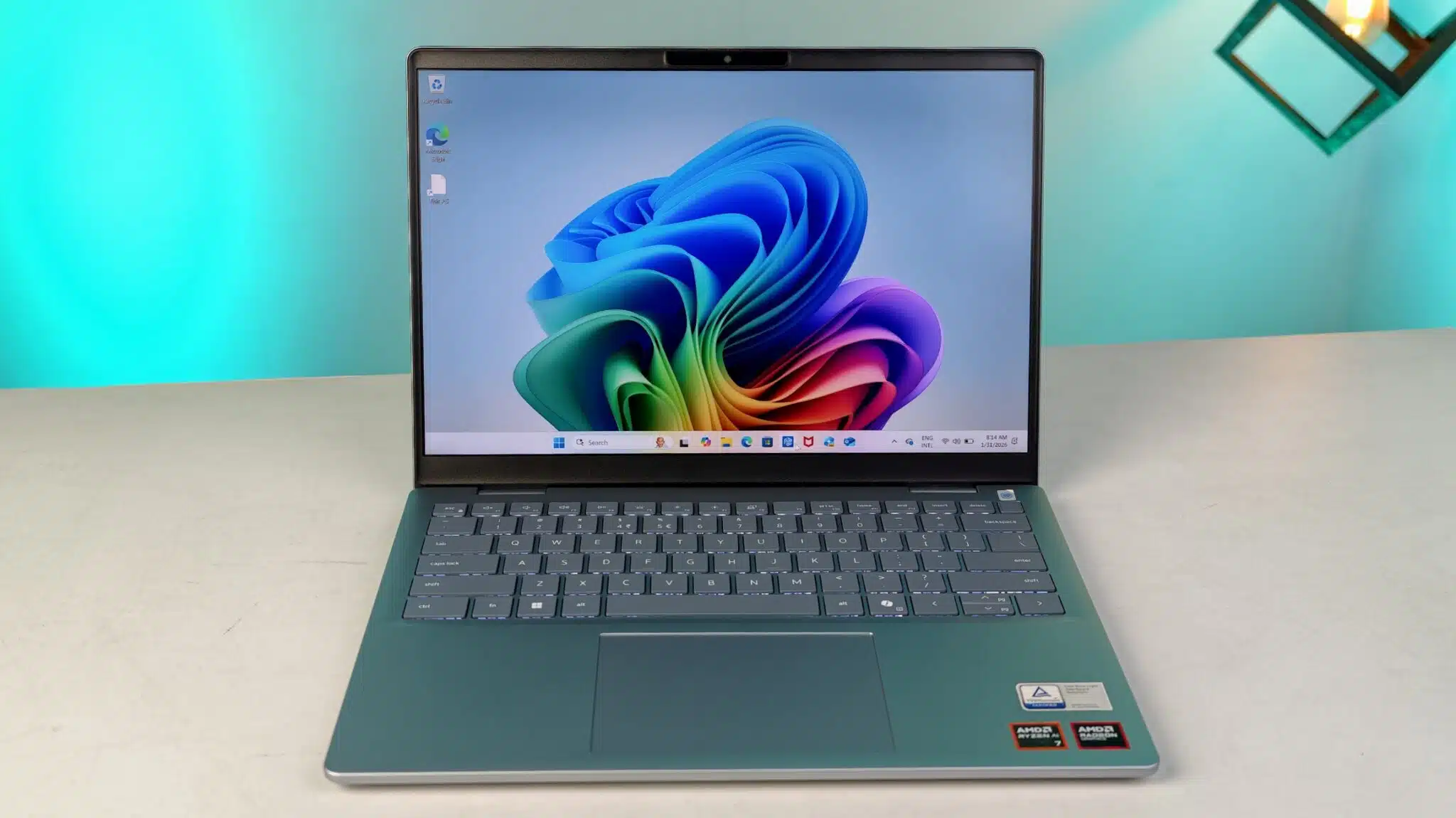
At the center of the mobile lineup is the Ryzen AI 400 series, aimed squarely at modern Windows laptops that handle AI workloads locally. These processors can deliver up to 60 trillion operations per second, or TOPS, through their neural processing units. That number matters more than it sounds at first, especially as Windows continues to push more on-device AI features. AMD is positioning these chips for Copilot+ PCs, meaning laptops that can run AI tools without constantly relying on cloud services.
The flagship Ryzen AI 9 HX 475 is a good example of how far these mobile chips have come. It packs 12 cores and 24 threads, with boost speeds reaching up to 5.2 GHz. Graphics are handled by Radeon 890M, which should be more than enough for light creative work and casual gaming. For business users, the Ryzen AI PRO 400 series builds on this foundation by adding enterprise-focused security and manageability features. IT teams get more control, while employees still benefit from the same AI acceleration and performance improvements.
On the desktop side, AMD clearly wanted a headline-grabbing moment, and that role belongs to the Ryzen 7 9850X3D. This processor features eight cores and 16 threads, with a maximum boost clock of 5.6 GHz. That is about 400 MHz higher than the previous 9800X3D, which is not a trivial jump. Combined with 104 MB of total cache, enabled by AMD’s 3D V-Cache technology, the goal here is simple: reduce latency and keep games running as smoothly as possible.
According to AMD, the Ryzen 7 9850X3D delivers up to 27 percent better gaming performance compared to Intel’s Core Ultra 9 285K in popular titles. Real-world results will, of course, depend on the game and system configuration, but the claim sets expectations high. The good news for existing AMD users is that this chip uses the AM5 socket, so many current systems will support it with a BIOS update. Availability is expected in the first quarter of 2026, both in retail and pre-built gaming PCs.
AMD did not stop with mainstream laptops and gaming desktops. The company also expanded its offerings for creators and power users with the Ryzen AI Max+ series. Models like the Max+ 392 and 388 are designed for ultra-thin laptops and compact desktops that still need serious graphical horsepower. These chips include Radeon 8060S graphics with up to 40 compute units, which should appeal to users working with 3D content, video editing, or more demanding AI tasks on the go.
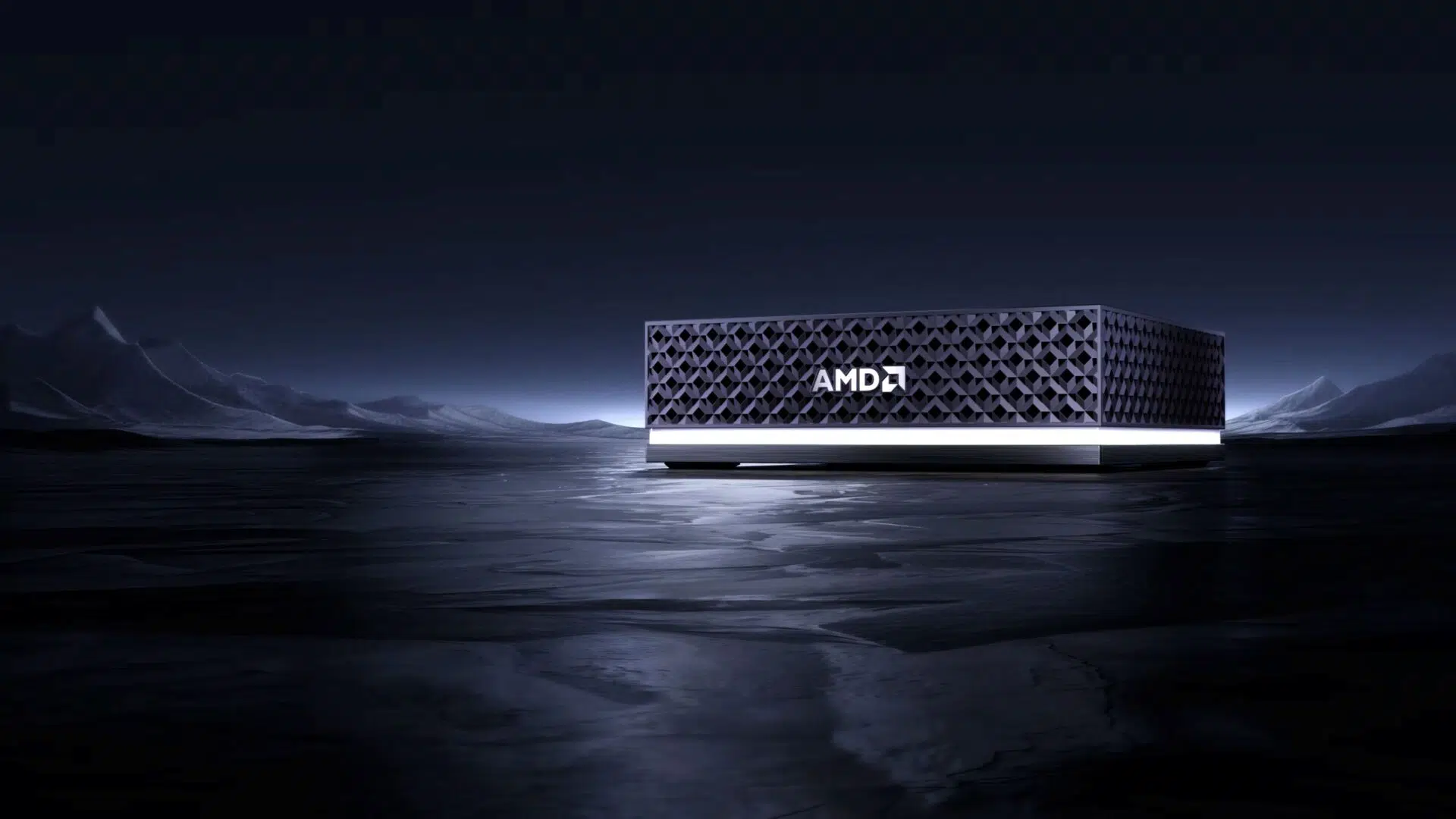
To complement this, AMD introduced the Ryzen AI Halo mini-PC platform. It is a small system, but its capabilities are anything but modest. With support for up to 128 GB of memory, it can run AI models with as many as 200 billion parameters locally. That means developers and researchers can experiment with large models without needing constant cloud access, which is something many professionals have been asking for.
On the software front, AMD announced ROCm 7.2, an update that brings broader support for these new consumer processors. It works on both Windows and Linux and integrates with popular tools like ComfyUI, making AI development more accessible on AMD hardware. The company also updated its Adrenalin software, introducing an AI Bundle that helps users set up local AI tools more easily. In gaming, the new FSR Redstone feature uses machine learning to improve image quality while boosting frame rates, which could be especially useful on mid-range systems.
OEM partners are already on board. Brands such as ASUS, HP, and Lenovo are expected to roll out laptops powered by these new Ryzen AI chips over the coming months. Overall, AMD’s CES 2026 announcements feel less about one-off specs and more about building a broader ecosystem, where AI, gaming, and productivity are all closely tied together. Whether that balance pays off long term is something we will see soon enough, but for now, the lineup looks strong on paper.
Related FAQs
Q1: What is NPU TOPS and why does it matter?
A1: TOPS stands for Trillions of Operations Per Second. It measures how fast a processor can handle AI calculations. The 60 TOPS in the Ryzen AI 400 series allows your laptop to run AI tools faster without using much battery.
Q2: Can the Ryzen 7 9850X3D be used on existing AM5 motherboards?
A2: Yes, the Ryzen 7 9850X3D uses the AM5 socket. Users with current AM5 motherboards can use this processor after a simple BIOS update.
Q3: When will the new AMD Ryzen AI laptops be available in India?
A3: Global brands like Acer, ASUS, and Dell plan to release these systems in the first quarter of 2026. Indian availability usually follows shortly after the global launch.
Q4: What is the difference between Ryzen AI 400 and Ryzen AI Max+?
A4: The 400 series is designed for standard thin laptops and everyday AI use. The Max+ series targets heavier workloads, such as advanced content creation, 3D rendering, and high-end portable gaming.