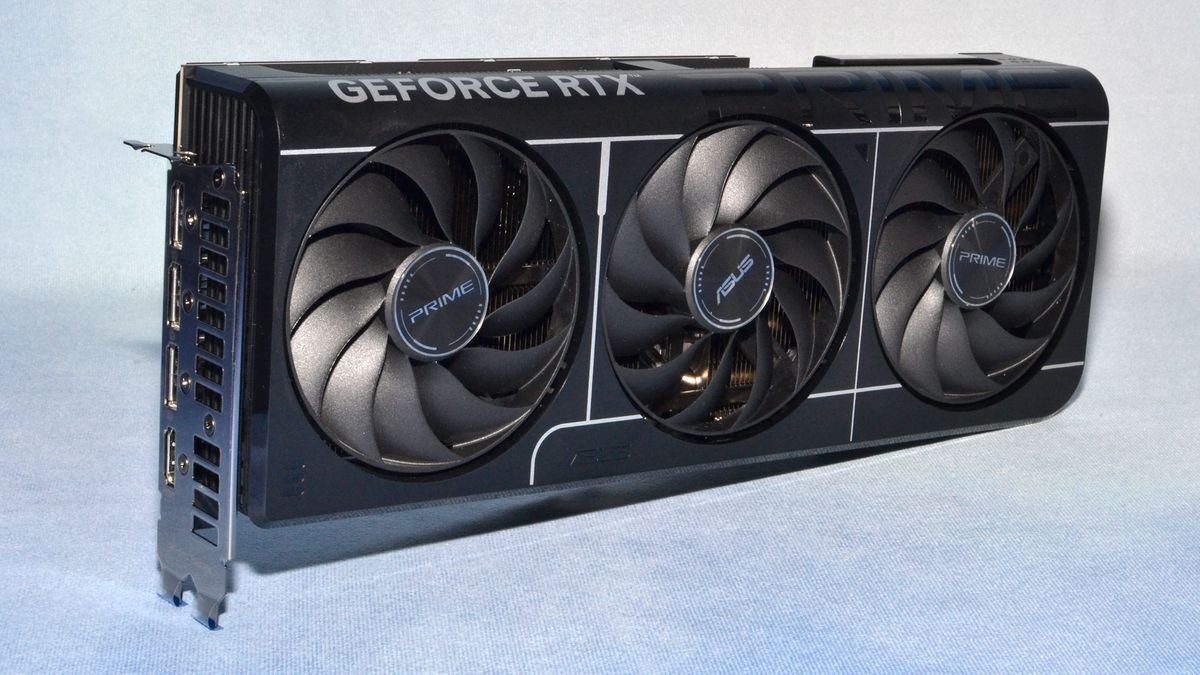
GeForce RTX 5070 Ti emerges with a revised ROP count. Reports indicate the upcoming graphics card features 88 Render Output Units (ROPs). This deviates from earlier estimations of 96 ROPs. The discovery raises questions about the card’s potential performance.
The reduced ROP count comes from leaked specifications. Hardware analysts examined early data. They found discrepancies with initial projections. ROPs directly impact pixel processing. A lower count can limit rasterization performance. This affects gaming at high resolutions.
The finding surfaced through data shared by industry insiders. These individuals have access to pre-release hardware. Their information spread through online forums and tech blogs. Independent verification followed. Multiple sources confirm the 88 ROP count. This consistency lends credibility to the reports.
Nvidia has not officially confirmed the ROP count. The company remains silent on specific details. This lack of confirmation leaves room for speculation. Users wait for official announcements. They seek clarity on the RTX 5070 Ti’s specifications.
The ROP count change affects performance expectations. Gamers and hardware enthusiasts pay close attention to specifications. ROPs play a key role in rendering complex scenes. A reduction could mean lower frame rates in demanding games. High resolution gaming may suffer.
The RTX 5070 Ti is part of Nvidia’s next-generation graphics card lineup. The series is expected to use the Blackwell architecture. Leaks suggest improvements in ray tracing and AI performance. The reduced ROP count complicates the overall picture.
The Blackwell architecture brings other changes. Reports detail increased core counts and memory bandwidth. These factors can offset the ROP reduction. The final performance remains uncertain. Benchmarks will provide definitive answers.
The reduced ROPs may be a strategic decision. Nvidia could have adjusted the design for cost reasons. Production costs influence retail prices. A lower ROP count might make the card more affordable. This benefits consumers.
The graphics card market is competitive. AMD and Intel offer alternatives. Nvidia must balance performance and price. The ROP reduction could be a trade-off. It allows Nvidia to maintain a competitive price point.
The change sparks discussion within the tech community. Users analyze potential impacts. They compare the RTX 5070 Ti to previous generations. They also compare it to competing products. Online forums overflow with speculation.
The discovery highlights the importance of hardware specifications. ROPs are a critical component of graphics cards. Changes in these components influence gaming experiences. Users must consider these details when making purchasing decisions.
The RTX 5070 Ti release date remains unannounced. Nvidia typically launches new graphics cards in phases. The company releases high-end models first. Mainstream cards follow later.
The 88 ROP count raises questions about the card’s positioning. Nvidia may aim to target a specific performance bracket. The card could compete with mid-range offerings from rivals.
The graphics card market faces supply chain challenges. Component shortages and manufacturing delays affect availability. These factors add complexity to the RTX 5070 Ti’s launch.
The situation underscores the fluidity of hardware development. Companies often make adjustments during production. Specifications can change before release. Leaked data offers a glimpse into this process.
The reduced ROP count is a notable detail. It prompts a reassessment of the RTX 5070 Ti’s potential. Users await official benchmarks. These tests will determine the card’s real-world performance.