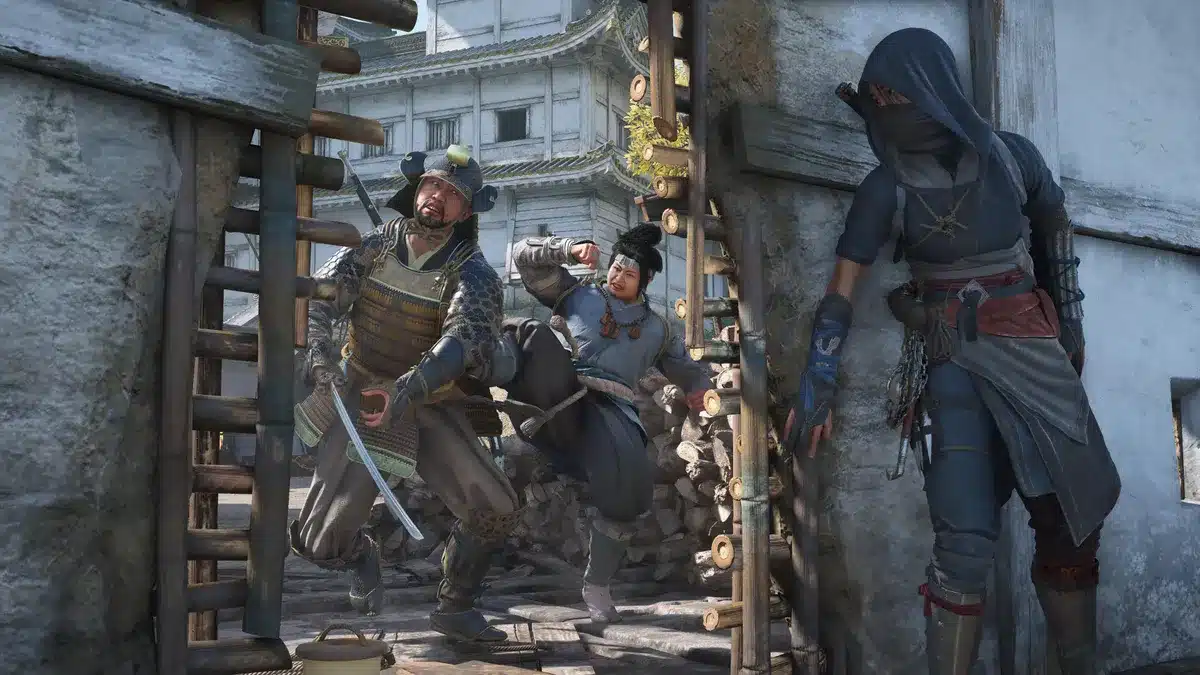
Assassin’s Creed Shadows is out, dropping us into feudal Japan with a shinobi and a samurai. On the surface, it’s the historical open-world action game you expect from Ubisoft’s long-running series. But spending time with it, something else clicks. It feels familiar, reliable, and deeply satisfying in a way that reminds me of sitting back with a classic rock album. Yes, Assassin’s Creed Shadows is the dad rock of video games, and frankly, I love it.
Think about dad rock for a second. It’s not always groundbreaking. It probably won’t win over the TikTok generation. But it has staying power. It relies on solid fundamentals: catchy riffs, dependable song structures, and a a certain earnestness. You know what you’re getting, and what you get is usually pretty good. It’s the musical equivalent of a comfortable armchair – maybe not the trendiest furniture, but perfect for sinking into after a long day.
Assassin’s Creed Shadows embodies this spirit. Does it reinvent the wheel? Not exactly. It builds on the established open-world RPG framework the series has honed over the last few entries. You have a vast, beautiful map of 16th-century Japan to explore, filled with historical locations, enemy strongholds, and collectibles. There are main quests, side quests, and activities to distract you at every turn. This is a known quantity, a proven formula. Like hearing the opening chords of a classic track, you settle in because you understand the rhythm.
The dual protagonists, Naoe the shinobi and Yasuke the samurai, are the dueling guitar solos of this dad rock anthem. Naoe brings the classic Assassin’s Creed stealth gameplay. You skulk in the shadows – a mechanic actually enhanced by the new light and shadow system – use a grappling hook to traverse silently, and dispatch foes with the iconic hidden blade. It’s the familiar, intricate fingerwork of a seasoned lead guitarist. Playing as Naoe feels like revisiting the stealthy roots of the series, refined and presented with modern polish.
Then there’s Yasuke. Based on the historical African samurai, he’s the power chord, the driving drum beat. His gameplay is about direct combat. He wields katanas, kanabos, and bows, engaging enemies head-on. Blocking, parrying, and timing your strikes are key. While Naoe is about the subtle melody, Yasuke delivers the impactful chorus. Switching between them, which you can do seamlessly, feels like a band shifting dynamics mid-song, moving from a quiet verse to a loud, driving bridge. It’s a deliberate choice that caters to different moods and playstyles, much like a great dad rock album has both ballads and anthems.
The world itself contributes to this feeling. Feudal Japan is rendered with impressive detail. Castle towns, bustling ports, serene shrines – they are all there, brought to life with dynamic seasons that change the landscape and affect gameplay. Walking through snow in winter, or using tall grass for cover in summer, adds layers without fundamentally altering the core experience. It’s like a familiar song getting a slightly different mix – the core is the same, but there are new textures to appreciate.
Even the customizable hideout feels like setting up your personal listening space, arranging your favorite albums and gear just so. It’s a home base, a place of comfort and preparation before heading back out into the wild.
Some might see this reliance on established mechanics and familiar structures as a negative. They might call it safe, or unadventurous. And maybe, from a perspective constantly seeking the next radical shift, it is. But there’s immense value in refinement, in taking something beloved and making it feel good to play right now. That’s the essence of good dad rock – it’s not trying to be something it’s not. It owns what it is, and it does it well.
Assassin’s Creed Shadows isn’t trying to redefine the open-world genre. It’s offering a finely tuned, content-rich experience set in a highly requested historical period. It’s the gaming equivalent of a band hitting the road for a greatest hits tour – you know the songs, you love the energy, and you’re happy to sing along. It’s comfort, expertly delivered.
For players who have grown up with Assassin’s Creed, or for those who appreciate a well-crafted, expansive historical adventure without needing constant, jarring surprises, Shadows hits that sweet spot. It respects your time by offering a familiar control scheme and clear objectives, but still provides depth through its dual characters and world interactions.
Is Assassin’s Creed Shadows pushing the boundaries of interactive entertainment into unknown territory? No. Is it a massive, engaging, and enjoyable game that delivers on the promise of its setting and premise with solid, well-tested mechanics? Absolutely. It’s the reliable classic you return to, the one you can just sink into and enjoy without needing a manual. It’s dad rock, and in the chaotic, ever-changing world of video games, there’s a real comfort in that.