


Intel plans to raise prices on its personal computer processors by approximately 10% starting Oct. 5. The planned hike follows two earlier price increases this year, one during the first quarter and another in July. Industry supply chain reports indicate that Intel leadership is reviewing production expenses and profit margins across its silicon portfolio. The move directly affects desktop chips, including recent Core Ultra models, and may extend to laptop processors as the company prioritizes profitability over raw shipment volume.
Key Takeaways
- Intel aims to implement an estimated 10% price increase on PC processors beginning Oct. 5.
- The adjustment marks the third price revision from the chipmaker this calendar year.
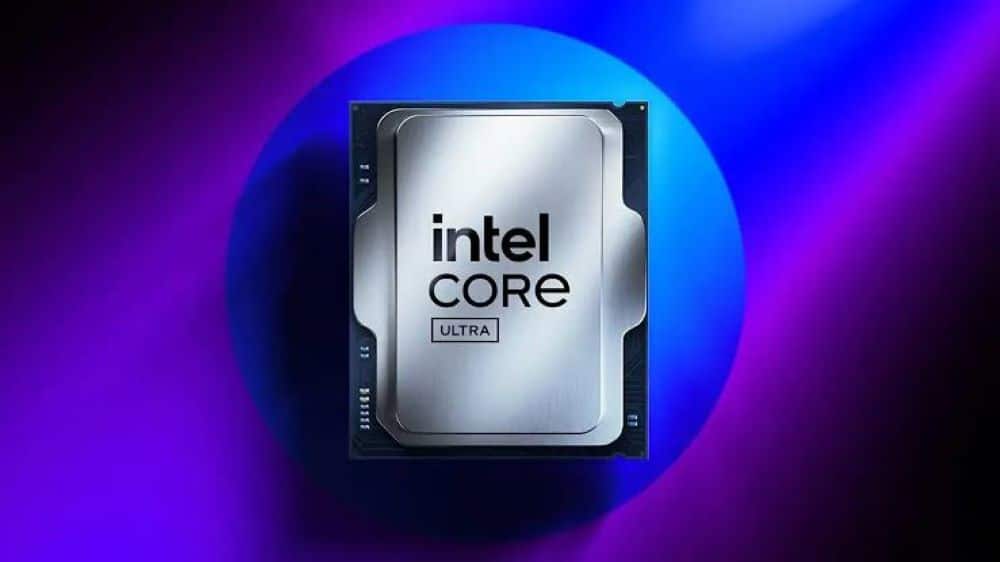
- Desktop processors like the Core Ultra series will bear higher costs, which could spread to notebook lines.
- The company is evaluating the phaseout of entry-level chips used in embedded devices and industrial hardware.
- Buyers in India will likely face higher hardware costs right as Diwali and festive shopping begin.
Higher Hardware Costs Ahead of the Indian Festive Season
The timing of this adjustment creates immediate friction for Indian buyers. The festive shopping window across October usually brings high retail demand for custom desktops and laptops on platforms like Amazon India, Flipkart, and local tech hubs such as Nehru Place in New Delhi and SP Road in Bengaluru.
Retailers operate on thin margins for individual computer parts. A 10% increase in baseline silicon costs from Intel, coupled with local customs duties and an 18% Goods and Services Tax (GST), will push final retail tags upward. Buyers assembling mid-range gaming rigs or buying pre-built productivity towers will notice immediate sticker changes on popular SKUs like the Core Ultra 5 and Core Ultra 7 series.
Shifting Priorities Toward Server Fabs and Margins
The price adjustments reflect broader operational pressures inside Intel. The company is directing its internal fabrication lines toward enterprise and server processors, which command higher profit returns. Meanwhile, consumer PC processors continue to share production capacity or rely on external foundries like Taiwan Semiconductor Manufacturing Company (TSMC).
Intel is also considering discontinuing lower-margin hardware lines, specifically its “Small Core” processors deployed in basic industrial computers and Internet of Things (IoT) devices. Withdrawing from that segment could allow ARM-based chip designers like MediaTek and Qualcomm to capture space in entry-level commercial hardware. Alongside the silicon repricing, reports point to possible internal workforce adjustments of 5% to 10% as corporate restructuring continues.
For customers evaluating upgrades, purchasing available inventory at current retail rates before early October represents the most practical way to avoid the pending cost increases.
Frequently Asked Questions
Q1. When will the Intel CPU price increase take effect?
A1. Supply chain reports indicate the new pricing takes effect on Oct. 5.
Q2. How much will Intel CPU prices go up?
A2. The planned increase is approximately 10% across affected processor lines.
Q3. Will laptop prices in India rise because of this?
A3. Yes, higher processor costs generally lead PC makers to increase retail prices on both pre-built desktops and laptops once older component inventories clear out.
Q4. Which Intel processor models are impacted?
A4. The adjustment targets desktop PC processors, including the Core Ultra series, with mobile laptop processors likely to follow.
Q5. Why is Intel raising prices for the third time this year?
A5. Intel is restructuring operations to improve profit margins and offset manufacturing expenses while shifting factory resources toward high-margin server chips.