

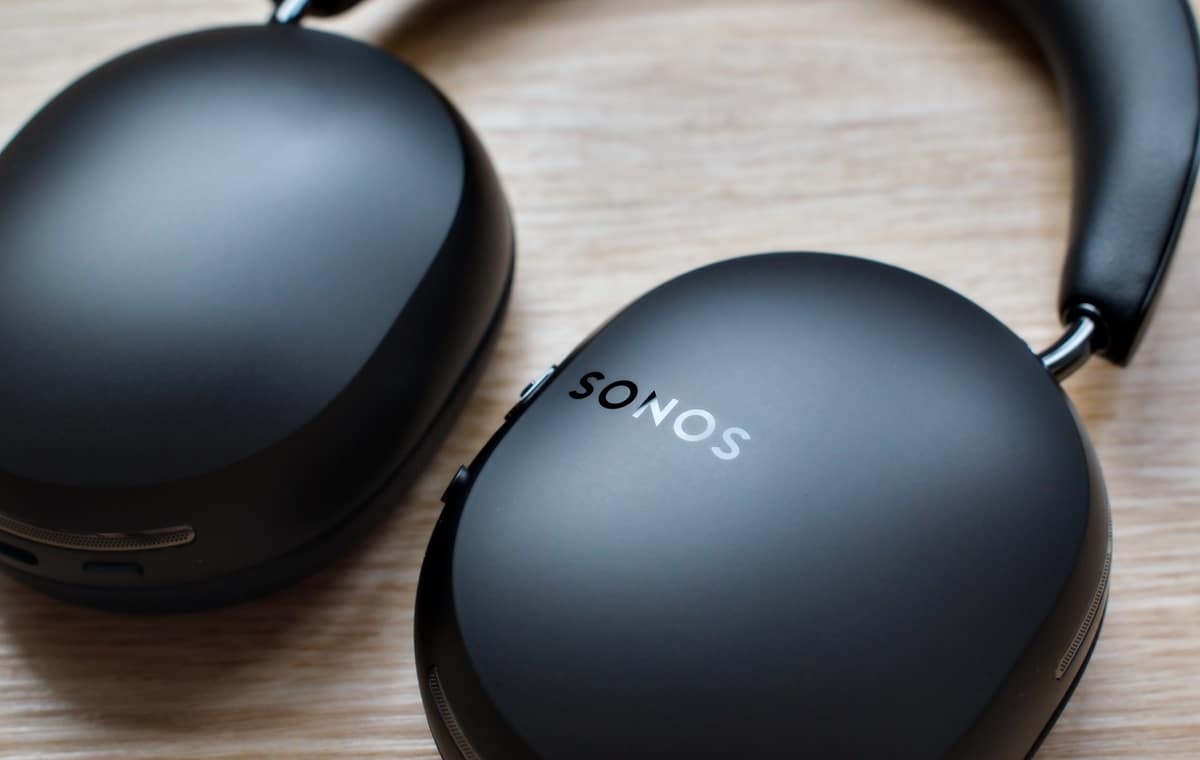
For Sonos Ace headphone owners, the wait might’ve felt long—but it’s finally over. Sonos has pushed out a substantial software update that directly addresses some of the most anticipated features users have been asking about since launch. The update includes the debut of TrueCinema, a spatial audio enhancement aimed at transforming TV listening through headphones, and a much-requested upgrade to the TV Audio Swap feature—one that now supports two simultaneous headphone connections. On top of that, a series of enhancements to sound quality, call clarity, and noise cancellation round out what feels like a defining moment for Sonos’s foray into personal audio.
Key Takeaways:
- Sonos Ace headphones receive a substantial software update.
- The highly anticipated TrueCinema feature is now available.
- Multiuser TV Audio Swap allows two pairs of Ace headphones to connect to one soundbar.
- Active Noise Cancellation (ANC) gains adaptive capabilities.
- Call quality sees enhancements, including SideTone.
- The update addresses a full year of user feedback and long-standing promises.
When the Sonos Ace launched globally on June 5, 2024, expectations were high—and understandably so. A premium headphone from a brand synonymous with quality audio sparked interest, but also scrutiny. And while the Ace delivered in many ways, some key features were conspicuously absent. Fast forward a year, and with the June 10, 2025 software update, Sonos is clearly aiming to close that gap—not just with minor tweaks, but by unlocking functionalities many had hoped would be there from the beginning.
The Long-Awaited TrueCinema Arrives
Front and center in this update is TrueCinema. It’s a feature that aims to change how headphone users experience audio from their televisions. When paired with a compatible Sonos soundbar, TrueCinema maps out the unique acoustics of your room and uses that data to customize how spatial audio is rendered in your Ace headphones. The result? A sense of sound not merely confined to the headphones but projected as if it’s coming from the room itself—kind of like being surrounded by invisible speakers.
This idea isn’t entirely new; Sonos hinted at it well before the Ace even hit shelves. But now that it’s here, it delivers a level of immersion that’s designed to blur the line between wearing headphones and being in the room with a full surround system. It adapts based on environmental variables, like the shape and size of your space, offering a dynamically responsive listening experience that feels… well, smarter. Maybe even eerily so.
Sharing the Sound: Multiuser TV Audio Swap
Also arriving with this update is a meaningful expansion of the TV Audio Swap feature. Initially, this feature allowed users to transition audio from their Sonos soundbar directly to their Ace headphones with ease—but only one pair at a time. For couples or roommates trying to enjoy a show without waking the rest of the house, that limitation felt like a miss.
Now, that’s changed. With the latest update, two pairs of Ace headphones can sync with a single soundbar simultaneously. It’s a small change with a big impact, especially for households that value shared media experiences but also need to keep the noise down. Watching a thriller late at night or playing co-op games in shared spaces just got a whole lot more convenient—and honestly, more fun.
Beyond the Core: Enhanced ANC and Call Clarity
Sonos didn’t just focus on flashy headline features either. The update brings notable refinements to Active Noise Cancellation (ANC), which now adjusts adaptively based on real-world conditions. For example, if you’re wearing glasses or a hat—both of which can interfere with the headphone seal—the system detects those variables and tweaks its response in real time. The aim is more consistent noise-blocking performance across all kinds of usage scenarios, not just in ideal conditions.
Call quality also gets a welcome upgrade. One standout feature is SideTone, which feeds a subtle echo of your own voice back into the headphones during calls. It may sound odd, but it makes a surprising difference in how natural phone conversations feel—helping reduce that disorienting, “am I yelling?” sensation. Along with broader improvements to voice clarity, these tweaks make the Ace more reliable for daily use, not just media consumption.
Sonos’s Commitment to Evolution
More than anything, this update reaffirms Sonos’s approach to long-term product value. CEO Patrick Spence has spoken before about building devices that grow over time through software. Jason White, Sonos’s head of software, echoed that sentiment recently, underscoring the company’s goal of delivering meaningful improvements well beyond launch day.
The Sonos Ace, with its sleek hardware and now-expanded feature set, fits squarely into that vision. For consumers, it’s a reassuring message: you’re not just buying what’s in the box—you’re investing in something that will get better with time.
Position in the Market
With these updates in play, the Sonos Ace finds firmer footing in the premium headphone landscape. Its combination of immersive spatial audio, adaptive noise cancellation, and tight integration with the Sonos home ecosystem makes it a uniquely compelling option—especially for existing Sonos users.
TrueCinema introduces a sense of realism in TV audio that not all spatial audio solutions can match. The addition of multi-user functionality makes the device more versatile in communal settings. Together, these changes help the Ace stand apart in a market filled with high-end contenders.
The June 10, 2025 update transforms the Sonos Ace from a promising product into a more complete, satisfying one. For current users, it’s a clear payoff for their patience. For potential buyers, it strengthens the Ace’s position as a future-ready option in an ever-crowded market.