

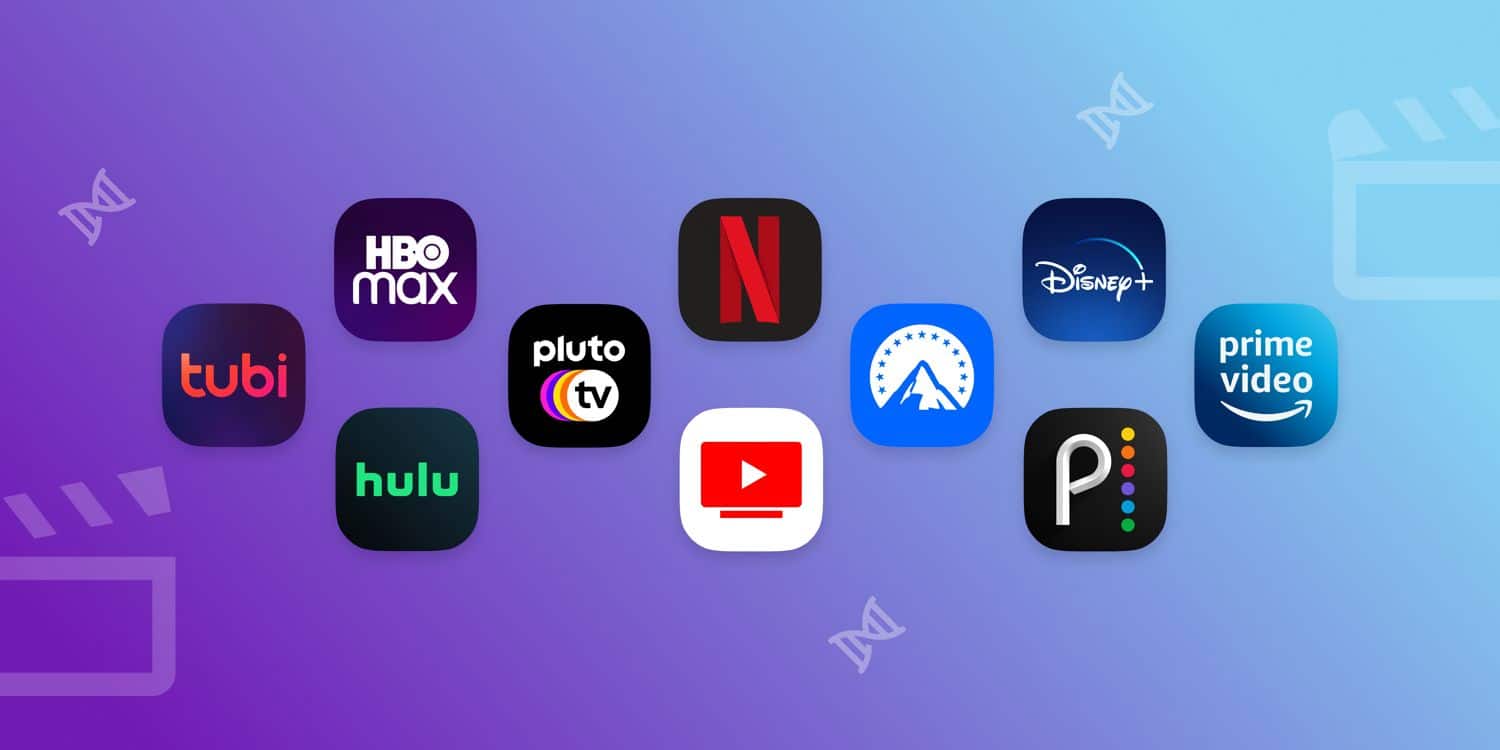
In the age of streaming, cloud storage, and fast Wi-Fi, it’s easy to assume downloading content is outdated. Why save something when you can just stream it any time? But anyone who has dealt with slow connections, content disappearing from platforms, or the need to revisit a specific video, song, or article knows the truth: downloading is still relevant—and incredibly useful. Tools like xdownload.co are quietly bringing back a smart, intentional habit we may have overlooked.
- The Problem with Constant Streaming
- Why Downloading Is Still Relevant
- 1. Offline Access Anytime, Anywhere
- 2. Content Isn’t Always Permanent
- 3. Faster and More Reliable Playback
- 4. Creating Your Own Personal Library
- Who Really Benefits from Downloading?
- How xdownload.co Fits the Need
- The Ethics of Downloading Content
- Beyond Entertainment: Practical Everyday Uses
- Final Thoughts
Streaming is convenient, yes. But downloading gives you something even more valuable: control. Whether it’s for offline access, personal archiving, or educational use, being able to download your content—when and how you want—is a power move in today’s fast-paced digital world.
The Problem with Constant Streaming
We live in a time when nearly everything is available on demand. Music, movies, TV shows, tutorials, podcasts, even social media posts—they’re all just a tap away. But what happens when you’re not connected?
Here’s the thing most people don’t consider until it’s too late: streaming requires a steady internet connection. Lose that, and your access vanishes too. Airports, road trips, rural areas, subway commutes, dead zones—these are all scenarios where your favorite content is suddenly out of reach.
That’s when downloading makes a whole lot of sense.
Why Downloading Is Still Relevant
There are plenty of real-world reasons people still need to download files—even in a hyper-connected world. It’s not about hoarding media. It’s about efficiency, independence, and digital preparedness.
1. Offline Access Anytime, Anywhere
The most obvious advantage: you don’t need the internet. Whether you’re traveling across the country or working from a cabin with no Wi-Fi, having your files already downloaded means you’re not left staring at a loading screen.
2. Content Isn’t Always Permanent
Streaming services remove content regularly. Videos get deleted, music licensing expires, posts disappear, creators deactivate their accounts. If you really value something, saving it is the only way to ensure you’ll always have access.
3. Faster and More Reliable Playback
Streaming can be glitchy. Even with a decent connection, high-quality video and audio can lag, pause, or buffer. A downloaded file plays smoothly every time—no interruptions, no wasted time.
4. Creating Your Own Personal Library
A tool like xdownload.co lets you download content and organize it your way. Instead of relying on playlists controlled by algorithms or saved tabs you’ll never find again, downloading lets you keep a tidy, offline collection of the content you actually care about.
Who Really Benefits from Downloading?
While everyone can take advantage of downloading, there are certain users for whom it’s especially valuable:
- Students: Download lectures, tutorials, or readings to study offline—especially helpful when campus Wi-Fi is unreliable or during commutes.
- Remote workers and freelancers: Store resources or reference materials you’ll need when traveling or working from various locations.
- Content creators: Save inspiration, editing assets, or samples to keep your workflow smooth even when you’re disconnected.
- Travelers: Prepare playlists, videos, or reading material for long flights or remote destinations with no signal.
- Researchers: Archive important articles, talks, or datasets before they become unavailable.
Downloading empowers all kinds of users to access and organize content on their terms—not on the platform’s.
How xdownload.co Fits the Need
A major appeal of using a service like xdownload.co is its simplicity. You’re not jumping through hoops. No bloated software. No complicated steps. Just paste the link, choose your format or quality, and download.
It’s direct, efficient, and built for people who just want to save something and get on with their day.
This kind of simplicity makes downloading practical again. You don’t need to be a tech expert. You just need a few minutes and a reason to keep the content that matters.
The Ethics of Downloading Content
Downloading content comes with responsibility. Not everything you find online is free to reuse or distribute. Ethical downloading means:
- Using content for personal use, not public redistribution.
- Respecting copyright and licensing terms.
- Crediting creators if you reference or quote their work.
- Avoiding misuse of content, especially for misleading or commercial purposes.
It’s about respect and fairness—keeping content for your own use while honoring the effort that went into creating it.
Beyond Entertainment: Practical Everyday Uses
We often think of downloading in terms of movies or music, but it goes far beyond that. Here are a few more everyday scenarios where downloading comes in handy:
- Saving how-to videos for a home repair project.
- Keeping a library of guided meditations for offline use.
- Downloading public domain books or podcasts to avoid using mobile data.
- Archiving important online interviews or lectures before they’re removed.
Once you start thinking of downloading this way, you begin to see it not as a digital leftover from the early internet—but as a tool that supports a smoother, more intentional online life.
Final Thoughts
We may live in a world that favors streaming, but that doesn’t mean downloading is obsolete. On the contrary—it’s one of the most underrated digital habits you can build.
With tools like xdownload.co, saving the content you value most is easier than ever. You can choose what to keep, when to access it, and how to use it—without relying on a steady connection or a platform’s permission.
So next time you come across something worth saving, ask yourself: Do I want to rely on the feed to show this again? Or is it time to make it mine? Downloading might just be the simplest way to take back control in a world built on constant refresh.