Prepare for a jolt if you’re eyeing new computer gear. Logitech, a household name for keyboards, mice, and other peripherals, has quietly pushed up prices on a range of its products. We’re talking increases that can hit as high as 25% on some items, a move that’s leaving consumers asking: why now? And perhaps more importantly, who’s next?
This isn’t just a random decision by one company. Logitech’s price hikes appear deeply connected to the ongoing impact of tariffs, specifically those put in place by the Trump administration on goods imported from China. A significant portion of tech hardware, including many of Logitech’s products, is manufactured in China. When tariffs increase the cost of importing these goods, companies face a tough choice: absorb the extra cost and cut into profits, or pass that cost along to you, the customer. It appears Logitech has opted for the latter, at least in part.
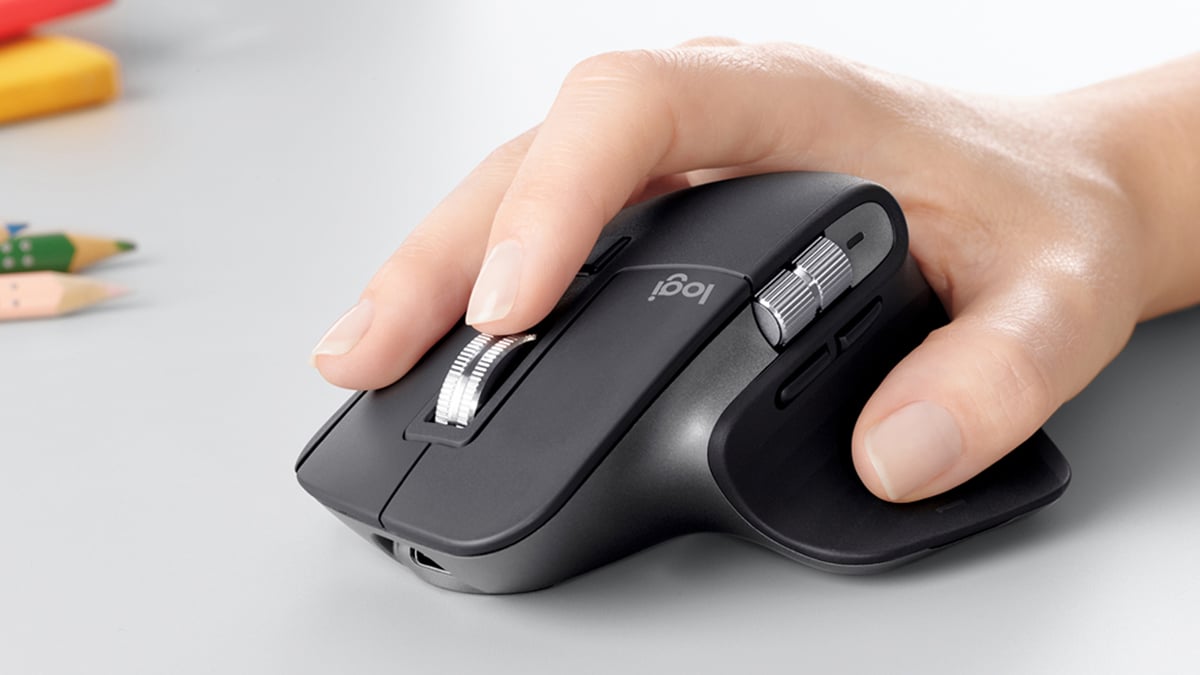
Evidence of these increases surfaced recently, highlighted by tech observers noting significant jumps on popular items. For instance, the MX Keys S keyboard reportedly saw an 18% increase, while the versatile MX Master 3S mouse climbed by 20%. Even more budget-friendly options haven’t been spared; the K400 Plus Wireless Touch keyboard, a staple for many, experienced a substantial 25% price leap. These changes weren’t announced with fanfare but rather appeared as updated prices on the company’s website and through retailers.
Logitech’s CEO, Hanneke Faber, has acknowledged the challenging environment, citing the unpredictable nature of trade policies as a factor impacting financial outlooks. While the company is exploring various strategies to manage costs, including efficiency improvements and negotiations with suppliers, price adjustments are clearly part of their approach.
But here’s the critical point: Logitech isn’t an outlier. The same economic and geopolitical forces squeezing Logitech are impacting the broader tech hardware market. Reports and expert analysis indicate that consumers should brace for potential price increases across a variety of devices in 2025.
Several factors are contributing to this trend. Tariffs remain a significant concern for companies relying on manufacturing in affected regions. Beyond tariffs, rising costs for key components like DRAM and NAND flash memory are also putting upward pressure on prices. The increasing demand for hardware, partly fueled by the need for AI-capable PCs and the impending end of support for Windows 10, further strains supply chains and can lead to higher costs.
Industry experts warn that the convergence of these factors creates a challenging landscape for both businesses and consumers. While some companies may try to absorb costs initially or diversify their supply chains, the reality is that increased expenses often translate to higher retail prices. Some analysts project significant price jumps for laptops, desktops, and other electronics as 2025 progresses.
This situation underscores the interconnectedness of the global economy and how shifts in trade policy and supply chain dynamics can directly impact the cost of everyday tech. For consumers, it means being more aware of pricing trends and potentially adjusting purchasing plans. For companies, it necessitates navigating complex international trade environments and finding ways to mitigate rising costs while remaining competitive.
The coming months will reveal the full extent of these price adjustments across the tech industry. While the reasons are complex, the outcome for many consumers seems clear: getting your hands on the latest tech might just cost you more.