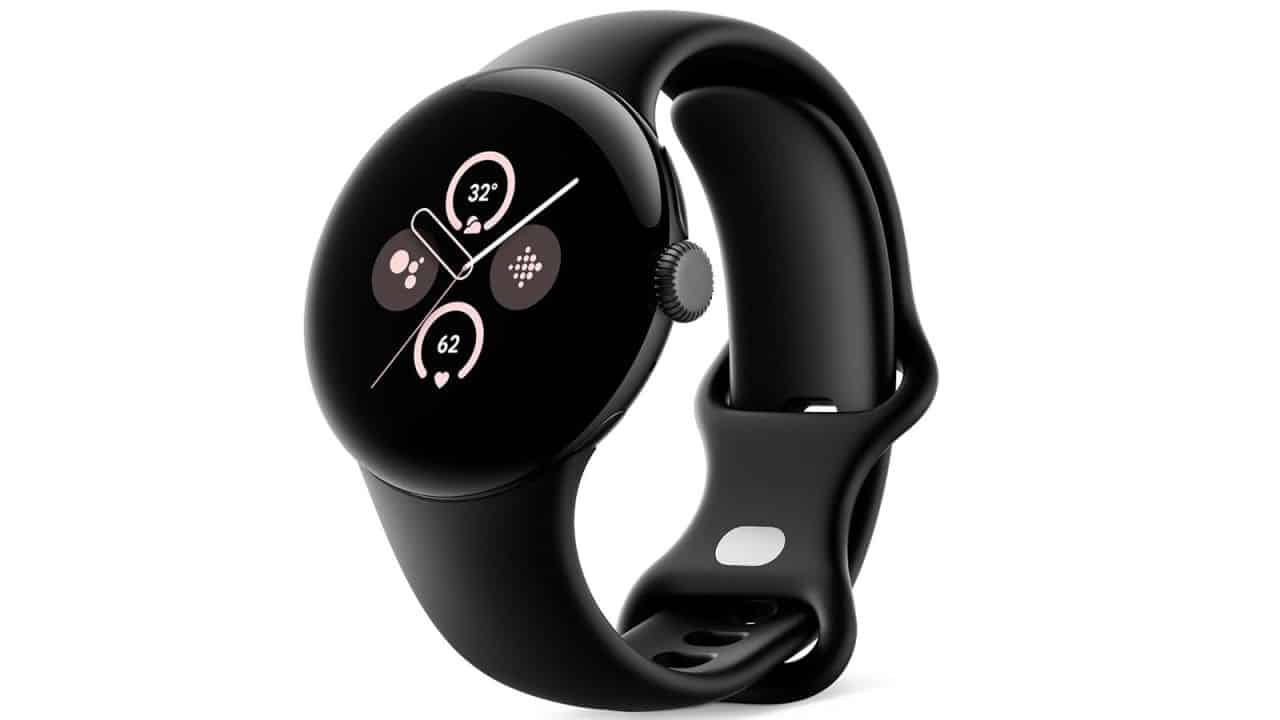
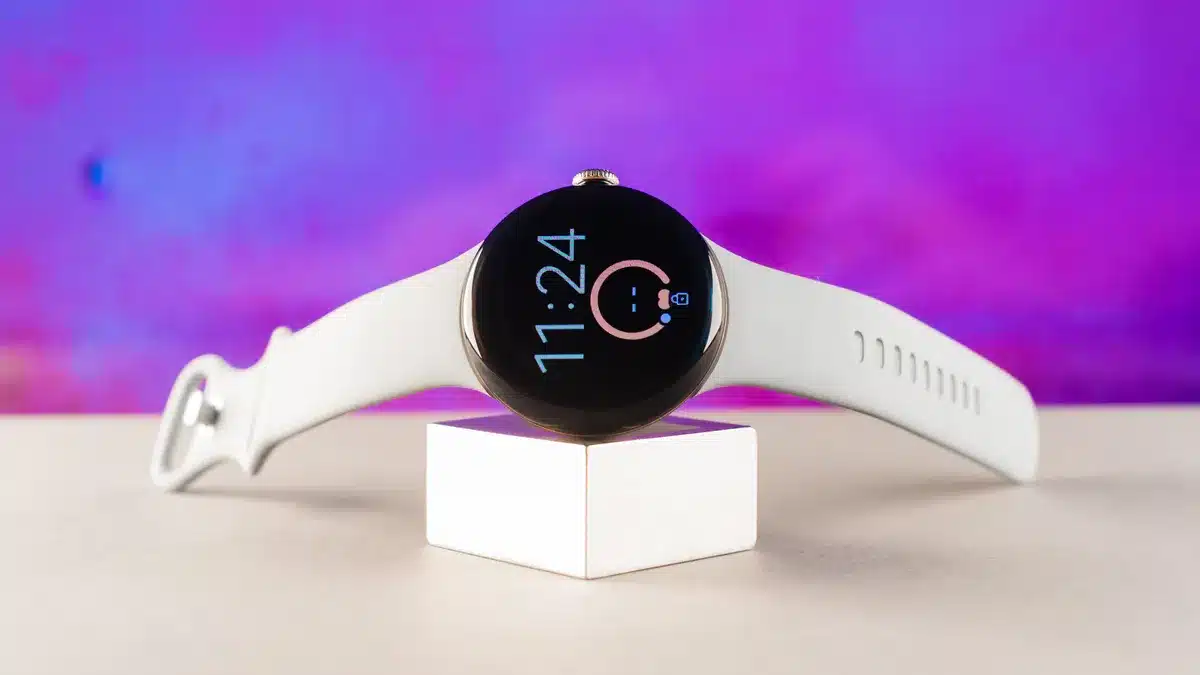
Prepare for a significant shift on your wrist. Google has officially confirmed that its advanced AI model, Gemini, is coming to Wear OS smartwatches later this year. This includes popular devices like the Samsung Galaxy Watch, promising a smarter, more capable voice assistant experience for millions of users.
The confirmation arrived directly from Google CEO Sundar Pichai during Alphabet’s first-quarter 2025 earnings call. Pichai stated the company plans to upgrade tablets, cars, headphones, and watches to Gemini “later this year.” This announcement solidifies previous speculation and code findings that hinted at Gemini’s expansion beyond smartphones.
For those who rely on their smartwatch for quick information, task management, and staying connected, this is big news. Google Assistant has been a staple of Wear OS since its inception, but the arrival of Gemini signals a powerful evolution in how wearers will interact with their devices. Think more natural conversations, potentially richer contextual understanding, and access to the growing capabilities of the Gemini ecosystem directly from your wrist.
While Google hasn’t laid out the full suite of features Gemini will bring to Wear OS, evidence found within the code of the Google Assistant app for Wear OS offers some clues. It appears Gemini will directly replace the existing Google Assistant. Users will likely activate the AI in familiar ways, such as holding down the side button on their watch or using the “Hey Google” hotword, provided they have that setting enabled.
Initial functionalities are expected to cover core voice assistant tasks users perform daily: setting alarms and timers, sending messages to contacts, and answering basic queries. However, the real excitement lies in the potential for Gemini to leverage its more advanced capabilities on the wearable platform. Could we see deeper integrations with other Google services like Gmail or Maps through conversational prompts? Will Gemini on Wear OS offer more personalized and proactive assistance based on your on-wrist activity and context? These are the questions sparking anticipation.
Samsung Galaxy Watch owners, in particular, have a lot to look forward to. As Galaxy Watches run on Wear OS, they are directly in line to receive this significant AI upgrade. Given Samsung’s close partnership with Google on Wear OS development and their own push into on-device AI with Galaxy AI on their smartphones, the integration of Gemini on Galaxy Watches feels like a natural and powerful progression. It could further enhance the appeal of these devices and provide a more unified AI experience across Samsung’s ecosystem.
The shift to Gemini on Wear OS is part of Google’s broader strategy to consolidate its AI efforts under the Gemini brand. Gemini has already begun replacing Google Assistant on many Android phones, and its expansion to other form factors was widely expected. This move aims to provide a more consistent and powerful AI experience across all of Google’s platforms and devices.
While the exact rollout date remains unspecified beyond “later this year,” industry observers widely anticipate that Google will share more concrete details and potentially showcase Gemini on Wear OS at the upcoming Google I/O 2025 conference in May. This annual developer event is Google’s prime venue for announcing major software updates and future plans.
The integration of a powerful large language model like Gemini onto the constrained environment of a smartwatch presents unique technical challenges, particularly concerning processing power and battery life. Google has been working on optimizing Gemini models for various devices, and the successful implementation on Wear OS will be a key test of these efforts. Wear OS 5, which was announced at Google I/O 2024 with a focus on battery life improvements, could provide a more efficient foundation for Gemini to run on.
For now, smartwatch users can anticipate a significant AI evolution heading their way. The confirmed arrival of Gemini on Wear OS, including the widely popular Galaxy Watch series, suggests a future where interacting with your watch feels more intuitive, intelligent, and helpful than ever before. Stay tuned for more details, likely emerging from Google I/O, that will paint a clearer picture of this exciting update.