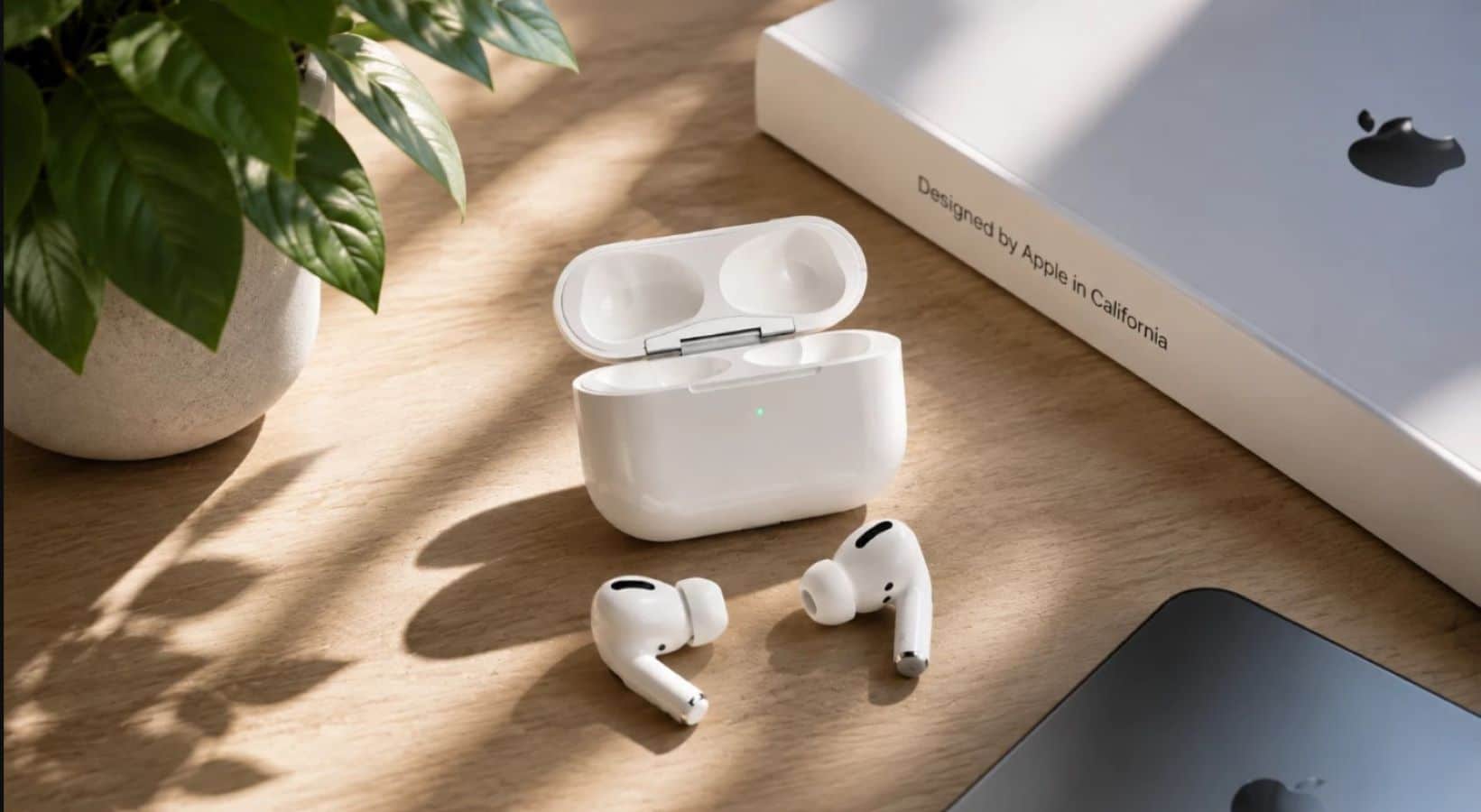
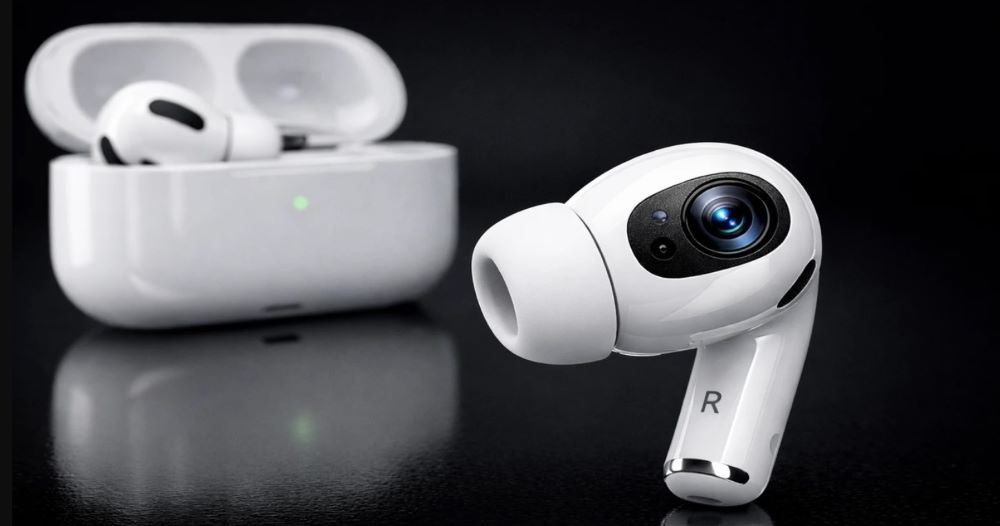
Apple is advancing its wearable audio hardware by integrating low-resolution optical cameras directly into the stems of its next-generation AirPods Pro. References and system tutorial assets discovered in the macOS Tahoe 26.7 developer firmware confirm that the Cupertino tech giant is preparing these miniature sensors to feed real-time environmental context into Siri and Apple Intelligence. Instead of operating like standard mobile phone cameras that capture high-resolution photos and videos, these infrared and optical units function as contextual sensors. They allow the audio accessory to identify surroundings, read text, identify landmarks, and answer questions through Siri without requiring users to take out their iPhones.
Key Takeaways
- Internal software assets in macOS Tahoe 26.7 reveal built-in camera sensors on upcoming AirPods hardware codenamed B790.
- The cameras collect visual context for Siri Visual Intelligence and do not record traditional photos or media files.
- Users can query Siri about storefronts, signboards, book covers, and physical items in their immediate field of view.
- The software includes wearability prompts that notify the user if hair or clothing blocks the camera lens.
- The hardware retains standard audio features like active noise cancellation while adding hands-free ambient computing.
Contextual AI and Hardware Design
The integrated camera modules fit into the stem design of the wireless earbuds without altering the familiar shape. Software assets reveal that Apple designed these sensors to work alongside Visual Intelligence, a machine learning system that evaluates physical items. In one confirmed interface demo, a wearer points a book toward the headset, allowing Siri to scan the title, process the image data, and store a bookmark for future reference.
Apple includes system safeguards to ensure proper positioning. If hair or an accessory obstructs the sensor’s line of sight, the connected device triggers a notification instructing the user to adjust the earbuds. The hardware processes visual inputs locally on-device and through paired iPhones, keeping latency low while managing power consumption.
Privacy and Practical Considerations
Wearable optical sensors present distinct privacy questions. Because these cameras focus strictly on object identification, scene interpretation, and navigation cues, Apple does not include photo albums, manual shutter controls, or video recording libraries for this hardware. Visual indicator lights will signal when the optical sensors actively process environmental surroundings, similar to the hardware indicator lights found on Mac computers.
For users in India and global markets, the addition of optical sensors offers hands-free real-time translation of street signs, instant currency calculations, and automated transit guidance without handling a handset.
Frequently Asked Questions
Q1. Can the cameras on AirPods Pro 4 take photos or record videos?
A1. No. The integrated cameras work purely as contextual sensors for Siri and Visual Intelligence. They do not capture, save, or export personal photographs or video clips.
Q2. How was the camera feature confirmed?
A2. Software references and tutorial demonstrations discovered inside the macOS Tahoe 26.7 release candidate confirmed the B790 hardware and its Visual Intelligence features.
Q3. Will the design of the AirPods change?
A3. The earbuds retain the standard form factor with subtle optical lens openings positioned along the outer stems.
Q4. What happens if hair covers the camera lens?
A4. Apple built an alert system that prompts users on their paired device when hair or clothing obstructs the camera view.