

The budget smartphone market in India is currently crowded with devices that try to look more expensive than they actually are. Pova recently launched the Pova Curve 2 5G to compete in the sub-35,000 segment. I have been using this device for the last 4 months, specifically testing the 8GB RAM and 256GB storage variant in the Storm Titanium color. This phone focuses heavily on design aesthetics, specifically the curved screen which used to be a premium feature. While many brands are moving back to flat edges for better grip, Pova bets that Indian buyers still want that sleek, “waterfall” look. My long-term testing involved daily commuting, indoor gaming, and outdoor photography to see if the internal hardware matches the fancy exterior over extended, real-world use.
Key Takeaways
- The 6.78-inch 3D Curved AMOLED display is the standout feature for media consumption.
- MediaTek Dimensity 7100 5G processor handles daily tasks well but struggles with heavy high-frame-rate gaming.
- The 8000mAh battery consistently lasts a full day even with the 144Hz refresh rate active.
- The 50MP main camera captures good detail in daylight but low-light performance is average.
- Build quality feels premium with the Storm Titanium finish despite the plastic frame.
- The software comes with some pre-installed apps that might require manual cleanup.
Design and Build Quality
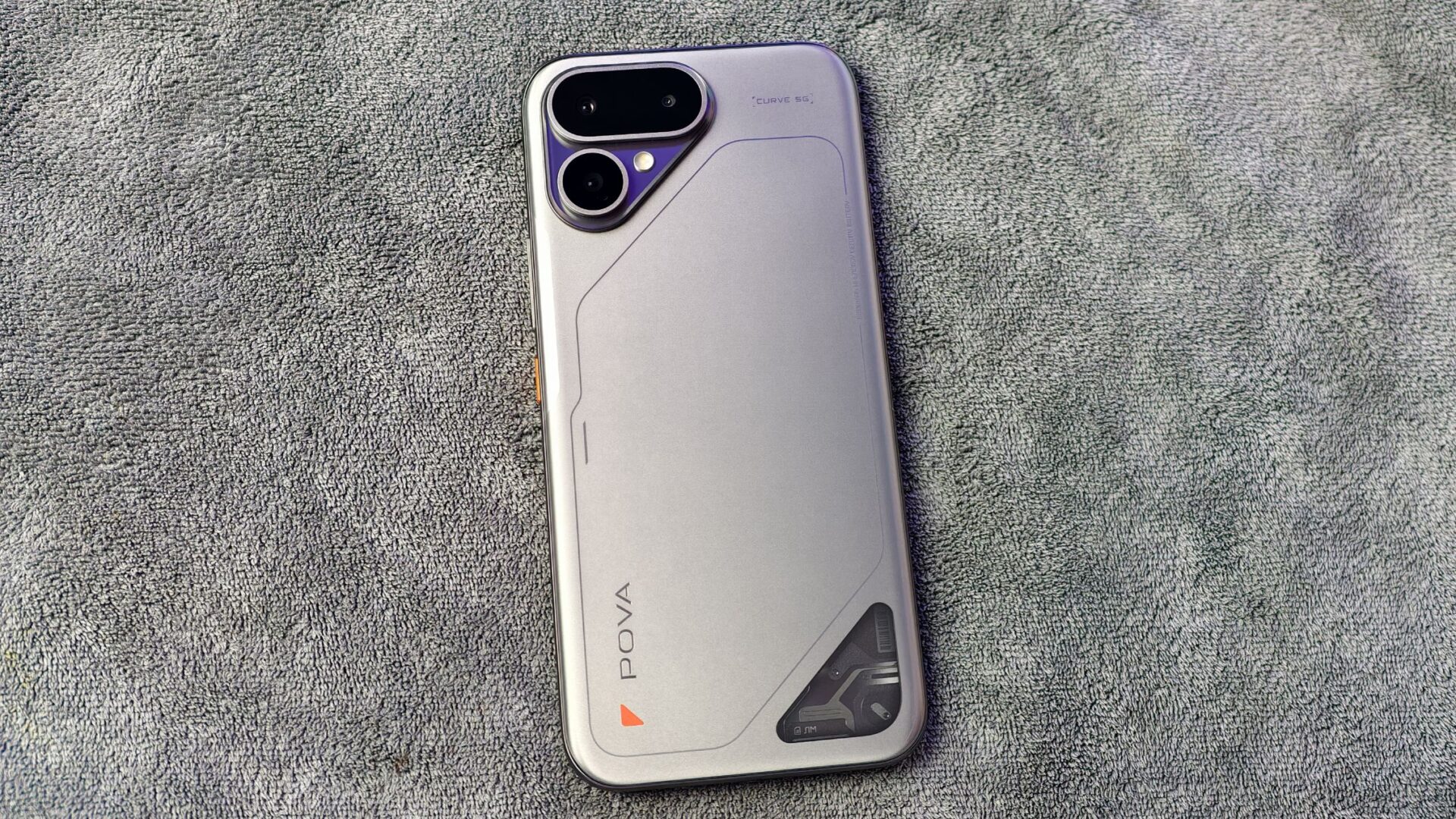
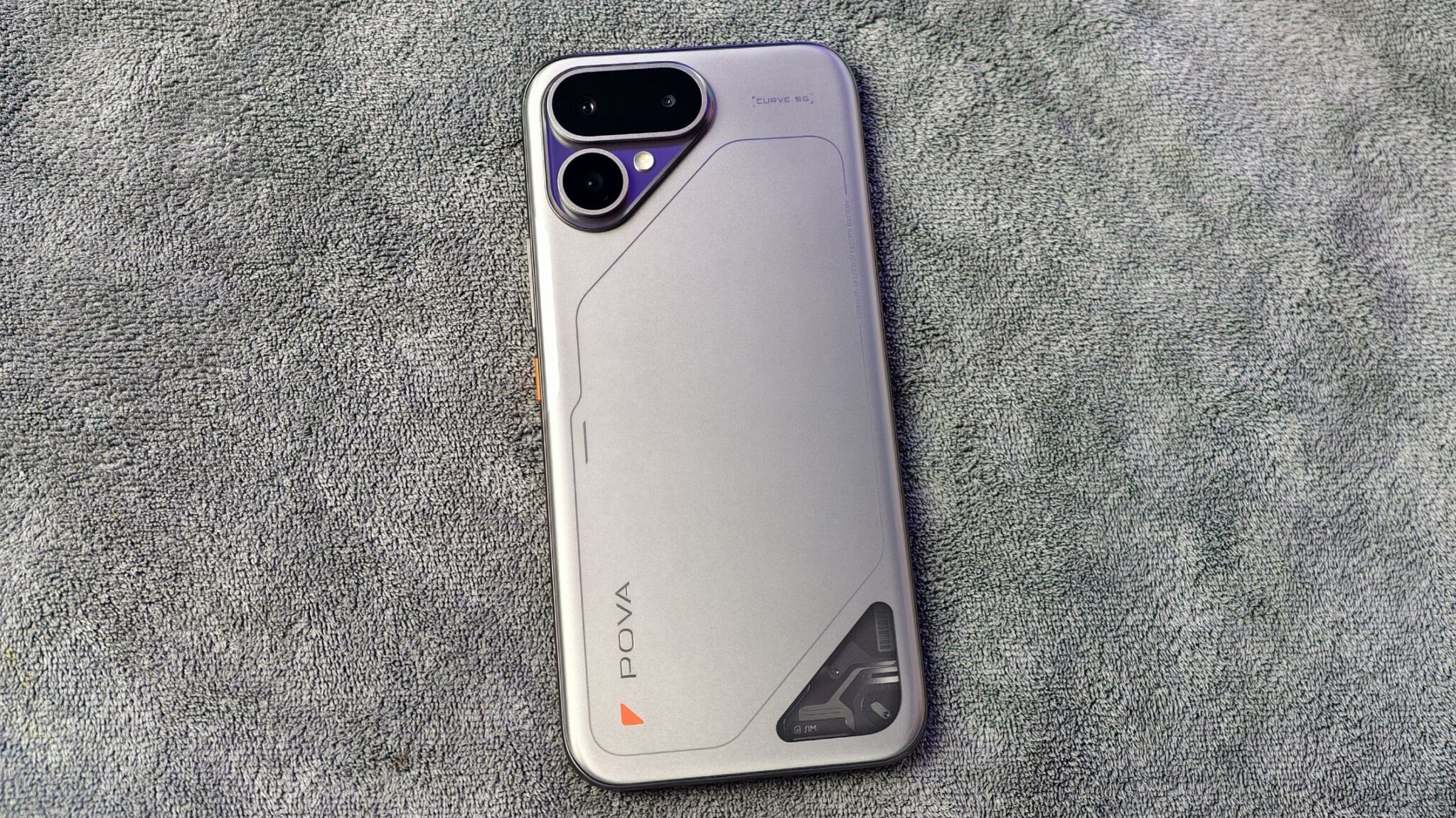
The first thing I noticed when unboxing the Storm Titanium unit was how thin it felt. The 3D curved glass on the front meets the curved back panel to create a very narrow side rail. This makes the phone easy to hold, though it can be a bit slippery without the provided case. The Storm Titanium color has a metallic sheen that looks professional. It does not attract fingerprints as easily as some glass-back phones I have used.
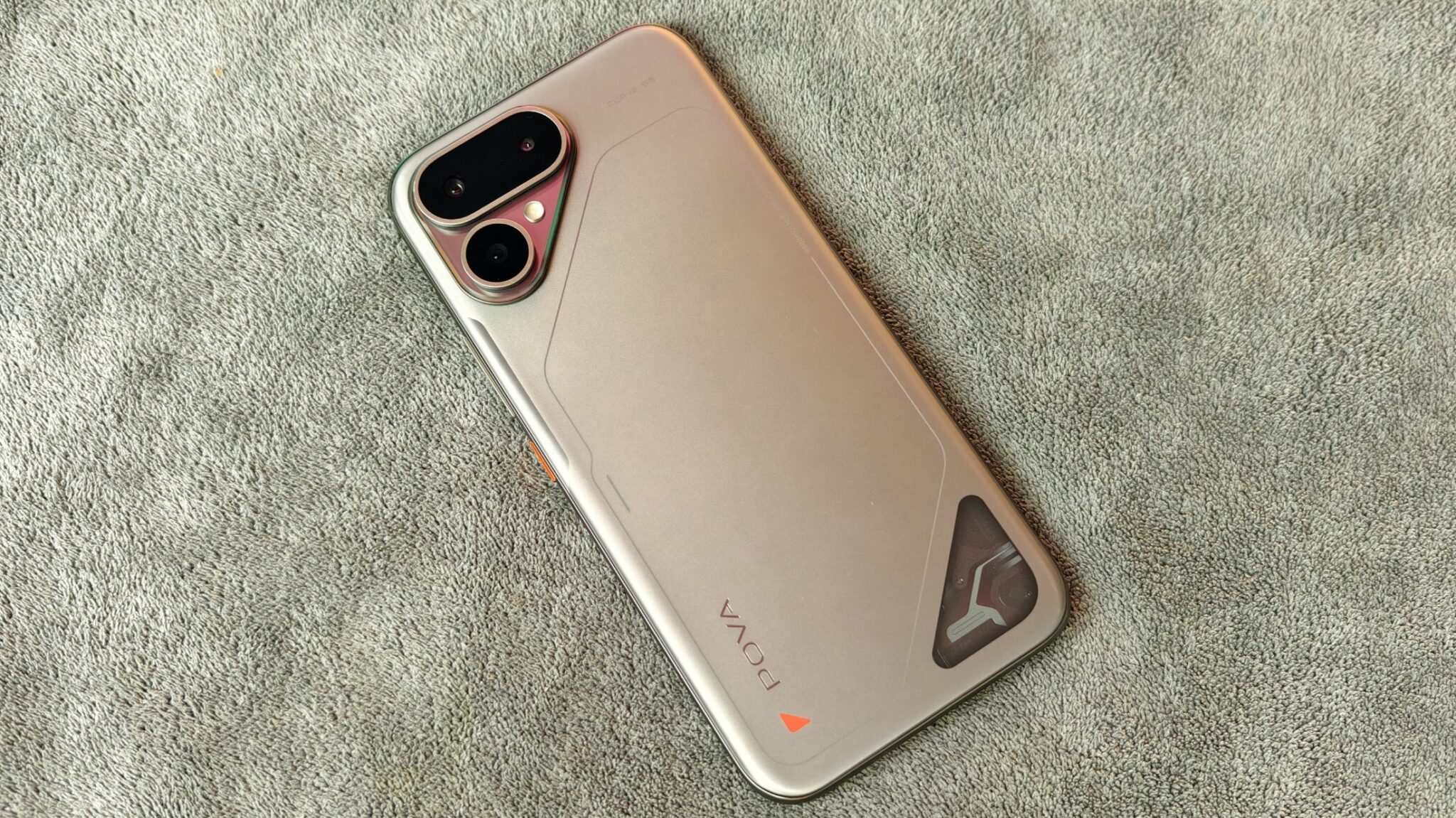
The camera module on the back is circular and takes up a good portion of the upper half. Some users might find this design choice a bit loud, but it follows the current trend of “watch-inspired” camera islands. I noticed the weight distribution is balanced. It does not feel top-heavy when you are typing with one hand. The buttons are located on the right side. They have a clicky feel and do not wobble.
Display Performance
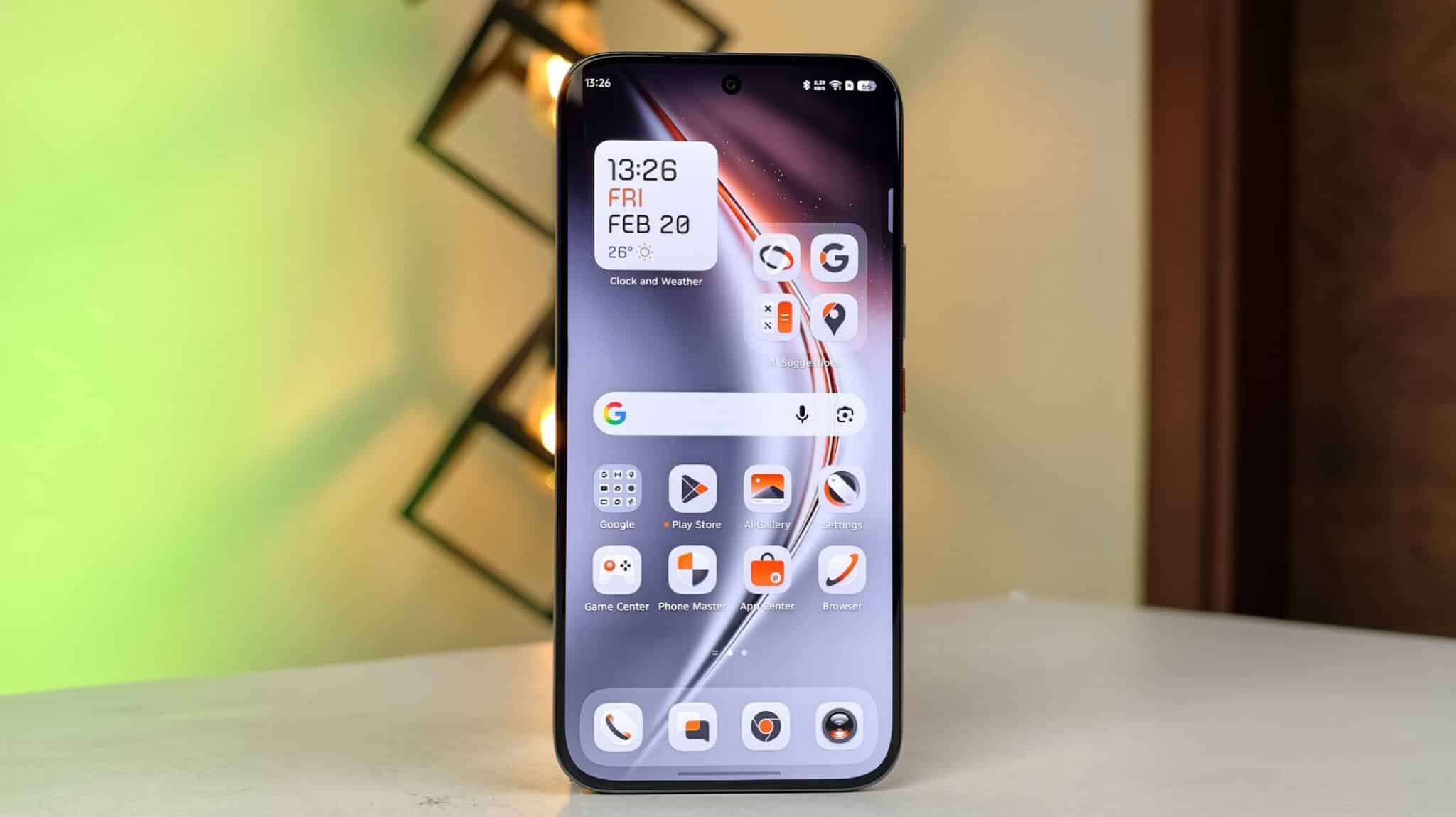
The 144Hz AMOLED panel is the primary reason someone would pick this over a flat-screen competitor. In my experience, the curves do not cause many accidental touches, which is a common complaint with this design. The software seems to have a decent palm rejection algorithm. I watched several episodes of a high-definition series on this screen. The blacks are deep and colors are punchy.
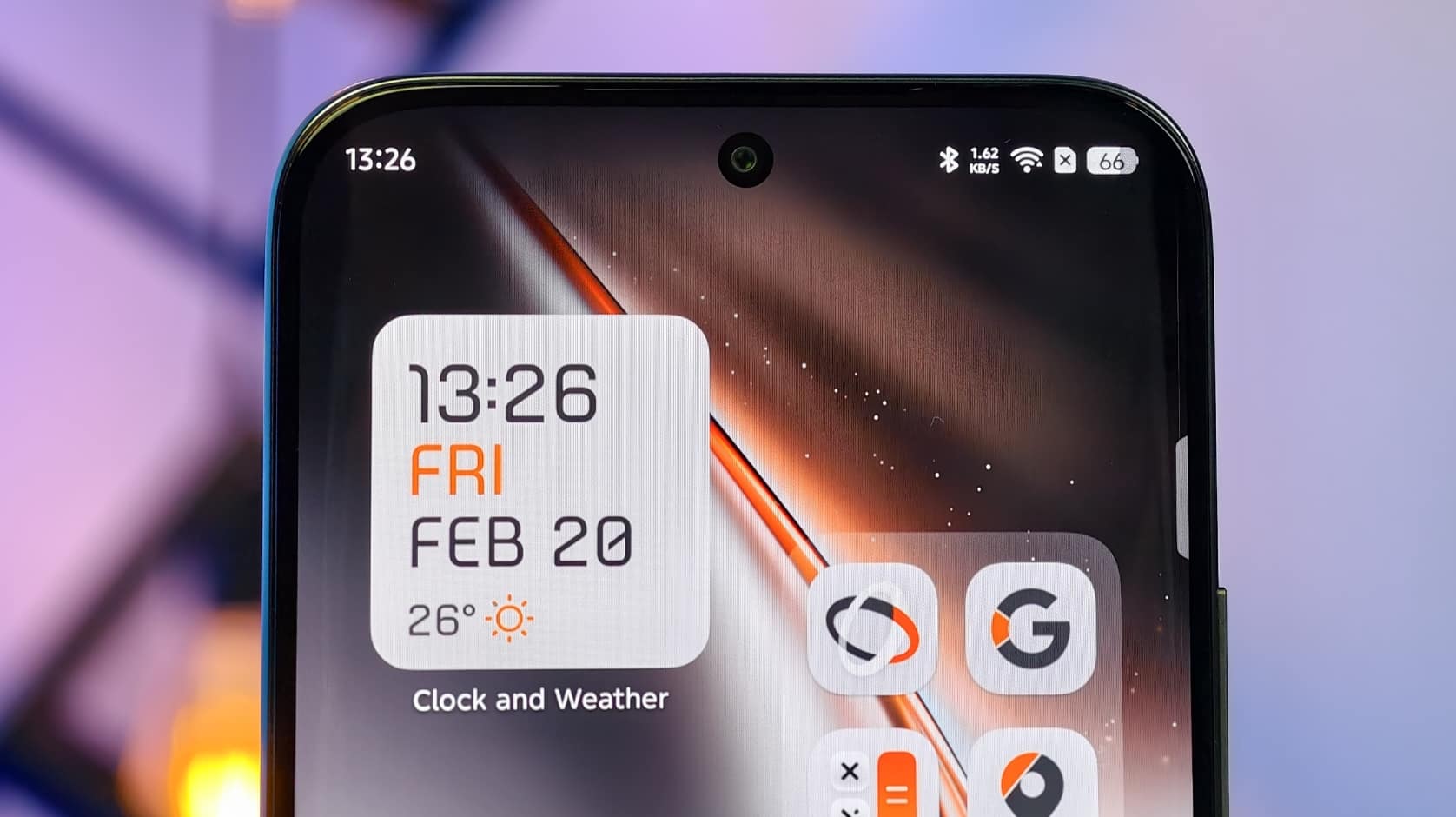
Brightness is rated at 4500 nits peak. While using the phone under the afternoon sun in Delhi, the text remained readable. It is not the brightest in the world, but it gets the job done for the price. The 144Hz refresh rate makes scrolling through Instagram and Twitter feel fluid. You can set it to auto-switch or lock it at 144Hz. I preferred locking it to 144Hz for a better experience, even if it drained the battery slightly faster.
Hardware and Performance
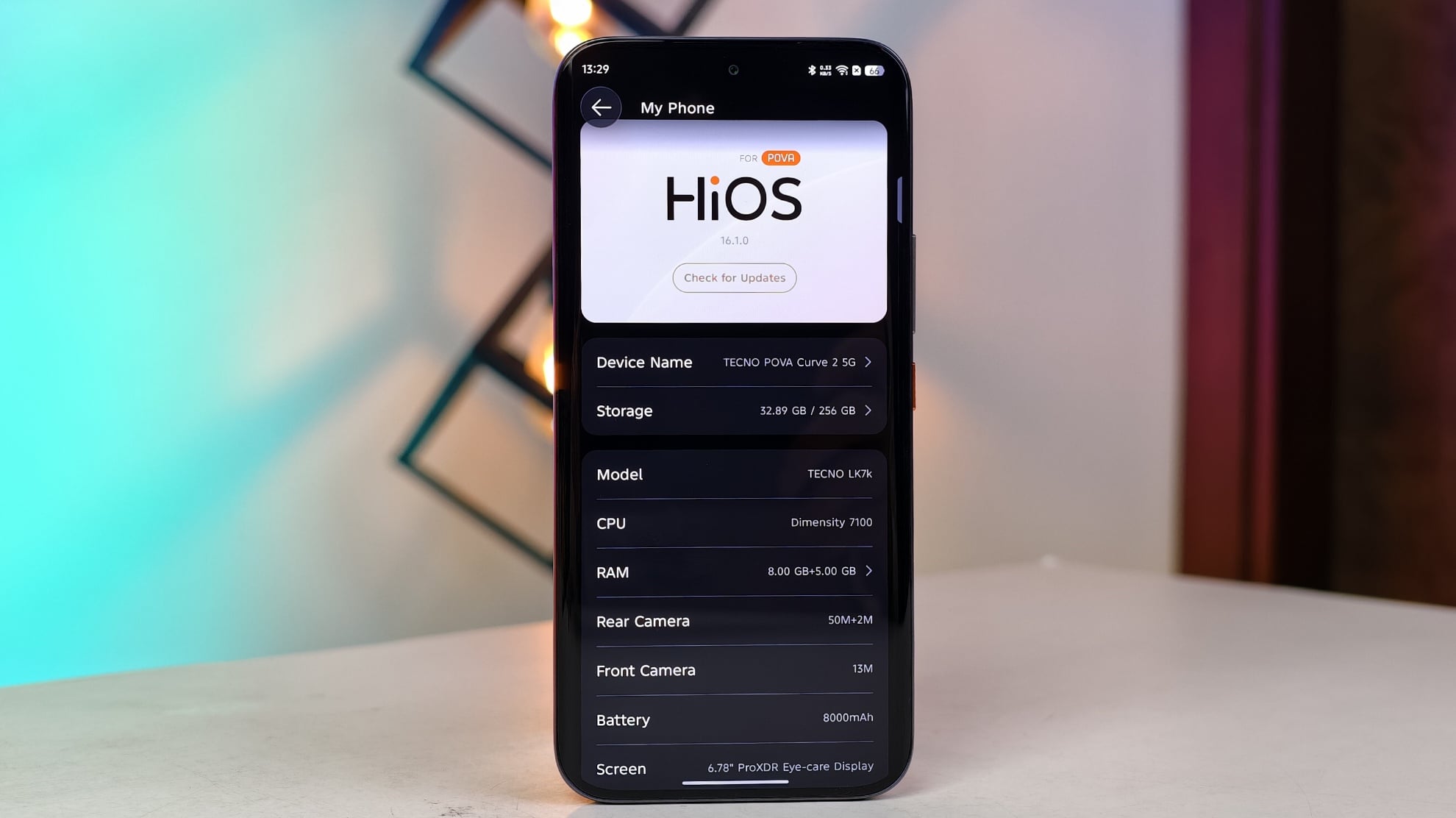
Under the hood sits the Mediatek Dimensity 7100 chipset. This is an octa-core processor built on a 6nm process. In my daily routine, which includes checking emails, playing music on Spotify, and heavy Chrome usage, the phone never lagged. Switching between apps was fast thanks to the 8GB RAM.
However, gamers should manage their expectations. I played Battlegrounds Mobile India (BGMI) and Call of Duty Mobile. At medium settings, the performance is stable. If you try to push the graphics to high or ultra, you will see frame drops after about 20 minutes of play. The phone gets warm near the camera module during these sessions. It is a capable performer for the average person, but hardcore mobile gamers might want something with a 7-series or 8-series chip.
Camera System Capabilities
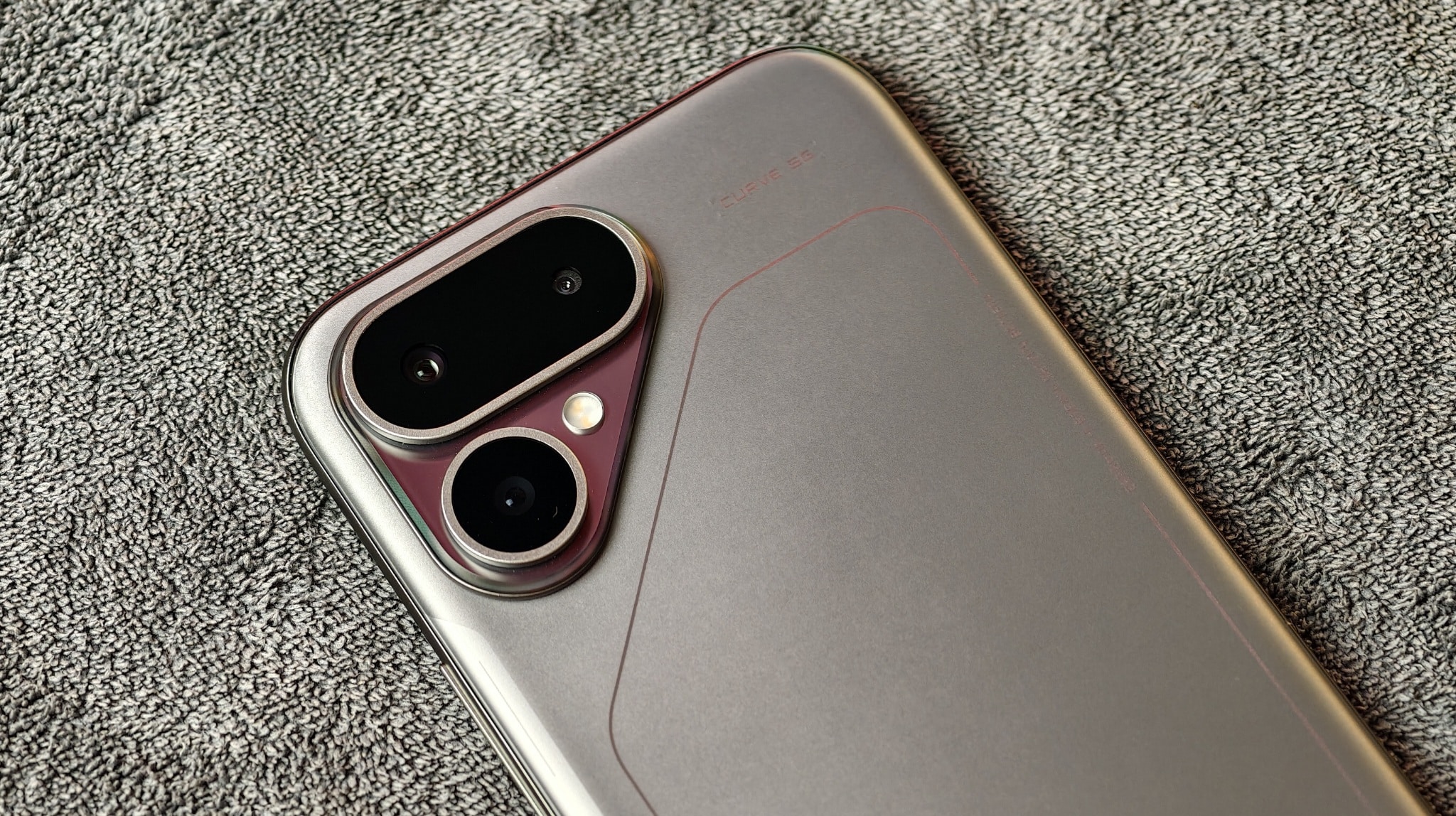
The rear setup features a 50MP primary sensor. In broad daylight, the photos come out sharp with good dynamic range. The sky colors look natural rather than overly saturated. I noticed the shutter speed is quick, which helps when taking photos of moving objects like pets.
The secondary lenses are less impressive. There is no dedicated ultra-wide lens, which I find disappointing in a phone costing nearly 30,000 rupees. Many competitors offer an 8MP ultra-wide at this price point. The macro and depth sensors are mostly there to fill up the camera circle.
Low light photography is where the Pova Curve 2 5G shows its limits. The night mode helps brighten the scene, but there is visible noise in the darker areas of the image. The 13MP selfie camera is adequate for video calls and social media posts. It has a dedicated front flash which is a classic Pova feature, helpful for late-night outings.
Battery Life and Charging
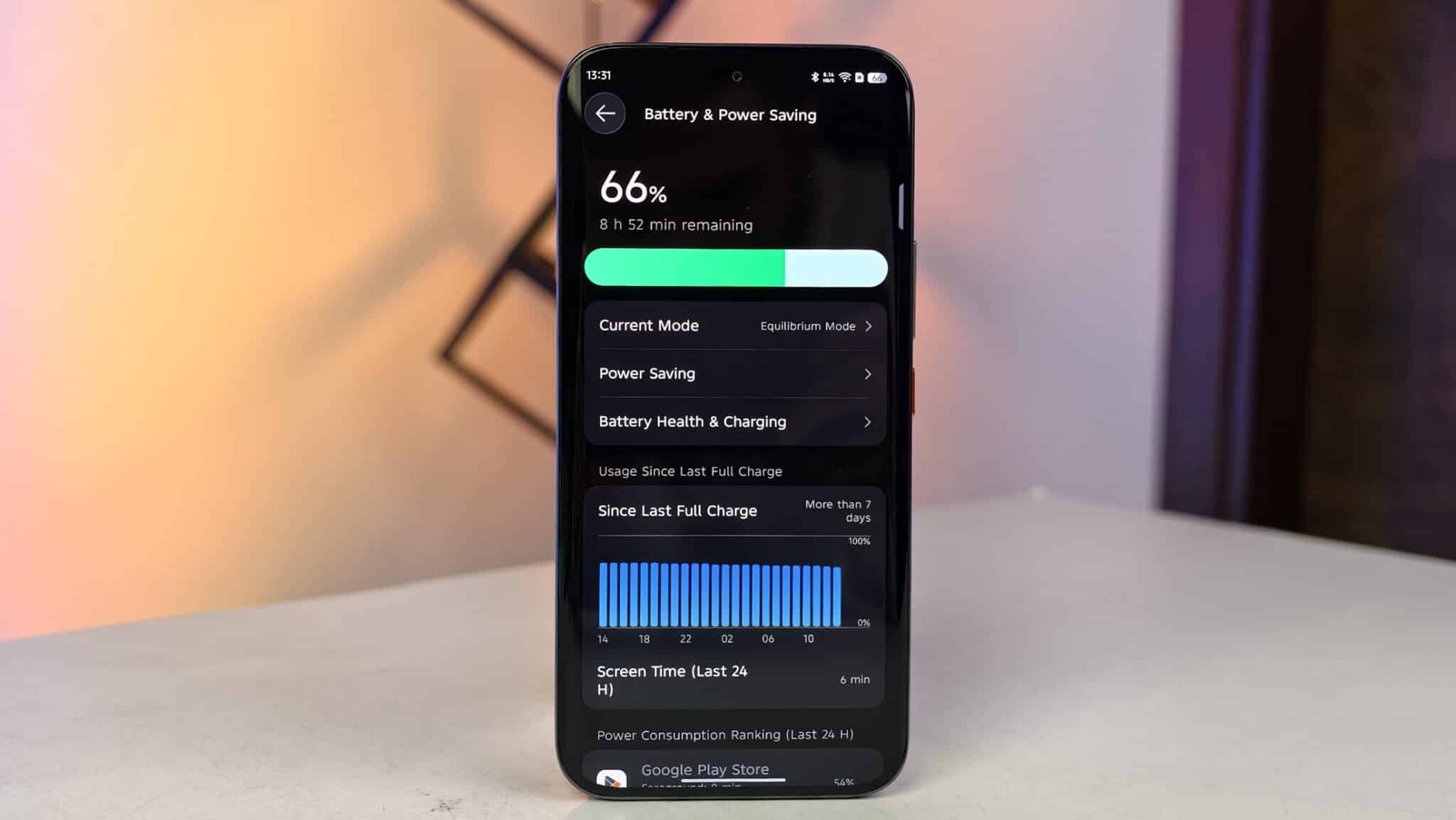
An 8000mAh battery is standard for this size, but the efficiency of the Dimensity 7100 helps it last. I usually finished my day with about 30 percent battery left. This included about 6 hours of screen-on time. If you are a light user, you could easily get two days of use.
The charging speed is 45W. In a world where some brands offer 67W or even 120W in this segment, 45W feels slow. If you are someone who forgets to charge at night and expects a quick 10-minute top-up in the morning to last all day, this might frustrate you.
Software and User Interface
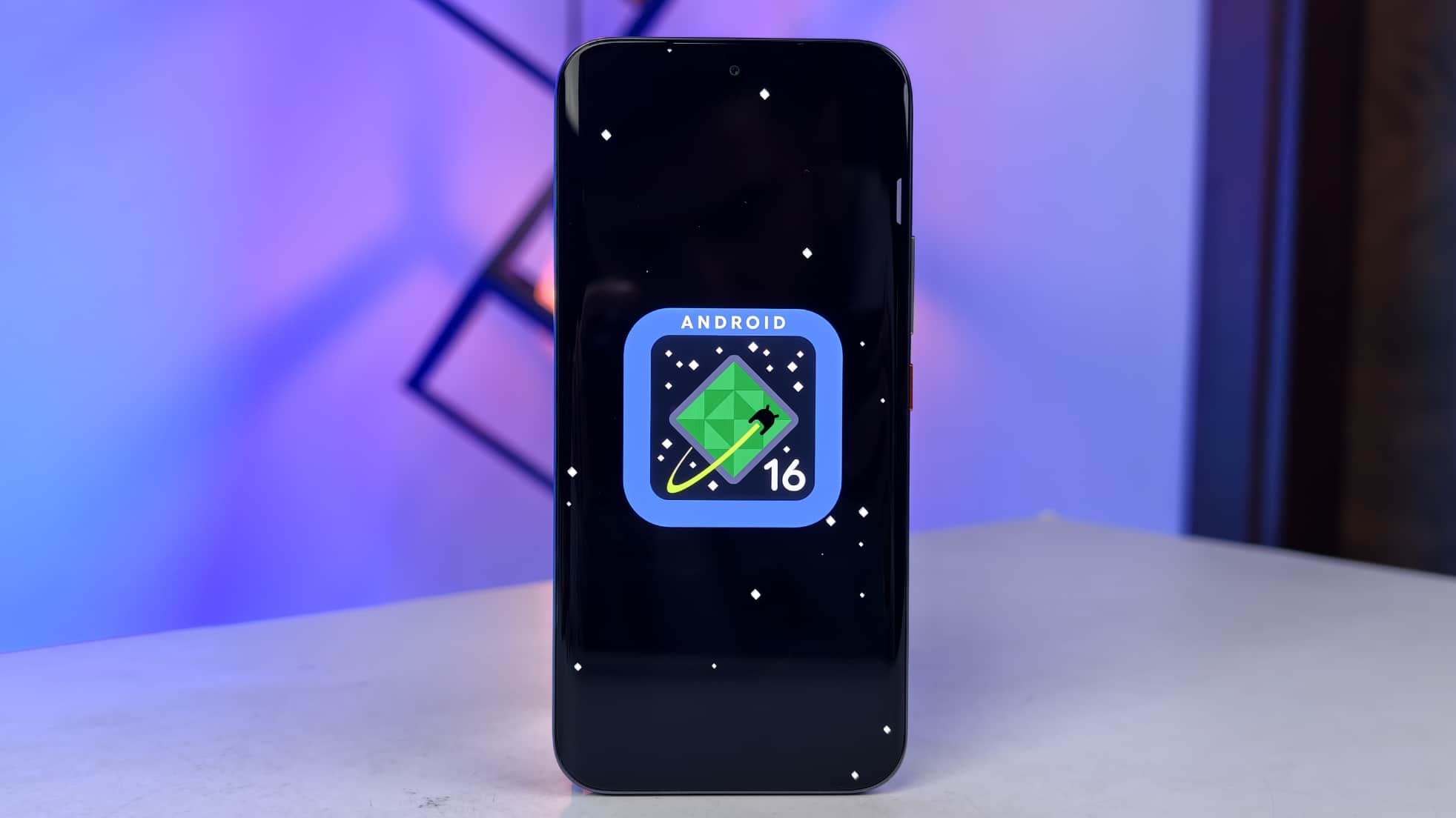
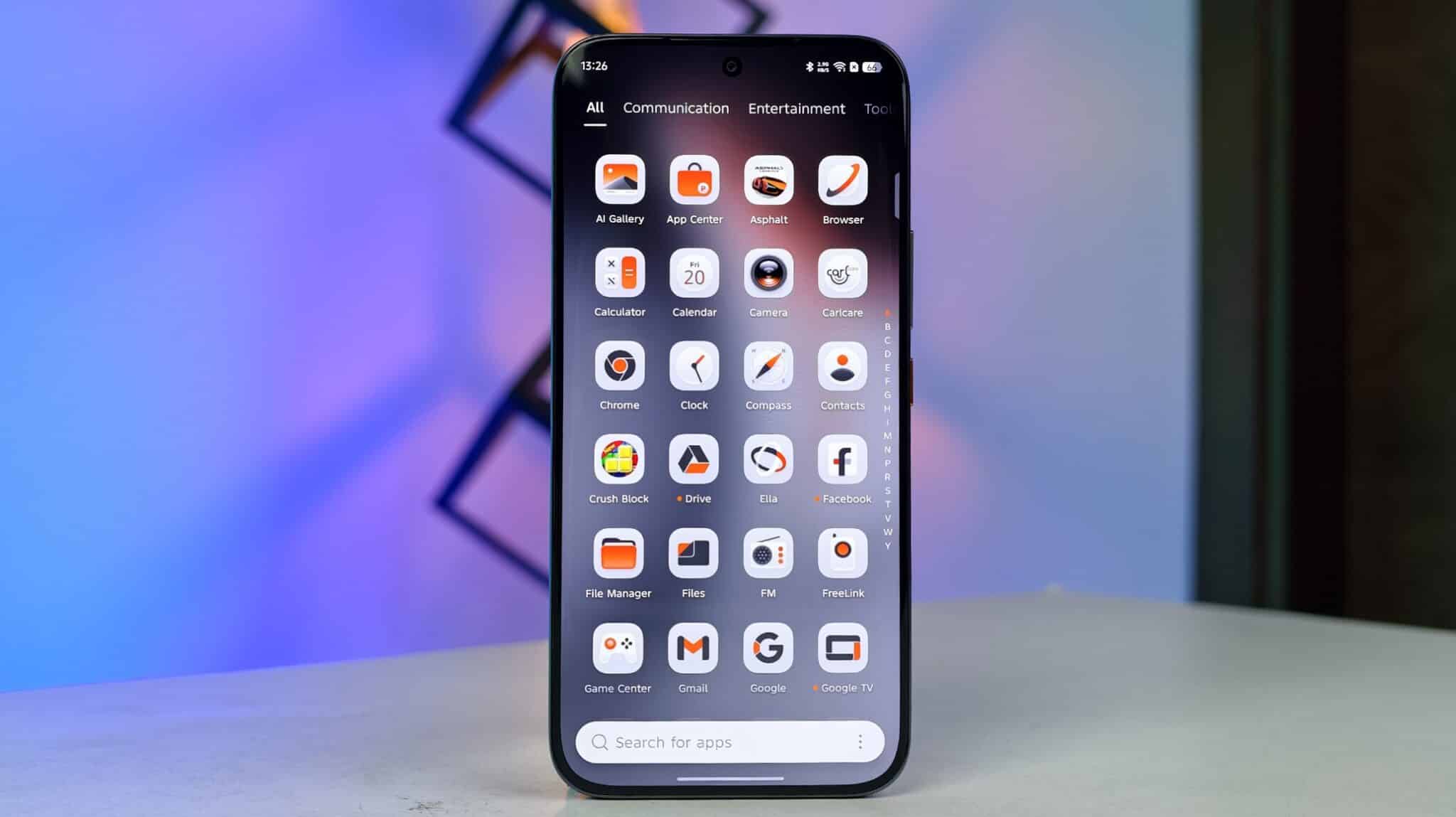
The device runs on HiOS based on Android. The interface is colorful and offers many customization options. You can change themes, icon shapes, and fonts easily. There are also useful features like a dedicated game mode and a sidebar for quick shortcuts.
One downside is the presence of bloatware. I spent the first 15 minutes of setup uninstalling or disabling apps that I did not need. The notifications from the native app store can be annoying, but you can turn them off in the settings. On the positive side, the software felt stable during my two-week test period. I did not encounter any random reboots or major bugs.
Audio and Connectivity
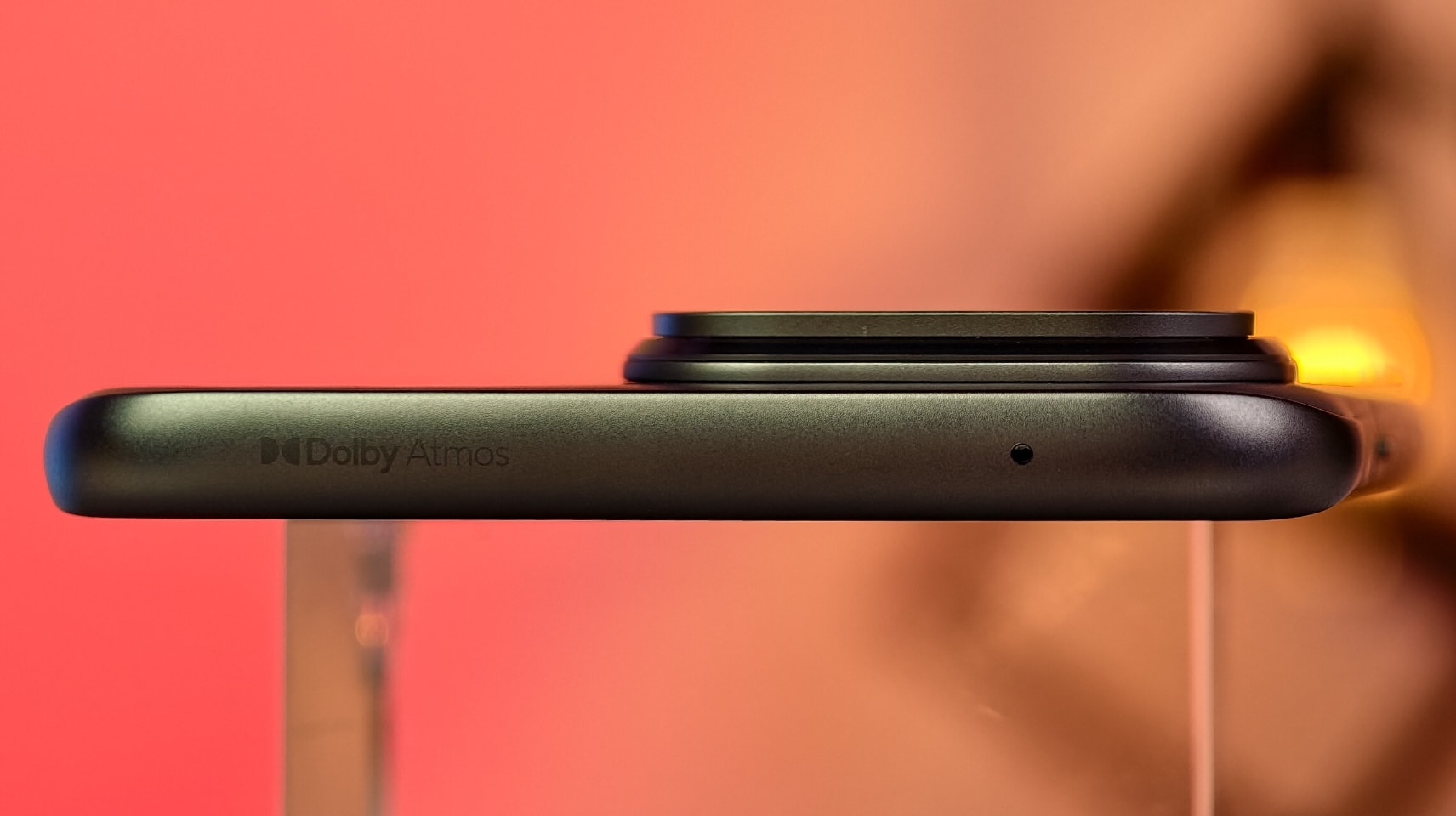
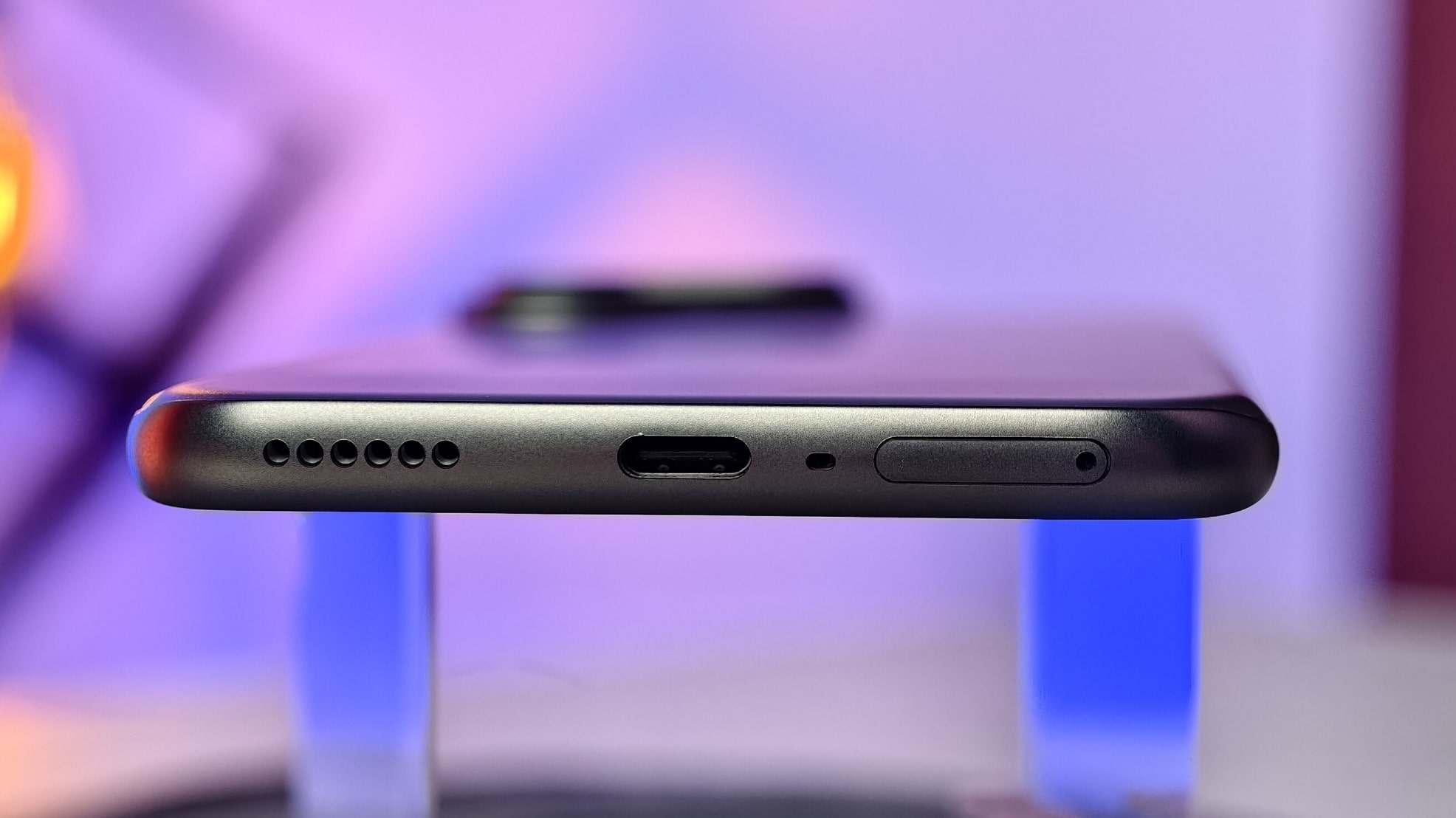
The dual stereo speakers are a nice addition. They support DTS audio and get surprisingly loud. The stereo separation is clear when watching movies in landscape mode. There is no 3.5mm headphone jack, so you will need a dongle or Bluetooth earphones.
Connectivity was solid throughout my use. The 5G reception on the Airtel network was consistent in most parts of the city. Call quality is clear, and the proximity sensor works as intended. I did not face any issues with Wi-Fi range or Bluetooth pairing with my TWS buds.
Key Product Specifications
- Display: 6.78-inch FHD+ 3D Curved AMOLED, 144Hz refresh rate, 4500 nits peak brightness.
- Processor: Mediatek Dimensity 7100.
- RAM: 8GB
- Storage: 128 GB/256GB.
- Rear Camera: 50MP Main sensor with f/1.88 aperture, secondary AI lens, and Dual Flash.
- Front Camera: 13MP Selfie camera with Dual Flash.
- Battery: 8000mAh capacity.
- Charging: 45W wired charging support.
- Audio: Dual Stereo Speakers with DTS support.
- Colors available: Storm Titanium, Melting Silver, Mystic Purple.
- Price: Rs. 29,999 (8/128GB), Rs. 31,999 (8/256GB).
Verdict
The Pova Curve 2 5G is a device built for a specific audience. If you value design and want a phone that looks like a flagship, the curved screen and slim profile will appeal to you. It is a great device for watching videos and general social media use. The battery life is reliable, and the main camera handles daylight shots with ease.
However, the competition in the 30,000 to 35,000 price bracket is fierce. There are other phones that offer faster processors and quicker charging speeds. The lack of an ultra-wide camera is also a hard pill to swallow at 33,999. If you are a student or a professional who wants a stylish phone for everyday use and does not care about heavy gaming, this is a solid choice. If you are looking for raw performance or the best camera versatility, you might find better value elsewhere.
FAQs
Q1: Does the Pova Curve 2 5G have a headphone jack?
A1: No, it does not have a 3.5mm headphone jack. You will need to use USB-C earphones or Bluetooth audio devices.
Q2: What is the difference between the Storm Titanium and Melting Silver variants?
A2: The difference is purely aesthetic. The Storm Titanium has a darker, metallic grey look, while Melting Silver is brighter and more reflective. The internal specifications remain the same for the 256GB models.
Q3: Is the screen protected by Gorilla Glass?
A3: Pova uses a toughened glass for the curved display, but they have not officially specified the version of Gorilla Glass. It is recommended to use the pre-applied screen protector.
Q4: Can I expand the storage with a microSD card?
A4: The device usually features a hybrid sim slot or a dedicated slot depending on the region, but for the 256GB variant, internal storage is generally sufficient for most users.