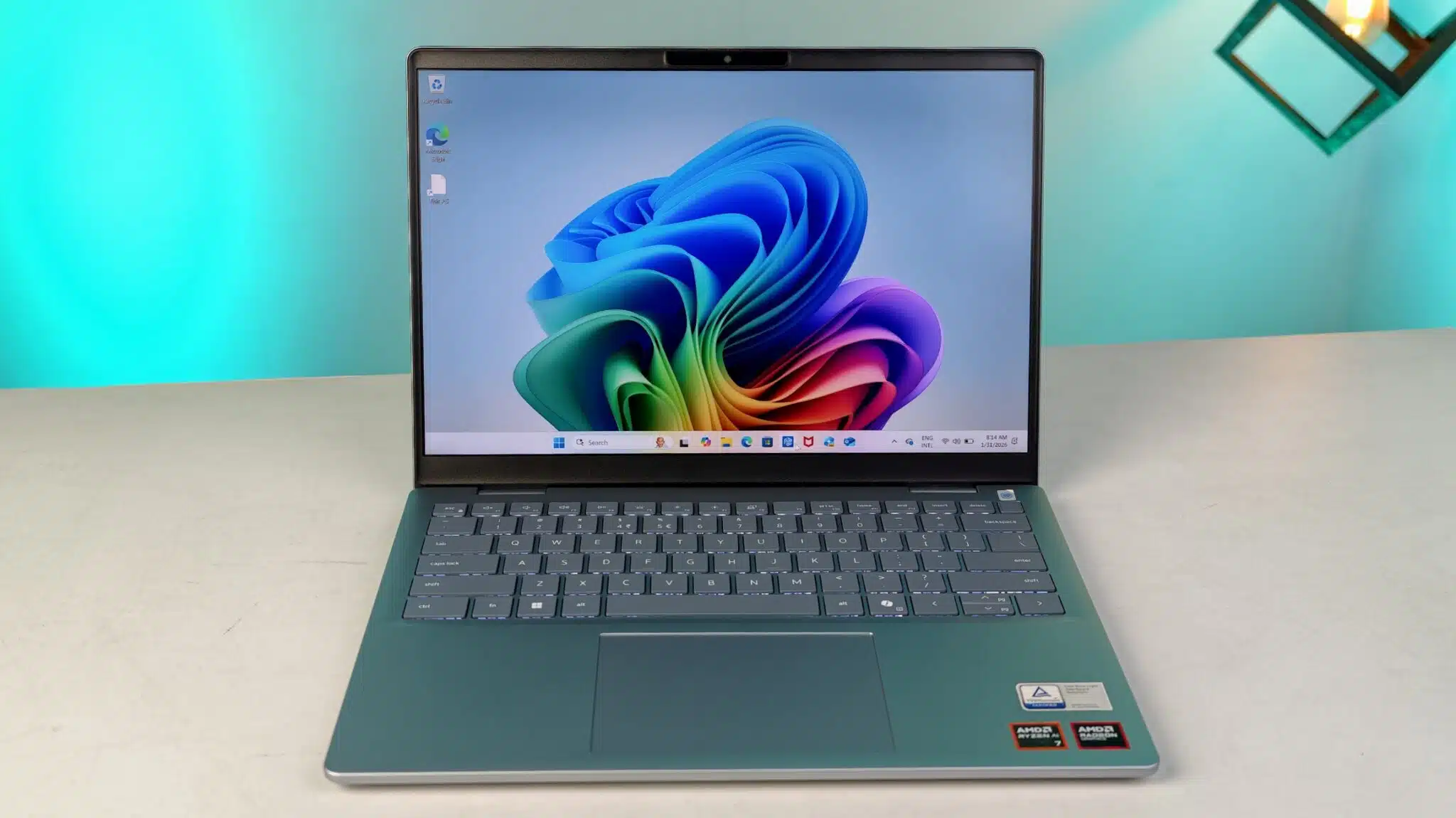


Did you know that the average laptop computer can last four to five years? If you’ve had yours for around that long and are in the market for a replacement, you’ll quickly see there are many models, brands, and configurations to ponder. It can be easy to get lost in the technobabble or confused by slick ads. Your new laptop will influence your workday routine, playtime if you’re into gaming, and life in general, so take some time and make an informed decision.
Whether you’re a student looking to upgrade your trade skills, a professional working from home, a gamer, or just a casual user, here are five key things to consider before buying your next laptop.
1. Purpose and Performance Needs
The first step is understanding exactly why you’re buying a new laptop and how you’ll use it. A laptop that’s perfect for browsing the web, checking emails, monitoring social media, and streaming videos might not be a good fit for video editing, gaming, or heavy data work. Few things will lead to buyer’s remorse more than getting the wrong laptop.
Casual Use: If you’re a casual user, a low-cost computer with a modest processor and 8 GB RAM should be enough. You won’t need much more, specs-wise, if all you’ll be doing is browsing the internet, emailing, and streaming.
Productivity and Office Work: Aim for a laptop with an Intel i5 or AMD Ryzen 5 processor, 16-24 GB RAM, and an SSD for faster bootup.
Creative Work or Gaming: You’ll need a more powerful CPU, at least 24-32 GB RAM, and a graphics processing unit.
It’ll be easier to choose if you consider your needs. You don’t want to get a laptop that doesn’t meet your needs, and you don’t want to pay more than needed to get one.
Operating System (OS)
The operating system is another important consideration. So, choose the most appropriate one based on your needs and working habits.
Windows: It’s highly versatile, can process tons of software, and is available on many laptops today. It’s ideal for multitasking, office tasks, and gaming.
macOS (Apple): It’s ideal for creative professionals and people already familiar with Apple.
ChromeOS (Chromebooks): It’s a relatively inexpensive and web-based operating system. It’s ideal for most of their web surfing and for convenience.
If you already have other devices like an iPhone, Android phone, or Windows laptop, consider how seamlessly your new computer will interact with them. If you already have an iPhone, for instance, you might want to get a computer with macOS.
Portability and Build
Laptops come in various sizes in the market, generally ranging from 11 to 17 inches. Build and size not only affect portability but also convenience and durability. When it comes to size, it’s often a matter of personal preference.
But getting one that’s too big or too small could, depending on what you primarily use your laptop for, have a negative impact on the user experience.
Battery Life and Charging Options
Factor battery life into the equation. If you tend to use your laptop on the go, battery life will be even more important when deciding what machine to purchase. It might make sense to buy an extra battery — just in case.
Keep in mind that battery life does degrade over time, so it’s always a good idea to start with a laptop that has excellent battery life.
Storage, Memory, and Upgradability
Storage and RAM have a direct impact on speed, multitasking, and the ability to save data on your laptop. Storage options include the following:
SSD (Solid-State Drive): It’s quicker and more responsive than hard disk drives, so it’s ideal for booting up fast and loading programs instantly.
HDD (Hard Disk Drive): It’s more cost-effective but slow and more prone to damage.
Depending on capacity, a laptop with 256 GB SSD is good for casual use, while one with 512 GB and above is good for pro and 1TB for hardcore gamers. When it’s time to buy a new laptop, write down your needs and desires. Check out online reviews, compare different models, and assess the various specs. Some pre-purchase research can help you choose the right laptop the first time around.